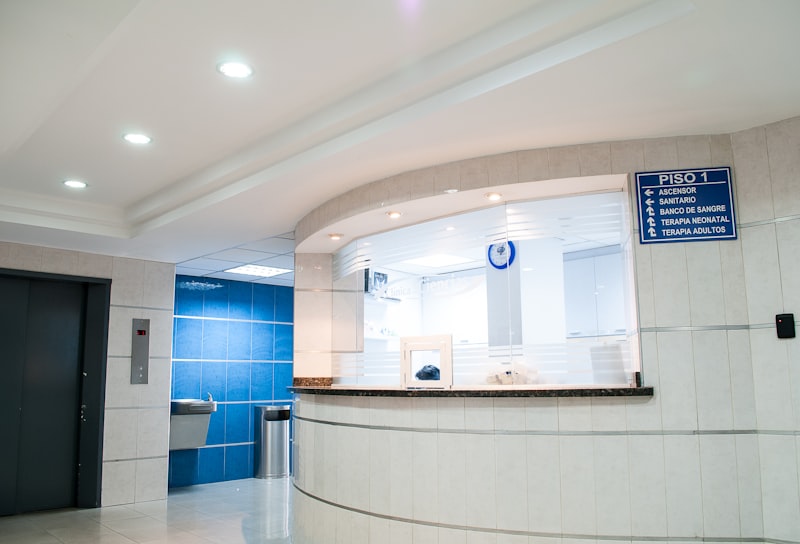
Joint replacement surgery is one of the most common major operations performed worldwide. In the United States alone, over 1.2 million hip and knee replacements are performed each year — a number projected to grow sharply as populations age. The procedure is life-changing: for patients with severe osteoarthritis, rheumatoid arthritis, or post-traumatic joint damage, a successful replacement eliminates chronic pain, restores mobility, and dramatically improves quality of life.
The obstacle is cost. A total knee replacement in the US averages $35,000 to $60,000. A hip replacement runs $30,000 to $55,000. Even with insurance, out-of-pocket costs can reach $10,000 to $20,000. For the uninsured or underinsured — and for the growing number of patients from countries with long surgical wait times — the financial burden or the months-long queue can mean living with debilitating pain far longer than necessary.
China has emerged as a serious option for international patients seeking high-quality joint replacement at a fraction of the Western price. The country's top orthopedic hospitals use the same implant systems (Zimmer Biomet, Stryker, Smith & Nephew, DePuy Synthes) as the best centers in the US and Europe, perform tens of thousands of procedures annually, and offer hospital stays and rehabilitation programs that most Western systems no longer provide.
Below you will find realistic cost comparisons, the hospitals and surgeons that lead the field, implant brand options, what the recovery process looks like, and how to navigate the logistics as an international patient.
For a broader overview of medical travel to China, start with our complete medical tourism guide. For visa logistics, see our China medical visa guide.
Cost Comparison: China vs. the World
The cost advantage for joint replacement in China is substantial and consistent. The following figures reflect 2025-2026 market pricing at top-tier hospitals (Grade 3A public hospitals and JCI-accredited private hospitals), including the implant, surgery, anesthesia, hospital stay (typically 5-7 days), and basic inpatient rehabilitation.
Total Knee Replacement
| Component | China | United States | United Kingdom (private) | Australia | Thailand | Turkey |
|---|---|---|---|---|---|---|
| Surgery + implant | $7,000–$13,000 | $30,000–$50,000 | $15,000–$22,000 | $18,000–$28,000 | $10,000–$16,000 | $8,000–$14,000 |
| Hospital stay (5-7 days) | Included | $5,000–$10,000 | Included | Included | Included | Included |
| Inpatient rehabilitation | Included (7-14 days) | Separate facility ($2,000–$5,000/week) | Limited | Limited | 3-5 days included | Limited |
| Total estimate | $7,000–$13,000 | $35,000–$60,000 | $15,000–$22,000 | $18,000–$28,000 | $10,000–$16,000 | $8,000–$14,000 |
Total Hip Replacement
| Component | China | United States | United Kingdom (private) | Australia | Thailand | Turkey |
|---|---|---|---|---|---|---|
| Surgery + implant | $8,000–$15,000 | $28,000–$45,000 | $14,000–$20,000 | $16,000–$26,000 | $12,000–$18,000 | $9,000–$15,000 |
| Hospital stay (5-7 days) | Included | $5,000–$10,000 | Included | Included | Included | Included |
| Inpatient rehabilitation | Included (7-14 days) | Separate facility | Limited | Limited | 3-5 days included | Limited |
| Total estimate | $8,000–$15,000 | $30,000–$55,000 | $14,000–$20,000 | $16,000–$26,000 | $12,000–$18,000 | $9,000–$15,000 |
Bilateral (Both Knees or Both Hips)
For patients needing both joints replaced, China's cost advantage compounds:
| Procedure | China | United States | Savings |
|---|---|---|---|
| Bilateral knee replacement | $12,000–$22,000 | $60,000–$100,000+ | $40,000–$80,000 |
| Bilateral hip replacement | $14,000–$26,000 | $55,000–$90,000+ | $35,000–$70,000 |
What drives the price difference? The implants themselves are the same global brands. The cost gap comes from lower hospital operating costs, lower surgeon fees (relative to Western markets, not relative to skill), shorter supply chains for implant distribution in Asia, and a healthcare system that includes extended hospital stays and rehabilitation as standard — not as separately billed add-ons.
Implant Brands: The Same Systems Used Worldwide
One of the most important facts for international patients to understand: the implant brands available at China's top orthopedic hospitals are identical to those used at the Mayo Clinic, Hospital for Special Surgery, or any other leading Western institution.
| Brand | Headquarters | Key Joint Replacement Products | Availability in China |
|---|---|---|---|
| Zimmer Biomet | USA | Persona knee system, Taperloc hip stem, Vivacit-E bearing | Widely available at top hospitals |
| Stryker | USA | Triathlon knee system, Accolade hip stem, Mako robotic system | Available at major centers; robotic-assisted surgery available |
| DePuy Synthes (J&J) | USA | Attune knee system, Pinnacle hip cup, Corail hip stem | Widely available |
| Smith & Nephew | UK | Journey II knee, Polar3 hip system, CORI robotic platform | Available at leading hospitals |
| Link | Germany | Gemini knee system, specialized revision implants | Available for complex and revision cases |
| MicroPort | China/Global | Evolution medial-pivot knee, Optimom hip system | Strong availability; competitive pricing with published clinical data |
Key considerations:
- Premium international brands (Zimmer Biomet, Stryker, DePuy, Smith & Nephew) are available at all major Chinese orthopedic hospitals. If you want the exact same implant your surgeon in New York would use, you can get it in Shanghai or Beijing — at a fraction of the price.
- MicroPort is a Shanghai-based company that has become a legitimate global player in orthopedics. Their implant designs incorporate features from acquired European technologies, and published clinical data shows outcomes comparable to established Western brands. MicroPort implants offer the strongest cost savings while maintaining evidence-based quality.
- Always confirm the exact implant brand and model in writing before surgery. As with dental implants, transparency about the implant system is a non-negotiable quality indicator.
Surgical Approaches and Technology
China's leading orthopedic centers have adopted the same advanced surgical techniques and technologies used at the world's best institutions.
Minimally Invasive Surgery (MIS)
Many top Chinese orthopedic surgeons perform joint replacement through smaller incisions (8-12 cm for knee, 8-10 cm for hip) compared with traditional approaches (15-20 cm). Benefits include:
- Less soft tissue damage
- Reduced blood loss
- Faster recovery and earlier mobilization
- Shorter hospital stay
- Less post-operative pain
Robotic-Assisted Surgery
Several leading Chinese hospitals now offer robotic-assisted joint replacement using systems like the Stryker Mako or domestically developed robotic platforms. Robotic assistance provides:
- Sub-millimeter precision in bone cuts and implant positioning
- Patient-specific planning based on pre-operative CT scans
- Real-time feedback during surgery to ensure optimal implant alignment
- Improved implant longevity — studies show better-aligned implants last longer
Robotic-assisted surgery typically adds $1,000-$3,000 to the procedure cost in China — compared with $5,000-$15,000 in the US.
Computer-Navigated Surgery
Where robotic systems are not available, computer navigation provides enhanced accuracy for implant positioning. This technology uses infrared tracking to guide bone cuts in real time, reducing the risk of malalignment — a leading cause of premature implant failure and revision surgery.
Patient-Specific Instrumentation (PSI)
Some hospitals offer custom-made cutting guides based on pre-operative MRI or CT imaging. These 3D-printed guides are designed specifically for your anatomy, improving the precision of bone preparation and implant fit.
Top Orthopedic Hospitals in China
Tier 1: National Leaders
These institutions are recognized as China's top orthopedic centers, with international-caliber surgery, research output, and the highest case volumes.
Chinese PLA General Hospital (301 Hospital), Beijing
- China's highest-ranked orthopedic department
- Pioneers in robotic-assisted and navigated joint replacement
- Annual joint replacement volume: 3,000+ procedures
- International patient services available
- Surgeons with fellowship training at leading US and European institutions
Peking University Third Hospital, Beijing
- One of China's strongest sports medicine and joint surgery departments
- Known for complex revision surgery and young-patient joint preservation
- Strong research program in implant biomechanics
- International patient coordination available
Shanghai Sixth People's Hospital (Shanghai Jiao Tong University), Shanghai
- One of the highest-volume orthopedic centers in eastern China
- Strong in both primary and revision joint replacement
- Advanced imaging and pre-operative planning
- Located in Shanghai with excellent international patient infrastructure
Chinese PLA Naval Medical Center (Changzheng Hospital), Shanghai
- Nationally recognized orthopedic department
- Expertise in complex cases including post-traumatic arthritis and revision surgery
- Robotic-assisted surgery available
Tier 2: Strong Regional Centers
West China Hospital (Sichuan University), Chengdu
- Western China's leading medical institution
- High-volume orthopedic department with strong clinical research
- Lower cost than Beijing/Shanghai with comparable quality
Nanjing Drum Tower Hospital, Nanjing
- Strong joint replacement department with robotic surgery capability
- Good international patient support
Guangdong Provincial People's Hospital, Guangzhou
- Southern China's leading orthopedic center
- Convenient for patients from Southeast Asia
Private / International Hospitals
For patients who prefer a private hospital experience with guaranteed English-language service:
- Shanghai United Family Hospital — JCI-accredited, Western-trained orthopedic surgeons, international insurance accepted
- Beijing United Family Hospital — same network, strong orthopedic department
- Parkway Health (Shanghai) — international standard facilities
Private hospital costs are typically 30-50% higher than public Grade 3A hospitals but remain 50-70% below US prices.
What Recovery Looks Like
One of China's most underappreciated advantages for joint replacement patients is the recovery model. Unlike the US, where patients are often discharged within 1-2 days and sent to a separate rehabilitation facility (at additional cost), Chinese hospitals typically include an extended stay with integrated rehabilitation.
In-Hospital Recovery Timeline
| Day | Milestone |
|---|---|
| Day 0 (surgery day) | Surgery completed; bed rest with pain management; ankle pump exercises begin |
| Day 1 | Assisted sitting and standing at bedside; continuous passive motion (CPM) machine for knee patients |
| Day 2-3 | Walking with walker or crutches; stair training begins; physical therapy 1-2x daily |
| Day 4-5 | Independent walking with assistive device; range of motion exercises intensified |
| Day 5-7 | Discharge assessment; most patients discharged with home exercise program |
| Day 7-14 | Optional extended rehabilitation stay available at the hospital or affiliated rehab center |
Rehabilitation Program
Chinese orthopedic hospitals typically provide:
- Daily physical therapy during the hospital stay (included in the surgical package)
- Written home exercise program with illustrated guides
- Follow-up appointments at 2 weeks, 6 weeks, 3 months, and 1 year post-surgery
- Telemedicine follow-up for international patients who cannot return for in-person visits
- Optional post-discharge rehabilitation at hospital-affiliated rehabilitation centers (typically $100-$200/day including accommodation, therapy, and meals)
Combining Joint Replacement with TCM Rehabilitation
A unique option available in China: integrating traditional Chinese medicine into your post-surgical recovery. Several major hospitals offer:
- Acupuncture for post-operative pain management — reducing reliance on opioid medications
- Tuina (therapeutic massage) — to reduce swelling, improve circulation, and accelerate soft tissue recovery
- Herbal medicine — formulations that support bone healing and reduce inflammation
- Tai Chi and Qigong — gentle movement programs for later-stage rehabilitation that improve balance, flexibility, and joint stability
This integrative approach is supported by clinical research at institutions like Longhua Hospital (Shanghai University of TCM) and Guangdong Provincial Hospital of TCM, where controlled studies have shown that TCM-integrated rehabilitation programs can improve range of motion recovery speed, reduce pain medication requirements, and improve patient-reported quality of life scores compared with standard rehabilitation alone.
For more on TCM approaches to pain management, see our TCM chronic pain management guide.
Who Is a Good Candidate for Joint Replacement in China?
Ideal Candidates
- Patients with confirmed need for joint replacement — diagnosed osteoarthritis (Kellgren-Lawrence grade 3-4), rheumatoid arthritis with joint destruction, or avascular necrosis
- Patients who have exhausted conservative treatment — physical therapy, injections, weight management, and activity modification have not provided adequate relief
- Patients who are medically fit for surgery — able to undergo general or spinal anesthesia safely
- Patients comfortable with 2-3 weeks abroad — including pre-operative assessment, surgery, and initial recovery
- Bilateral replacement candidates — patients needing both joints replaced can achieve significant savings and convenience by having staged bilateral surgery during a single trip
Cases That Require Special Consideration
- Revision surgery (replacing a failed previous implant) — more complex and should be performed at Tier 1 hospitals with specific revision surgery expertise
- Patients with significant comorbidities (severe cardiac disease, poorly controlled diabetes, BMI > 40) — require thorough pre-operative evaluation; top Chinese hospitals can handle complex medical cases, but transparent disclosure of medical history is essential
- Very young patients (under 55) — joint preservation surgery or partial replacement may be more appropriate than total replacement; discuss with your surgeon
The Patient Journey: Step by Step
Before You Travel
-
Initial consultation — Submit your medical records (X-rays or MRI, blood work, medication list) through OriEast for review by the orthopedic team. You will receive a preliminary assessment, treatment recommendation, and cost estimate within 3-5 business days.
-
Pre-operative preparation — Your medical team may request additional imaging or blood tests that can be done locally. They will provide guidance on medications to adjust before surgery (e.g., stopping blood thinners).
-
Travel planning — Plan for a minimum 14-day stay (3-5 days pre-operative assessment + surgery day + 7-10 days recovery). OriEast assists with hospital scheduling, accommodation near the hospital, and airport transfers.
During Your Stay
-
Pre-operative assessment (Day 1-2) — Comprehensive evaluation including physical examination, blood work, ECG, chest X-ray, and advanced joint imaging. The surgeon reviews your case and confirms the surgical plan and implant selection with you.
-
Surgery (Day 3) — Typically 1-2 hours under spinal or general anesthesia. Most hospitals offer a choice of implant brands based on your case and preferences.
-
Recovery (Day 3-10) — In-hospital rehabilitation as described above. Daily physical therapy, pain management, and progress monitoring.
-
Discharge and follow-up plan (Day 10-14) — Discharge when you meet mobility milestones. Your team provides a detailed follow-up plan, home exercise program, and medication instructions.
After You Return Home
-
Telemedicine follow-up — Scheduled video consultations with your surgical team at 2 weeks and 6 weeks post-surgery. Share wound photos and range-of-motion progress.
-
Local follow-up — Your home orthopedic doctor or physical therapist can monitor your ongoing recovery. OriEast provides complete surgical records and imaging for seamless continuity of care.
-
Long-term monitoring — Standard follow-up X-rays at 3 months, 1 year, and then every 2-5 years. These can be done locally and shared with your Chinese surgical team for review.
Frequently Asked Questions
How long do I need to stay in China for joint replacement?
Plan for a minimum of 14 days: 2-3 days for pre-operative assessment, 1 day for surgery, and 7-10 days for initial recovery and rehabilitation. Patients who want extended inpatient rehabilitation can stay 3-4 weeks. For bilateral replacement, plan for 3-4 weeks minimum.
Are the implants the same brands used in the US and Europe?
Yes. China's top orthopedic hospitals stock the same Zimmer Biomet, Stryker, DePuy Synthes, and Smith & Nephew implant systems used at the world's leading joint replacement centers. You can request a specific brand and model, and it should be confirmed in writing before surgery.
Is robotic-assisted surgery available in China?
Yes. Several leading hospitals in Beijing and Shanghai offer robotic-assisted joint replacement using the Stryker Mako system or equivalent platforms. The additional cost ($1,000-$3,000) is a fraction of the US premium ($5,000-$15,000).
Can I fly home after joint replacement?
Most patients can fly 10-14 days after surgery, once the surgical wound has healed sufficiently and you can walk with a cane or walking stick. Your surgical team will clear you for air travel. For long-haul flights, compression stockings and blood thinner medication are typically recommended to prevent deep vein thrombosis (DVT). Request an aisle seat for periodic walking.
What if I need a revision or have complications after returning home?
Complications requiring revision are rare (1-2% within the first year for primary joint replacement). If issues arise, your home orthopedic surgeon can manage most complications. Because the implant brands are globally standard, compatible parts are available worldwide. Your Chinese surgical team remains available via telemedicine for consultation, and OriEast can coordinate a return visit if needed.
Can I combine joint replacement with other medical treatment?
Yes. Many patients combine joint replacement with a comprehensive health checkup, dental work, or traditional Chinese medicine treatment. China's hospital-based model makes coordination between departments straightforward. See our health checkup guide or TCM chronic pain management guide for related services.
How does China compare to Thailand or Turkey for joint replacement?
All three countries offer significant savings over the US. China's advantages are: (1) the highest surgeon case volumes and academic medical center infrastructure; (2) extended inpatient rehabilitation included in the surgical package; (3) the option to integrate TCM rehabilitation; and (4) access to robotic-assisted surgery at a lower premium. Thailand offers strong hospitals in Bangkok with good international patient services. Turkey offers competitive pricing but with less standardized orthopedic tourism infrastructure compared with its well-developed dental tourism sector.
Do I need a visa for medical treatment in China?
Most patients use an M visa (business/medical) or, for shorter stays, may qualify for China's 144-hour transit visa exemption at major ports of entry including Shanghai, Beijing, and Guangzhou. Our China medical visa guide covers all the options and required documentation.
What about post-operative pain management?
Chinese orthopedic hospitals use multimodal pain management protocols similar to Western standards: regional nerve blocks, patient-controlled analgesia, and oral pain medications. A unique advantage is the option to incorporate acupuncture for pain management, which clinical studies show can reduce opioid consumption by 30-50% after joint replacement surgery while maintaining equivalent pain relief. For more on this approach, see our acupuncture for back pain guide and TCM chronic pain management guide.