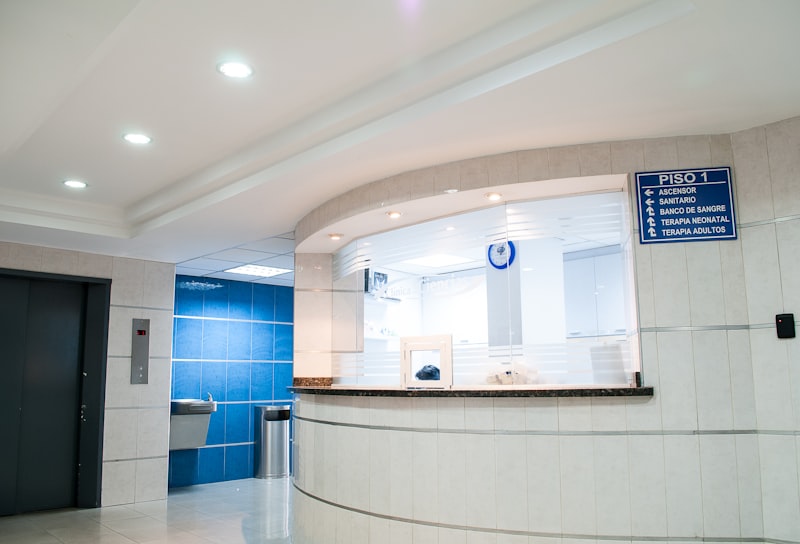
Shanghai is home to more JCI-accredited hospitals than any other city in mainland China. It has the country's highest concentration of Grade 3A teaching hospitals, the most active international medical departments, and a healthcare infrastructure that has been shaped — since the city's opening in the 1840s — by sustained contact with Western medicine. For international patients, this translates into genuine options: private hospitals staffed by multilingual physicians, public institutions where world-leading specialists see patients for a fraction of what they would charge elsewhere, and specialized centers offering treatments available at only a handful of facilities globally.
But options also mean complexity. Shanghai's hospital landscape is layered in ways that can confuse newcomers. The best hospital for a routine health checkup is not the best hospital for leukemia treatment. The most comfortable facility is not necessarily the one with the strongest clinical outcomes. And the hospital with the friendliest English-speaking staff may not be the one your condition requires.
This guide breaks down Shanghai's top hospitals for foreign patients — organized by type, specialty, and practical considerations — so you can make an informed decision. For broader context on healthcare travel in China, see our complete medical tourism guide.
How China's Hospital System Works: A Quick Primer
Before diving into specific hospitals, it helps to understand how China classifies its medical institutions. The system is hierarchical, and the classifications directly affect the quality of care you can expect.
The Three-Tier System
Chinese hospitals are graded on a scale from Tier 1 (community clinics) to Tier 3 (large, comprehensive medical centers). Each tier is further divided into grades A, B, and C. A "Grade 3A" hospital (san jia in Mandarin) represents the highest classification — these are major teaching hospitals affiliated with top universities, equipped with advanced technology, and staffed by specialists who are often national leaders in their fields.
There are approximately 1,700 Grade 3A hospitals across China. Shanghai has over 30 of them, including several that consistently rank among the country's top 10 in national hospital rankings published by Fudan University's Hospital Management Institute.
Public vs. Private Hospitals
Public hospitals form the backbone of China's healthcare system. They are government-funded, university-affiliated, and operate at enormous scale. Huashan Hospital, for instance, handles over 6 million outpatient visits annually. The advantages are clear: access to China's top-ranked specialists, cutting-edge equipment funded by government and research budgets, and treatment costs that remain remarkably low by international standards. The trade-offs are equally real: crowded general departments, limited English proficiency outside of designated international wings, and a patient experience that prioritizes clinical efficiency over comfort.
Private international hospitals fill the gap. Facilities like Shanghai United Family Hospital and Jiahui International Hospital offer Western-style patient experiences — private rooms, multilingual staff, short wait times, direct insurance billing — at prices that are higher than public hospitals but still well below comparable care in the US, Europe, or Japan. The trade-off: these hospitals are generally not where you go for complex surgical cases or rare diseases. Their strength is primary care, preventive medicine, maternity, pediatrics, and routine specialist consultations.
International Medical Departments
Many of Shanghai's top public hospitals operate dedicated international medical departments or VIP/special-needs wings. These sit in a useful middle ground: you get access to the same specialists and equipment as the general hospital, but in a quieter environment with English-speaking coordinators, private consultation rooms, and dedicated nursing staff. Costs are higher than the general department (typically 2-5x) but remain far below private hospital rates for equivalent specialist expertise.
Private and International Hospitals
These hospitals are built around the expatriate and international patient experience. They prioritize accessibility, language services, and comfort. Best for: primary care, family medicine, maternity, pediatrics, routine specialist visits, and health checkups.
Shanghai United Family Hospital
Founded: 2004 | Beds: 200 | Type: Private | Accreditation: JCI (5 consecutive certifications)
Shanghai United Family Hospital is the standard-bearer for private international healthcare in Shanghai. Located on Pingtang Road in Changning District, the hospital was built from the ground up to JCI standards and has maintained its accreditation through five consecutive certification cycles — a distinction that reflects genuine, sustained commitment to international quality protocols.
What sets it apart:
- An international medical team drawn from over 20 countries, with more than 200 doctors and 300 nurses providing bilingual Chinese-English services across 22 primary departments
- In 2024, the Mayo Clinic — widely regarded as the world's leading hospital — established its first office in China and second in Asia at Shanghai United Family, signaling a level of institutional trust that is rare for private hospitals in China
- Direct billing agreements with over 40 international insurance companies, including Cigna, Bupa, Allianz, and Aetna
- 24/7 emergency services including Shanghai's first 24-hour private pediatric emergency department
- A 90% minimally invasive surgery rate in the gynecology department
Key specialties: Obstetrics and gynecology (flagship department), pediatrics, orthopedics and sports medicine, dermatology, dental, ophthalmology, family medicine
Typical costs: Consultations 500-1,600 CNY; delivery packages 69,000-90,000 CNY; hospitalization approximately 7,000 CNY/day
Best for: Expatriate families, maternity care, pediatrics, routine and preventive care, patients who prioritize comfort and English-language service
Who should look elsewhere: Patients with complex conditions requiring specialized surgical expertise — for cancer, neurosurgery, or rare diseases, Shanghai's Grade 3A hospitals offer deeper specialist benches
For detailed information, see the Shanghai United Family Hospital profile.
Jiahui International Hospital
Founded: 2017 | Beds: 500 | Type: Private | Accreditation: JCI
Jiahui International Hospital is Shanghai's largest private hospital by bed count and the city's only purely international-capital hospital. Located on Guiping Road in Xuhui District, it was purpose-built to international standards with a long-term strategic partnership with Massachusetts General Hospital (MGH) — consistently ranked among the top five hospitals in the United States.
What sets it apart:
- The MGH affiliation is not merely branding. It shapes clinical protocols, quality management, and physician training. Complex oncology cases benefit from a multidisciplinary tumor board (MDT) approach modeled on MGH's methodology
- Pricing is notably more accessible than other international hospitals: consultations range from 500-1,200 CNY, delivery packages start at 45,000 CNY, and hospitalization runs 5,000-6,000 CNY per day
- Comprehensive women's and children's services with 24/7 emergency care
- Bilingual medical staff and international-standard facilities across the full spectrum of departments
Key specialties: Oncology (with MDT approach), pediatrics, obstetrics, surgery, health checkups
Typical costs: Consultations 500-1,200 CNY; delivery packages 45,000-72,000 CNY; hospitalization 5,000-6,000 CNY/day
Best for: Patients seeking an international-standard experience at more moderate prices; oncology patients who want English-language care combined with structured multidisciplinary evaluation; families looking for a comprehensive facility that handles everything from delivery to childhood vaccinations
Parkway Health
Founded: 2004 | Type: Private clinic network | Accreditation: JCI
Parkway Health operates multiple clinics across Shanghai's most accessible locations. It is part of the IHH Healthcare network, one of the world's largest healthcare groups, which provides institutional backing and standardized quality protocols across all locations.
What sets it apart:
- Convenience — with clinics scattered across central Shanghai, Parkway is often the easiest international healthcare option to reach
- Multilingual staff covering English, Mandarin, and other languages
- Direct insurance billing with major international insurers
- Strong in general and family medicine, health screening, and specialist referrals
Key specialties: General medicine, dermatology, ophthalmology, TCM rehabilitation, pediatrics
Best for: Routine outpatient care, health checkups, expatriates seeking a regular family doctor, quick specialist consultations without the complexity of navigating a large hospital
Limitations: As a clinic network rather than a full hospital, Parkway does not offer inpatient services, surgery, or emergency care. For anything beyond outpatient treatment, patients are referred to partner hospitals.
Public Grade 3A Teaching Hospitals
These are Shanghai's — and often China's — highest-ranked medical institutions. They offer access to nationally and internationally recognized specialists, cutting-edge equipment, and clinical expertise built on decades of high-volume practice. The international departments of these hospitals provide a bridge between world-class medicine and the needs of foreign patients.
Huashan Hospital International Medical Center
Founded: 1907 | Beds: 3,142 | Type: Public Grade 3A | Accreditation: JCI, Grade 3A | Affiliation: Fudan University
Huashan Hospital is one of China's most prestigious medical institutions, and its international medical center — established in 1989 — is one of the oldest dedicated international patient departments in the country. The numbers tell the story: 44 clinical departments, over 6 million outpatient visits annually, more than 100,000 surgeries per year, and a track record of serving over 600,000 international patients from more than 100 countries.
What sets it apart:
- Three National Medical Centers — Neurology, Infectious Disease, and Geriatric Disease — a designation that reflects the highest level of government recognition for clinical excellence
- Dermatology ranked #1 nationally for 11 consecutive years
- Infectious Disease ranked #1 nationally for 10 consecutive years
- Rehabilitation Medicine ranked #1 nationally
- Neurosurgery ranked #2 nationally, neurology ranked #3
- Hand surgery team published research in the New England Journal of Medicine (impact factor 72.406)
- Winner of the 2024 National Science and Technology Progress First Prize
- Designated medical institution for 10 national consulates in Shanghai
International department facilities: 23 independent consultation rooms, 25 single patient rooms and VIP suites, advanced imaging including CyberKnife and MRI, and dedicated English-speaking coordinators
Key specialties: Dermatology, infectious disease, neurosurgery, neurology, rehabilitation medicine, hand surgery, general surgery (20 National Clinical Key Specialties in total)
Best for: Patients with neurological conditions (brain tumors, epilepsy, Parkinson's disease, stroke rehabilitation), complex skin conditions, infectious diseases, hand and microsurgery cases, and anyone seeking China's top-ranked specialists in these fields
Language considerations: The international medical center has English-speaking coordinators, but specialist consultations may require interpreter support for nuanced medical discussions. OriEast provides medical interpreter services to ensure nothing is lost in translation.
Ruijin Hospital Special Needs Department
Founded: 1907 | Beds: 2,942 | Type: Public Grade 3A | Accreditation: JCI, Grade 3A, National Clinical Key Specialties | Affiliation: Shanghai Jiao Tong University
Ruijin Hospital is where you go when the stakes are highest. Home to 6 Chinese Academy of Sciences and Engineering academicians — including Academician Wang Zhenyi, recipient of the "Medal of the Republic" and widely regarded as the father of cancer differentiation therapy — Ruijin represents the pinnacle of Chinese clinical research translated into patient care.
What sets it apart:
- The "Shanghai Protocol" for acute promyelocytic leukemia (APL) — using all-trans retinoic acid combined with arsenic trioxide — transformed this disease from one with a 5-year survival rate of just 10% to one with a cure rate exceeding 95%. This protocol, developed at Ruijin, is now the internationally recognized standard treatment
- Hematology department ranked #1 in Shanghai for 18 consecutive years, performing over 800 bone marrow transplants annually
- CAR-T therapy program with a 95.7% objective response rate
- Endocrinology and metabolism department hosts the only National Clinical Research Center for metabolic diseases in China
- Home to Asia's first GE Omni128 Long-axis PET/CT, China's earliest PET-MR, a 4th-generation da Vinci surgical robot, and a 6th-generation Gamma Knife
- Holds China's highest electronic medical record certification (Level 7)
- Over 6,500 employees handling more than 5 million outpatient visits annually
Key specialties: Hematology (leukemia, lymphoma, bone marrow transplant, CAR-T therapy), endocrinology and metabolism (diabetes, thyroid disorders), cardiology, burn surgery (world-leading — pioneered the "Ruijin Formula" for burn resuscitation, still used globally), neurology, oncology, functional neurosurgery
Best for: Blood cancers and hematological disorders, metabolic and endocrine conditions, cardiac conditions, patients seeking access to advanced clinical trials (particularly CAR-T and novel oncology therapies), complex cases that benefit from the depth of a major research hospital
Typical costs: Significantly lower than private hospitals for equivalent or superior specialist expertise. The special needs department charges a premium over the general department but remains a fraction of what comparable specialist care costs in the US or Europe.
Renji Hospital International Medical Center
Founded: 1844 | Beds: 2,750 | Type: Public Grade 3A | Accreditation: JCI, Grade 3A | Affiliation: Shanghai Jiao Tong University
Renji Hospital holds a singular distinction: it is Shanghai's oldest hospital, founded in 1844 as the city's first Western medicine hospital after opening to foreign trade. Nearly 180 years later, it remains one of the city's strongest, operating across four campuses with 4,832 employees and handling 6.9 million outpatient visits, 243,900 inpatients, and 117,900 surgeries annually. The hospital houses 754 senior specialists and 195 doctoral supervisors.
What sets it apart:
- Gastroenterology department ranked #1 nationally for 4 consecutive years — if you have a digestive system condition, this is the department to seek out in all of China
- Liver transplant volume has been #1 in China for 13 consecutive years, with children's liver transplant technology so advanced it has been exported to hospitals in Europe and America
- Rheumatology ranked #3 nationally, allergy ranked #4
- Quadruple therapy for H. pylori developed at Renji has been included in international treatment guidelines
- Ranked #22 globally (and #1 in China) in the 2021 Nature Index for healthcare institutions — a measure of high-quality research output
- Established the Shanghai-Ottawa Joint Medical School in 2014, China's first Ministry of Education-approved Sino-foreign cooperative medical education program
- 13 National Clinical Key Specialties
Key specialties: Gastroenterology, liver transplant surgery, nephrology, rheumatology, cardiovascular medicine, urology, reproductive medicine, allergy
Best for: Digestive system conditions (including complex GI cancers, inflammatory bowel disease, H. pylori), liver diseases requiring transplant, kidney disease, autoimmune and rheumatological conditions, reproductive medicine (over 5,000 IVF cycles annually)
Zhongshan Hospital Foreign Patient Department
Founded: 1937 | Beds: 400 (international department) | Type: Public Grade 3A | Accreditation: JCI | Affiliation: Fudan University
Zhongshan Hospital is one of China's highest-ranked hospitals overall and a powerhouse in cardiovascular medicine, liver surgery, and gastroenterology. The foreign patient department — housed in a separate building (Building 21) — provides international patients access to the same specialist pool in a dedicated setting.
What sets it apart:
- Cardiovascular medicine ranked #2 nationally — this is one of China's premier destinations for heart conditions
- Renowned for liver cancer treatment, having pioneered numerous surgical techniques in China
- Strong international academic collaborations that inform treatment protocols
- The foreign patient department offers a quieter, more navigable environment than the main hospital while maintaining full access to Zhongshan's specialist roster
Key specialties: Cardiovascular medicine and cardiac surgery, liver surgery (particularly liver cancer), gastroenterology, urology
Best for: Heart conditions (coronary artery disease, valve disease, arrhythmias), liver cancer, complex GI conditions, patients who want top-tier public hospital expertise with the relative calm of a dedicated international department
Shanghai Sixth People's Hospital International Medical Center
Founded: 1904 | Beds: 300 (international department) | Type: Public Grade 3A | Accreditation: JCI | Affiliation: Shanghai Jiao Tong University
Shanghai Sixth People's Hospital wrote a defining chapter in the history of surgery: it was here that China's first limb replantation was successfully performed. Today, the hospital's orthopedic department is ranked #3 nationally, and its microsurgery and hand surgery capabilities remain world-leading.
What sets it apart:
- Orthopedics ranked #3 nationally with world-leading expertise in microsurgery and limb replantation
- Endocrinology department is a national key discipline, specializing in diabetes management and metabolic disorders
- The international medical center provides a structured entry point for foreign patients seeking these specialties
Key specialties: Orthopedics (sports medicine, joint replacement, spinal surgery, hand surgery, microsurgery), endocrinology and metabolism (diabetes, thyroid, metabolic syndrome)
Best for: Orthopedic conditions (fractures, sports injuries, joint problems, hand and wrist conditions), diabetes management, metabolic disorders, patients who need surgical expertise in musculoskeletal medicine
Specialized Centers
Some conditions demand facilities that exist specifically to treat them. Shanghai has several specialized centers that are among the best in Asia.
Shanghai Proton and Heavy Ion Center (SPHIC)
Founded: 2015 | Beds: 200 | Type: Public specialized | Accreditation: Grade 3A
The Shanghai Proton and Heavy Ion Center is China's first and Asia's leading facility for proton and heavy ion therapy — a form of radiation treatment that delivers highly targeted energy to tumors while minimizing damage to surrounding healthy tissue. This matters enormously for tumors near critical structures (the brain, spine, eyes) and for pediatric cancers where reducing long-term radiation effects is essential.
What sets it apart:
- One of only a handful of facilities worldwide offering carbon-ion (heavy ion) therapy, which is more biologically effective than conventional radiation for certain tumor types
- Particularly effective for head and neck tumors, prostate cancer, liver cancer, and pediatric tumors
- Has treated thousands of patients since opening, with tumor control rates exceeding 95% for certain cancers
- Dedicated to cancer treatment exclusively, meaning all resources, staff, and protocols are focused on oncology
Best for: Cancer patients seeking proton or heavy ion therapy, particularly those with head and neck tumors, skull base tumors, prostate cancer, liver cancer, or pediatric cancers. Also relevant for patients whose tumors are near critical organs where conventional radiation would cause unacceptable collateral damage.
For a detailed guide, see our proton therapy in China article. To explore cancer treatment options, visit cancer treatment services.
Children's Hospital of Fudan University International Department
Founded: 1952 | Beds: 250 | Type: Public Grade 3A (international department) | Accreditation: JCI
Ranked among China's top 3 pediatric hospitals nationally, the Children's Hospital of Fudan University is where the most complex pediatric cases in eastern China are referred. The international department provides foreign families with coordinated access to the hospital's full specialist capabilities.
What sets it apart:
- Top-3 national ranking for pediatric medicine
- Specializes in complex pediatric conditions including congenital heart disease, childhood tumors, and rare genetic disorders
- Dedicated international patient coordinators and bilingual medical staff
- Comprehensive pediatric subspecialties including neurology, neurosurgery, nephrology, respiratory medicine, and TCM
Best for: Children with complex or rare medical conditions, congenital abnormalities, childhood cancers, and cases that require deep pediatric subspecialty expertise not available at general hospitals or private facilities
Pubin Children's Hospital
Founded: 2015 | Beds: 150 | Type: Private | Accreditation: JCI
Pubin Children's Hospital offers a private alternative for pediatric care, backed by the clinical resources of Shanghai Children's Medical Center. Located on Binjiang Avenue in Pudong, it provides a child-friendly environment with shorter wait times than public pediatric hospitals.
What sets it apart:
- Clinical backing from Shanghai Children's Medical Center, one of China's top pediatric institutions
- 24-hour fever clinic — critical for parents dealing with childhood illnesses outside business hours
- Full pediatric surgical capabilities including minimally invasive procedures
- Shorter wait times and more convenient appointment scheduling than public hospitals
- Consultations range from 300-1,600 CNY
Key specialties: Pediatric orthopedics, pediatric urology, pediatric ENT, general pediatrics
Best for: Families seeking private pediatric care with shorter wait times, routine pediatric visits, pediatric surgical needs, and parents who want the convenience of a dedicated children's facility
Shanghai Meiya Women and Children's Hospital
Founded: 2003 | Beds: 100 | Type: Private | Accreditation: JCI
Meiya is a well-established specialty hospital focused exclusively on women's and children's health, delivering nearly 200 babies per month. Located on Songyuan Road in Xuhui District, it has built a strong reputation among Shanghai's expatriate community over more than two decades.
What sets it apart:
- Nearly 200 deliveries per month — a volume that reflects both popularity and experience
- Private delivery suites with family-centered care approach
- Natural birth support and water birth options
- Comprehensive prenatal and postnatal services
- Consultations 300-800 CNY; delivery packages 70,000-90,000 CNY
Key specialties: Obstetrics, gynecology, pediatrics
Best for: Expectant mothers seeking a personalized, private birth experience; families who prioritize a dedicated women's and children's facility over a general hospital setting
Private vs. Public Hospitals: A Comparison
Choosing between private and public hospitals in Shanghai is not a matter of "better" or "worse" — it is a matter of matching the hospital type to your specific needs.
| Factor | Private International | Public Grade 3A (International Dept.) |
|---|---|---|
| Consultation cost | 500-1,600 CNY | 200-800 CNY |
| Hospitalization | 5,000-7,000 CNY/day | 800-2,000 CNY/day |
| Wait times | Same day to 1-2 days | 1-7 days for specialists |
| English proficiency | Fluent (most staff) | Coordinators fluent; specialists variable |
| Specialist depth | General and mid-complexity | National and world-leading |
| Equipment | International standard | Often cutting-edge/research-grade |
| Insurance billing | Direct billing (40+ insurers) | Limited direct billing; cash + reimbursement common |
| Patient experience | Hotel-like comfort | Clinical but functional |
| Best for | Primary care, maternity, pediatrics, checkups | Complex conditions, surgery, cancer, rare diseases |
| JCI accredited | Yes (most) | Yes (international departments) |
When to Choose a Private Hospital
- You need primary care, family medicine, or a regular doctor
- You are pregnant or planning pregnancy and want a Western-style birth experience
- Your child needs routine pediatric care or vaccinations
- You want a health checkup with minimal wait time
- Comfort, English-language service, and direct insurance billing are top priorities
- Your condition is routine or moderate in complexity
When to Choose a Public Hospital (International Department)
- You have a serious or complex medical condition (cancer, blood disorders, neurological disease, organ failure)
- You need surgery that requires deep specialist expertise
- You want access to clinical trials or cutting-edge treatments (CAR-T therapy, proton therapy)
- You are seeking a second opinion from a nationally ranked specialist
- Cost is a significant factor — public hospitals offer specialist care at a fraction of private hospital prices
- Your condition is rare and benefits from the high-volume experience of public hospital specialists
How to Choose the Right Hospital
Step 1: Define Your Medical Need
Start with the condition, not the hospital. A clear understanding of what you need treated will immediately narrow the field:
- Routine care or checkups: Private hospitals or clinic networks like Parkway Health. See our health checkup packages.
- Maternity: United Family, Jiahui, or Meiya — all offer JCI-accredited maternity services with English-speaking obstetricians
- Pediatrics: United Family (24/7 pediatric emergency), Pubin, or Fudan Children's Hospital (complex cases)
- Cancer: Ruijin (hematological cancers, CAR-T), SPHIC (proton/heavy ion therapy), Jiahui (MDT approach with MGH backing)
- Neurology/neurosurgery: Huashan Hospital — ranked among the top 2-3 nationally
- GI conditions: Renji (ranked #1 nationally) or Zhongshan
- Heart conditions: Zhongshan (ranked #2 nationally for cardiovascular) or Ruijin
- Orthopedics: Sixth People's Hospital (ranked #3 nationally)
- Skin conditions: Huashan (ranked #1 nationally for 11 consecutive years)
- Blood disorders: Ruijin (ranked #1 in Shanghai for 18 consecutive years for hematology)
Step 2: Assess Language Requirements
Be honest about your language comfort level. If you speak no Mandarin:
- Private hospitals will feel immediately familiar — English is the working language for patient interactions
- Public hospital international departments provide coordinators who speak English, but your specialist may communicate through an interpreter. For nuanced discussions about diagnosis and treatment options, professional medical interpretation is strongly recommended
- OriEast provides medical appointment coordination and interpreter services to bridge this gap. Learn more about our hospital appointment services.
Step 3: Check Insurance Compatibility
- International private insurance (Cigna, Bupa, Allianz, Aetna): Direct billing available at most private hospitals. United Family has agreements with 40+ insurers.
- Local Chinese insurance (shebao): Accepted at public hospitals and some private facilities like Jiahui. Not accepted at most international-only private hospitals.
- Self-pay: Both hospital types accept cash and card payment. Public hospitals are significantly more affordable for self-pay patients.
- Travel insurance: Coverage varies widely. Verify that your policy covers the specific hospital and treatment type before proceeding.
Step 4: Consider Location and Access
Shanghai is a large city, and hospital location matters — especially if you need multiple visits:
- Changning District (west Shanghai): United Family Hospital, Tongren Hospital — convenient for Hongqiao area residents
- Xuhui District (central-south): Jiahui International, Meiya, Sixth People's Hospital, Zhongshan Hospital
- Jing'an District (central): Huashan Hospital
- Pudong (east): Renji Hospital (east campus), Pubin Children's Hospital, SPHIC
- Multiple locations: Parkway Health clinics
Language Services at Shanghai Hospitals
Language is the single most common concern among foreign patients in Shanghai. Here is what you can realistically expect:
Private International Hospitals
English is standard. Most doctors at United Family, Jiahui, and Parkway speak fluent English, and many speak additional languages (Japanese, Korean, French, German). Patient-facing materials, consent forms, and discharge summaries are available in English. Communication is rarely a barrier.
Public Hospital International Departments
English-speaking patient coordinators are available and will guide you through registration, appointments, and basic communication. However, the specialist you see may primarily speak Mandarin. The coordinator can translate, but medical conversations are nuanced — a coordinator who is excellent at logistics may not have the medical vocabulary to convey the subtleties of a complex diagnosis or treatment plan.
This is where professional medical interpretation becomes important. OriEast's hospital appointment service includes medical interpreters who specialize in healthcare terminology and can ensure accurate, bidirectional communication between you and your specialist.
Japanese and Korean Language Services
Several hospitals in Shanghai, including Boai Hospital (which has a dedicated Japan Department) and the international departments of major public hospitals, offer Japanese-language medical services. Korean-language services are less widely available but can be arranged through medical service coordinators.
Insurance and Payment
How Payment Works at Shanghai Hospitals
Private hospitals operate similarly to Western medical facilities. You present your insurance card, the hospital verifies coverage, and billing is handled directly between the hospital and insurer. Co-pays and deductibles are collected at the time of service. For self-pay patients, prices are quoted upfront.
Public hospitals typically require payment at the time of service. The international department will provide a detailed receipt that you can submit to your insurer for reimbursement. Some public hospitals have begun offering direct billing for select international insurers, but this remains the exception rather than the rule.
Cost Expectations
To give you a sense of the price range across hospital types:
| Service | Private International | Public International Dept. | Public General Dept. |
|---|---|---|---|
| Specialist consultation | 500-1,600 CNY | 200-800 CNY | 50-200 CNY |
| MRI scan | 3,000-5,000 CNY | 1,500-3,000 CNY | 800-1,500 CNY |
| Standard delivery | 45,000-90,000 CNY | 15,000-30,000 CNY | 5,000-10,000 CNY |
| Hospital room (per day) | 5,000-7,000 CNY | 1,000-2,000 CNY | 100-400 CNY |
| Health checkup package | 3,000-8,000 CNY | 1,500-4,000 CNY | 500-2,000 CNY |
Note: Prices are approximate and vary by hospital, complexity, and specific services required. Exchange rate reference: 1 USD is approximately 7.2 CNY (March 2026).
How OriEast Helps International Patients
Navigating Shanghai's hospital system as a foreign patient involves more than choosing a hospital. There are appointments to schedule, medical records to translate, insurance questions to resolve, and — in many cases — treatment decisions that benefit from informed guidance.
OriEast provides end-to-end support for international patients in Shanghai:
- Hospital selection: We help match your condition, preferences, and budget to the right hospital and specialist. Browse our full hospital directory to see all partner facilities.
- Appointment scheduling: We coordinate appointments with specialists at both private and public hospitals, including securing slots with high-demand physicians. Learn about our appointment service.
- Medical interpretation: Our interpreters specialize in healthcare and accompany you to consultations, ensuring accurate communication with your medical team.
- Health checkups: We offer curated health checkup packages at partner hospitals with English-language reports and follow-up consultation.
- Treatment coordination: For patients undergoing complex treatments (surgery, cancer therapy, rehabilitation), we manage logistics across multiple hospital visits and departments.
- Insurance assistance: We help verify coverage, navigate billing processes, and compile documentation for reimbursement claims.
To discuss your specific needs, contact our team.
Practical Tips for Foreign Patients
Before You Go
- Bring all medical records — ideally translated into Chinese. Even if you are visiting an international department, having Chinese-language records speeds up the process and reduces the risk of miscommunication.
- Carry your passport — it is required for registration at all Chinese hospitals.
- Know your blood type — have this documented in both English and Chinese.
- List all current medications with generic names — brand names differ between countries.
- Verify insurance coverage for the specific hospital you plan to visit.
At the Hospital
- Arrive early — particularly at public hospitals, where the registration and intake process takes longer than at private facilities.
- Bring cash or a Chinese payment method — while international credit cards are accepted at private hospitals, public hospitals may require payment via WeChat Pay, Alipay, or UnionPay.
- Ask for written treatment plans — Chinese hospitals typically provide these, and having a written record is invaluable for continuity of care when you return home.
- Request English-language medical reports if you need them for your home country insurer or physician.
After Your Visit
- Collect all documentation — discharge summaries, lab results, imaging files (usually provided on CD or USB), and medication prescriptions.
- Schedule follow-up appointments before leaving if you require ongoing care.
- File insurance claims promptly — most policies have filing deadlines.
Frequently Asked Questions
Can I see a doctor in Shanghai without speaking Chinese? Yes. All private international hospitals operate in English, and public hospital international departments have English-speaking coordinators. For the most accurate communication with public hospital specialists, professional medical interpretation is recommended.
Do Shanghai hospitals accept international insurance? Private hospitals like United Family have direct billing with 40+ international insurers. Public hospitals typically require upfront payment with subsequent reimbursement, though this is changing gradually.
How do I make an appointment at a Shanghai hospital? Private hospitals accept direct phone and online bookings in English. For public hospitals, the process can be more complex — Chinese-language platforms, limited phone hours, and high demand for top specialists. OriEast's appointment service handles this process for you.
What is JCI accreditation and why does it matter? Joint Commission International (JCI) accreditation is the global gold standard for healthcare quality and patient safety. A JCI-accredited hospital has been independently evaluated against over 1,200 standards covering patient care, medication management, infection control, and facility safety. In Shanghai, both private hospitals (United Family, Jiahui, Parkway) and public hospital international departments (Huashan, Ruijin, Renji) hold JCI accreditation.
Is it safe to have surgery at a Chinese hospital? Shanghai's Grade 3A hospitals perform hundreds of thousands of surgeries annually with outcomes comparable to — and in some specialties exceeding — those of leading Western hospitals. The Shanghai Protocol for leukemia, the Ruijin Formula for burn treatment, and Renji's liver transplant program are recognized internationally as best-in-class. The key is choosing the right hospital for your specific procedure.
How much cheaper is healthcare in Shanghai compared to the US? Depending on the treatment, costs are typically 50-80% lower at public hospitals and 30-60% lower at private international hospitals compared to equivalent care in the United States. See our medical tourism guide for detailed cost comparisons.
Conclusion
Shanghai's healthcare landscape offers international patients something unusual: genuine choice across the full spectrum of medical needs. Whether you need a trusted family doctor for routine care, a world-ranked specialist for a complex condition, or access to treatments available at only a handful of centers globally, the city has a hospital that fits.
The challenge is not a lack of good options — it is navigating a system that was not designed with foreign patients as the primary audience. Language barriers are real. Hospital hierarchies are unfamiliar. And the difference between choosing well and choosing poorly can be significant.
That is what this guide — and what OriEast — exists to address. We help international patients move from confusion to clarity, matching medical needs with the right hospitals and specialists, and providing the practical support that makes the experience work.
Ready to take the next step? Browse our hospital directory, explore health checkup options, or contact us to discuss your specific needs.
Disclaimer: This article is for informational purposes only and does not constitute medical advice. Hospital rankings, accreditation status, costs, and service availability are subject to change. Always verify current information directly with the hospital or through a qualified medical coordinator before making healthcare decisions. OriEast is a medical tourism facilitation service and does not provide medical diagnoses or treatment recommendations. Consult a licensed healthcare professional for medical advice specific to your condition.