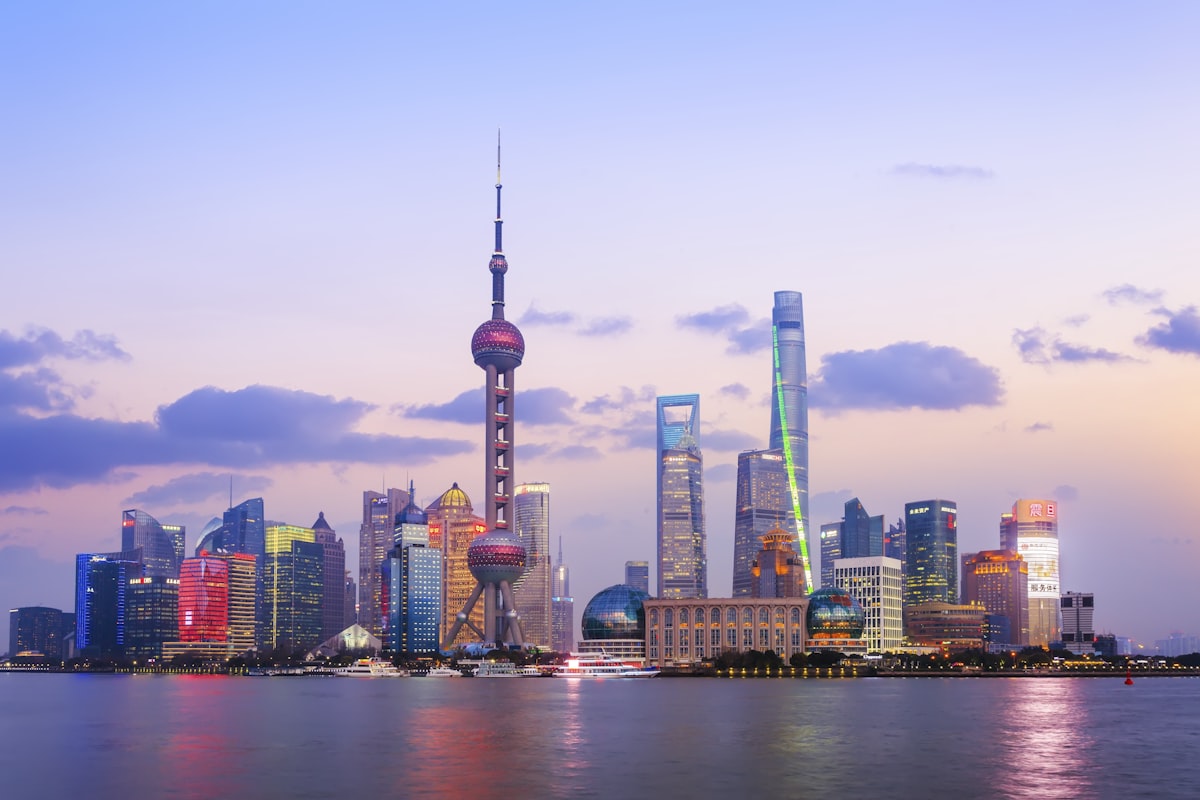
International patients comparing medical destinations in Asia often begin with reputation, not fit. Tokyo is associated with precision and trust. Bangkok is associated with hospitality and easy medical tourism. Shanghai is often overlooked at first, then reconsidered once the patient looks more closely at specialist depth, advanced treatment access, and pricing. The problem is that these cities do not compete on a single dimension. They solve different problems for different patients.
A patient who wants the easiest routine private-hospital experience may lean toward Bangkok. A patient who values Japanese system familiarity may lean toward Tokyo. A patient who needs strong specialist depth, access to major public hospitals, and better self-pay economics may find Shanghai much more compelling than expected.
This guide compares Shanghai, Tokyo, and Bangkok from the perspective of an international patient: price, usability, specialist depth, travel practicality, and which kinds of patients each city tends to fit best. If you are already leaning toward Shanghai and want the hospital-level comparison next, read best international hospitals in Shanghai.
The Short Answer: Which City Fits Which Patient?
| City | Usually Best For | Main Strength | Main Trade-Off |
|---|---|---|---|
| Shanghai | Patients wanting strong specialist depth + better self-pay value | Top public hospitals, advanced specialist care, strong value | More operational complexity than Bangkok |
| Tokyo | Patients prioritizing Japanese medical system trust and precision | Strong reputation, structured care, perceived precision | Higher cost for many self-pay patients |
| Bangkok | Patients prioritizing ease, hospitality, and classic medical tourism infrastructure | Smooth patient experience, mature private-hospital model | May be less compelling where advanced public-hospital depth matters more |
The most useful conclusion is not that one city is “best.” It is that each city fits a different combination of:
- budget
- language needs
- treatment type
- desired level of operational ease
- whether the patient needs high-level public specialist care or a smoother private-hospital environment
Cost: Where Shanghai Usually Stands
For self-pay patients, cost often changes the destination conversation dramatically.
Shanghai vs Tokyo
In many medical categories, Shanghai can be meaningfully cheaper than Tokyo for self-pay patients while still offering strong hospital infrastructure and specialist access. This is especially true when the patient can use public Grade 3A hospitals or international departments instead of only private premium care.
Shanghai vs Bangkok
Bangkok can be highly competitive in private-hospital medical tourism pricing, especially when the goal is a smooth hospitality-driven experience. But Shanghai can be very strong on value when:
- the patient needs public-hospital specialist depth
- the case may require escalation into a major academic center
- the patient needs stronger oncology or highly specialized pathways
Broad Practical Comparison
| Category | Shanghai | Tokyo | Bangkok |
|---|---|---|---|
| Self-pay specialist value | Strong | Often higher-cost | Moderate to strong |
| Public hospital value | Strong | Strong but often costlier for self-pay patients | Less central to foreign-patient pathway |
| Premium private care | Strong but variable | Often expensive | Very strong and mature |
| Checkup value | Strong | Often more expensive | Strong private-hospital option |
The useful takeaway is that Shanghai is often more cost-competitive than many international patients initially assume.
Ease of Use: Which City Feels Most Natural for Foreign Patients?
Bangkok
Bangkok is often the easiest city emotionally and operationally for international medical travelers. Its major private hospitals are deeply optimized for foreign patients, and the city’s broader tourism infrastructure supports that well.
Tokyo
Tokyo can feel orderly and highly trusted, but for fully international self-pay use it is not automatically the easiest or cheapest pathway. Patients may still face language, scheduling, and cost realities that differ from the reputation.
Shanghai
Shanghai is not always the easiest of the three in a purely hospitality sense. But it is often much more usable for foreign patients than outsiders expect — especially when the patient uses:
- private international hospitals
- public hospital international departments
- coordination support for specialist pathways
In other words, Shanghai is not automatically the smoothest city — but it is often the strongest city where high-level care and manageable foreign-patient access coexist.
Specialist Depth: Where Shanghai Becomes Especially Competitive
This is where Shanghai often becomes much stronger in the comparison.
Shanghai is especially compelling when the patient needs:
- top public-hospital specialists
- advanced oncology access
- hematology or complex internal medicine depth
- neurology and neurosurgery pathways
- public-hospital specialist value
- access to proton and heavy ion therapy pathways
This does not mean Tokyo or Bangkok lack strong specialists. It means that Shanghai’s combination of major public academic hospitals + more manageable international access often creates a strong option for serious cases.
Which City Is Best for Health Checkups?
Shanghai
Often strongest on:
- price-to-value
- access to advanced diagnostics
- ability to escalate into specialist follow-up in the same city
Tokyo
Often strongest on:
- reputation for precision
- appeal to patients already comfortable with the Japanese system
Bangkok
Often strongest on:
- ease of experience
- polished private-hospital screening environment
- classic short-stay private medical tourism model
The right choice depends on whether the patient values:
- lower price and stronger follow-up depth → Shanghai
- system familiarity and Japan preference → Tokyo
- hospitality and ease → Bangkok
Which City Is Strongest for Complex Cancer Care?
For many patients, this is where Shanghai gains the most ground.
Shanghai can be particularly compelling when the patient is evaluating:
- advanced public-hospital oncology review
- hematology pathways
- CAR-T-related hospital access
- proton and heavy ion therapy options
Bangkok may still be easier for general private oncology pathways, and Tokyo may appeal to patients who strongly prefer Japan, but Shanghai’s blend of cost, public-hospital depth, and advanced therapy access often makes it highly competitive.
Which City Fits Which Type of Patient?
Shanghai Is Often Best For
- patients with serious or specialist-heavy conditions
- self-pay patients looking for better value than Tokyo
- patients who need both international usability and major-hospital depth
- patients open to using public academic hospitals through international pathways
Tokyo Is Often Best For
- patients who strongly prefer Japan’s medical environment
- patients comfortable with Japanese system expectations
- patients whose financial flexibility is broader and who prioritize trust through familiarity
Bangkok Is Often Best For
- patients wanting the smoothest medical tourism experience
- patients seeking private-hospital comfort and lower-friction navigation
- patients whose treatment needs fit mature private-hospital medical tourism pathways well
Common Mistakes Patients Make When Comparing Cities
Comparing Only Price
Price matters, but the right city also depends on what level of specialist depth the patient may need.
Comparing Only Reputation
A city’s reputation may reflect one type of patient journey, not the one the patient actually needs.
Ignoring Follow-Up Needs
A city that is excellent for a one-time checkup may be less ideal if the patient is likely to need deeper specialist escalation.
Assuming Easier Means Better for Serious Disease
That is sometimes true, but often false when advanced specialist care is needed.
When OriEast Is Especially Useful
OriEast is especially useful when a patient is comparing Shanghai to other Asian destinations but needs a more practical decision framework than marketing slogans.
This matters when:
- the patient is weighing cost against specialist depth
- the case might need public-hospital expertise rather than pure private-hospital convenience
- the patient is unsure whether Shanghai’s complexity is outweighed by its medical value
- the city choice depends on treatment type, not just comfort
In those cases, the goal is not to sell one city blindly. It is to match the city to the real clinical and operational needs of the patient.
Frequently Asked Questions
Is Shanghai cheaper than Tokyo for medical care?
In many self-pay categories, yes. Shanghai often offers lower prices than Tokyo while still providing strong specialist access, especially through public Grade 3A hospitals and international departments.
Is Bangkok easier than Shanghai for foreign patients?
For many routine medical tourism cases, yes. Bangkok often feels easier because of its mature hospitality-oriented medical tourism system. Shanghai becomes more attractive when specialist depth and advanced public-hospital care matter more.
Which city is best for a health checkup?
That depends on budget, language expectations, and follow-up planning. Shanghai is often strong on value and hospital depth, Tokyo on system trust for some patients, and Bangkok on ease and hospitality.
Which city is strongest for advanced cancer care?
Shanghai can be especially compelling for certain advanced pathways because of its public-hospital specialist depth and access to particle therapy or other complex treatment channels.
Is Tokyo always better because Japan has a strong medical reputation?
Not automatically. Japan has a strong reputation, but for self-pay patients Shanghai can be significantly more cost-efficient while still offering very strong specialist and hospital infrastructure.
Who is Shanghai the best fit for?
Shanghai is often the best fit for international patients who want a strong balance of advanced specialist access, better price-to-value, and realistic foreign-patient pathways in a major medical hub.
If you are comparing Asian medical destinations and need the city that most often balances specialist depth, usable foreign-patient access, and self-pay value, Shanghai deserves a much closer look than many patients initially give it.
Primary CTA: Get a hospital shortlist
If you want to compare Shanghai hospitals directly, go here next:
Secondary CTA: Best International Hospitals in Shanghai
Related Reading
- Why Shanghai Is a Strong Choice for Medical Care in China
- Best International Hospitals in Shanghai
- Foreign-Friendly Hospitals in Shanghai
- Chinese Hospital Costs for Foreigners
- Medical Tourism in China: The Complete Guide
This article is informational only and does not replace medical advice or destination-specific treatment planning. The right city depends on diagnosis, budget, follow-up needs, language support, and the kind of hospital pathway the patient actually needs.