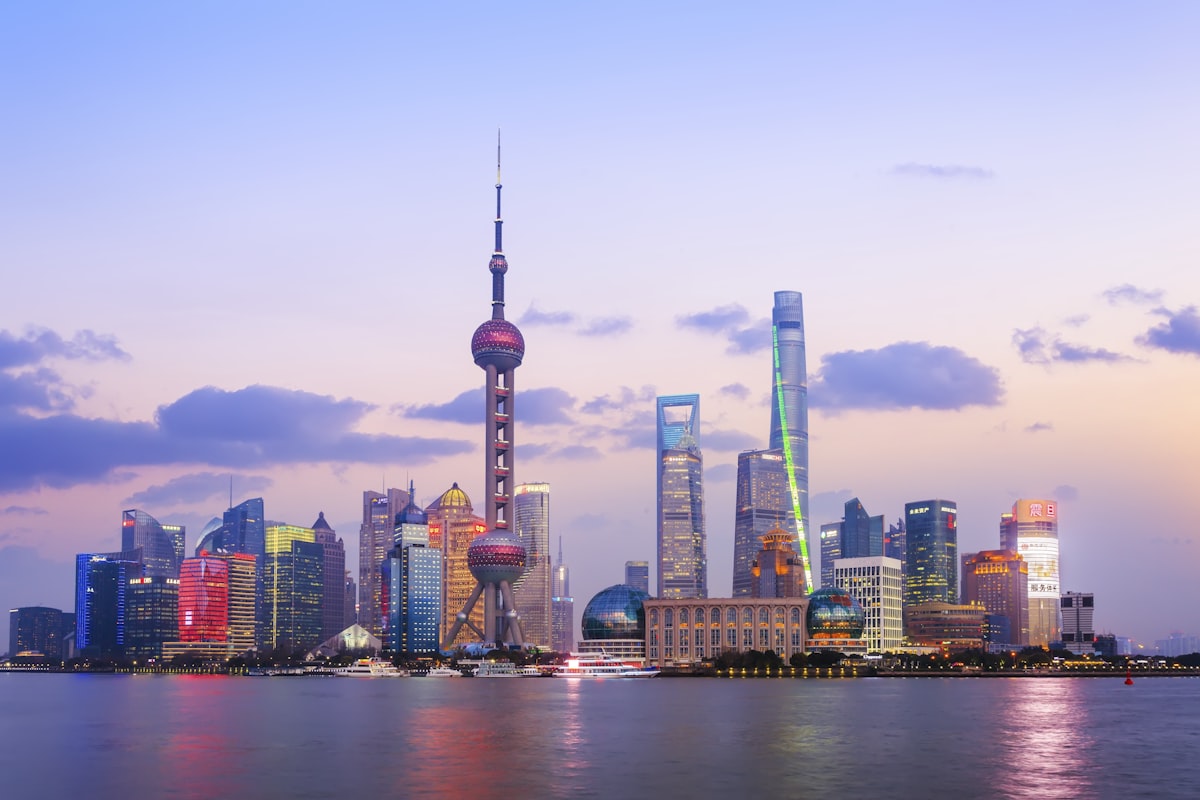
Shanghai is not the only city in China with strong hospitals. But for international patients, it is often the city where strong medicine and practical usability come together most effectively. That combination matters. A city can have excellent specialists and still be difficult for foreign patients to navigate. Another city can feel easier for foreigners but offer weaker depth for complex care. Shanghai’s advantage is that it usually performs well on both sides of that equation.
For many international patients, Shanghai offers something rare in one place:
- top public Grade 3A academic hospitals
- strong private international hospitals
- better access to English-language coordination
- easier international travel and logistics
- major specialist depth across multiple disease areas
This does not mean Shanghai is automatically the right answer for every patient. But it does mean that Shanghai is often the strongest default city in China for foreign patients who need a realistic balance of specialist depth, hospital choice, and operational manageability. This guide explains why. If you are already comparing specific hospitals, pair this page with our guide to the best international hospitals in Shanghai.
The Short Answer: Why Shanghai Stands Out
For international patients, Shanghai usually stands out for five reasons:
- hospital density
- specialist depth across multiple major disease areas
- better international-patient access pathways
- private and public options in the same city
- travel convenience and smoother logistics
| Factor | Why It Matters for International Patients |
|---|---|
| Public Grade 3A hospital concentration | Better access to top specialists and complex care |
| Private international hospitals | Easier English-speaking care and lower-friction visits |
| International departments | Better access route into public specialist systems |
| Transport and entry convenience | Easier trip planning and repeated visits |
| Breadth across treatment categories | Useful for checkups, oncology, neurology, fertility, GI, and more |
This combination is why Shanghai is often more practical than simply choosing “the cheapest city” or “the most famous hospital.”
Hospital Density and Specialist Access
Shanghai’s strongest advantage is not one hospital. It is the density of high-level options within one city.
A patient in Shanghai can realistically choose between:
- major public academic hospitals
- international departments inside those hospitals
- private international hospitals
- specialized centers for advanced care
That means the city works well for patients whose needs evolve over time. A patient can start with a checkup, move into specialist review, then escalate into treatment planning — all within one city network.
This matters especially for foreign patients because their care is often not linear. They may come first for:
- a consultation
- a second opinion
- a checkup
- a treatment eligibility review
and then need a stronger specialist pathway after that. Shanghai’s hospital density makes that easier.
Why Shanghai Is Easier for Foreign Patients Than Many Other Chinese Cities
Foreign-patient usability is one of Shanghai’s strongest advantages.
Better International Access Pathways
Shanghai has more hospitals with practical international pathways than many other Chinese cities. These include:
- private international hospitals
- public hospital international departments
- stronger familiarity with expat and international patients
Better English and Coordination Support
This does not mean every hospital in Shanghai is easy in English. It means the city has more realistic options for patients who need language support.
Better Logistical Infrastructure
Foreign patients often underestimate how much logistics matter. Shanghai is easier for:
- airport access
- hotel coordination
- repeated outpatient visits
- family accompaniment
- international communications and coordination
That practical ease can make a meaningful difference over a multi-step treatment journey.
What Shanghai Is Especially Strong For
Shanghai is not equally dominant in every area, but it is particularly strong in several categories.
Health Checkups and Preventive Screening
Shanghai is one of the strongest cities in China for:
- executive health checkups
- premium private screening
- public-hospital screening with specialist follow-up access
- short-stay medical trips for preventive care
This is one reason many international patients use Shanghai as a first-entry city for medical travel.
Complex Specialist Evaluation
Shanghai is especially valuable for patients who need high-level workup rather than a routine visit. This includes:
- neurology and neurosurgery
- hematology and oncology
- digestive and liver disease
- endocrinology and metabolism
- cardiovascular evaluation
Oncology and Advanced Therapy Access
Shanghai is one of the strongest Chinese cities for international patients considering:
- advanced oncology evaluation
- hematology pathways
- CAR-T-related review
- proton and heavy ion therapy access
Reproductive Medicine and Women’s Health Access
Shanghai is also one of the more usable cities for:
- fertility and IVF-related evaluation
- women’s health care in international settings
- balancing private convenience and public reproductive medicine depth
Public and Private in the Same City: Why That Matters
A key reason Shanghai works well for foreign patients is that it does not force them into one type of hospital.
| Need | Best Shanghai Advantage |
|---|---|
| Routine or premium outpatient care | Private international hospitals |
| Serious or complex specialist care | Public Grade 3A hospitals |
| High-value specialist access with less friction | Public international departments |
| Checkups with easier follow-up | Both systems available |
That flexibility is important. Many foreign patients do not know at the beginning whether they need a simple checkup, a specialist opinion, or a more advanced treatment pathway. Shanghai gives them room to move between those levels more easily than many other cities.
Is Shanghai More Expensive Than Other Cities in China?
Sometimes yes — especially at the premium private-hospital end. But that is only part of the picture.
Where Shanghai Can Be More Expensive
- premium private international hospital care
- high-end checkup packages
- private maternity and family-centered care
- convenience-driven outpatient service
Where Shanghai Still Delivers Strong Value
- public Grade 3A specialist access
- public international departments
- advanced diagnostics relative to Western pricing
- specialist depth for serious disease
This is why the more useful question is not whether Shanghai is the cheapest city, but whether it offers the best price-to-usability-to-specialist-depth combination for the case.
Who Is Shanghai Best For?
Shanghai is especially well suited to:
- international patients who want top hospital options in one city
- expats already living in China
- patients who need English support but may still need serious specialists
- short-stay checkup travelers
- patients needing second opinions or structured workups
- families balancing care quality and operational ease
Who May Not Need Shanghai Specifically?
Shanghai may not always be necessary if:
- the patient’s needs are routine and easily handled elsewhere
- another city has a more disease-specific center for the exact condition
- the patient is choosing purely on lowest possible cost rather than broader value
- follow-up logistics make another city more practical
This is why city choice should always follow clinical fit, not prestige alone.
When OriEast Is Especially Useful
OriEast is especially useful when the patient knows China may be the right country, but is still not sure whether Shanghai is the right city or which hospital pathway inside Shanghai makes the most sense.
This matters when:
- the patient needs both international usability and specialist depth
- the care journey may involve multiple steps
- public vs private pathway choice is not obvious
- budget and logistics need to be balanced alongside clinical fit
In those situations, the value is not just choosing a city. It is choosing the right route through that city.
Frequently Asked Questions
Why do international patients choose Shanghai for medical care?
Shanghai combines top public Grade 3A hospitals, private international hospitals, stronger foreign-patient infrastructure, and good access to advanced specialist care. For many foreign patients, it is the easiest major Chinese city to use.
Is Shanghai better than other Chinese cities for foreign patients?
For many international patients, yes — especially in terms of hospital density, international access pathways, English support, and overall logistical ease.
What treatments is Shanghai especially strong for?
Shanghai is particularly strong for checkups, complex specialist evaluation, oncology, hematology, neurology, digestive disease, reproductive medicine access, and advanced therapies such as proton and heavy ion therapy.
Is Shanghai good for routine care as well as serious disease?
Yes. One of Shanghai’s biggest strengths is that it supports both private international routine care and top public specialist care within the same city.
Is Shanghai more expensive than other cities in China?
At the private premium end, often yes. But Shanghai also offers strong value through public Grade 3A hospitals and international departments, especially for specialist care.
Who may not need to come to Shanghai?
Patients whose needs can be handled equally well closer to home, or whose condition is better matched to a center outside Shanghai, may not necessarily need Shanghai specifically.
If you are evaluating China and want the city that most often gives international patients the best balance between specialist depth and practical usability, Shanghai is usually where the conversation should begin.
Primary CTA: Get a hospital shortlist
If you want to compare hospital types inside Shanghai next, go here:
Secondary CTA: Best International Hospitals in Shanghai
Related Reading
- Best International Hospitals in Shanghai
- Foreign-Friendly Hospitals in Shanghai
- Chinese Hospital Costs for Foreigners
- Health Checkups in Shanghai for Foreigners
- Medical Tourism in China: The Complete Guide
This article is informational only and does not replace medical advice or hospital-specific recommendations. The right city and hospital choice depends on diagnosis, treatment goals, support needs, budget, and timing.