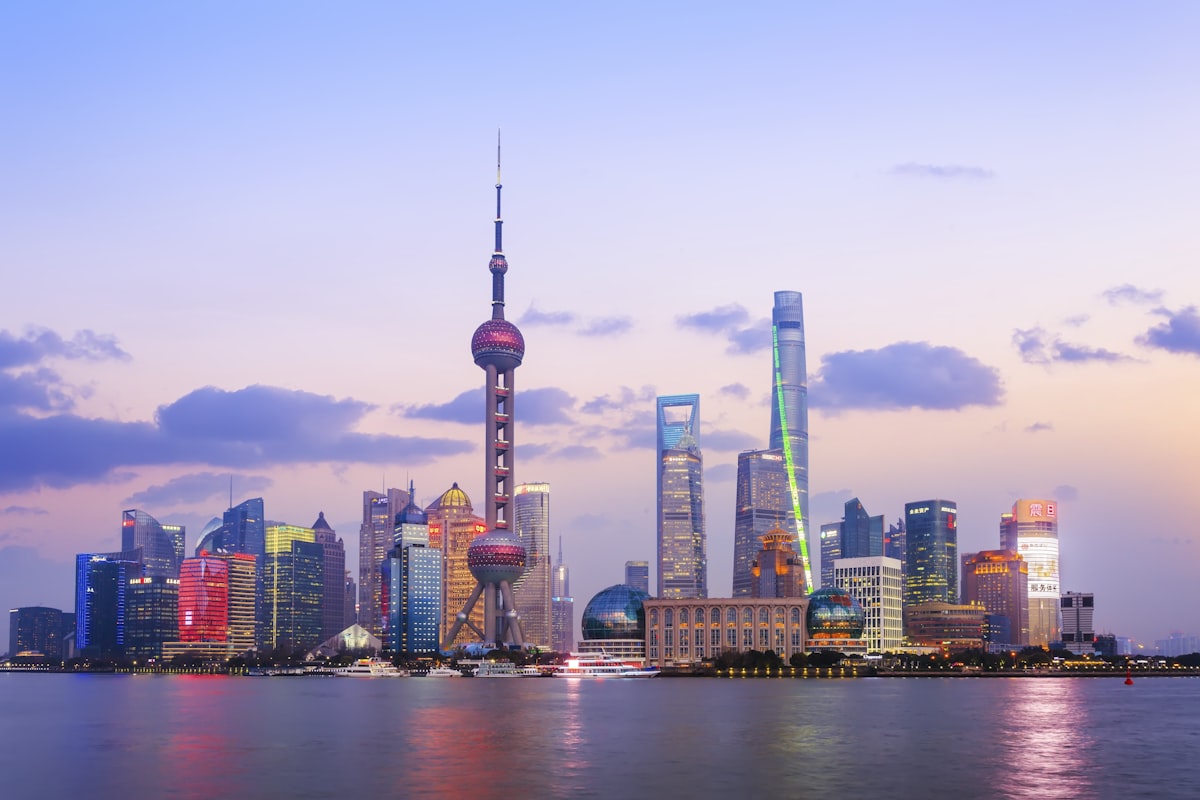
Shanghai and Beijing together are home to more than half of China's top 20 ranked hospitals, and both cities offer world-class specialists, advanced treatment technology, and established international patient departments. But they are not interchangeable — and choosing the wrong city for your specific medical need can mean longer wait times, higher costs, or a less suitable care team.
The short version: Shanghai tends to be the stronger choice for international patient experience, cutting-edge cancer treatment (CAR-T, proton therapy), dental care, fertility treatment, neurosurgery, and structured health checkups. Beijing is often better for elite public-hospital diagnostics, complex multi-system cases, top-tier orthopedic surgery, or a second opinion from Peking Union Medical College Hospital, consistently ranked number one in the country. For patients who are unsure, consulting specialists in both cities before committing is often worthwhile — OriEast can arrange remote consultations with hospitals in both cities through a case evaluation.
This guide compares the two cities across hospitals, specialties, costs, logistics, and patient experience with specific data and recommendations. If you are new to medical travel in China, start with our complete guide to medical tourism in China for the broader context.
Top Hospitals Compared: Shanghai vs Beijing
Both cities have exceptional hospitals, but their strengths are distributed differently. Here is a direct comparison of the leading institutions for international patients.
| Hospital | City | Key Specialties | International Dept | Notable Stats |
|---|---|---|---|---|
| Huashan Hospital (Fudan University) | Shanghai | Neurology, neurosurgery | Yes — International Medical Center | #1 nationally for neurology/neurosurgery, 1,200+ beds, 60,000+ surgeries/year |
| Ruijin Hospital (Shanghai Jiao Tong University) | Shanghai | Hematology, endocrinology, CAR-T therapy | Yes | JCI accredited since 2018, leading CAR-T center in south China |
| Shanghai Proton and Heavy Ion Center (SPHIC) | Shanghai | Proton/heavy ion radiotherapy | Yes — dedicated international patient services | 7,000+ patients since 2015, 95%+ tumor control rates for select cancers |
| Renji Hospital (Shanghai Jiao Tong University) | Shanghai | Gastroenterology, reproductive medicine, rheumatology | Yes | 5,000+ IVF cycles/year |
| Zhongshan Hospital (Fudan University) | Shanghai | Comprehensive, multidisciplinary oncology | Yes | Top 5 hospital nationally, strong surgical departments |
| Shanghai Ninth People's Hospital | Shanghai | Dental/oral surgery, plastic surgery | Yes | China's #1 dental and oral maxillofacial hospital |
| Peking Union Medical College Hospital (PUMCH) | Beijing | Complex diagnostics, multi-system disease, rare conditions | Yes — International Medical Service | Consistently ranked #1 hospital in China, founded 1921 |
| Chinese PLA General Hospital (301 Hospital) | Beijing | Orthopedics, cardiac surgery, organ transplants | Yes | Largest military hospital in China |
| Peking University People's Hospital | Beijing | Hematology, CAR-T therapy | Yes | National Key Discipline in Hematology, leading CAR-T center in north China |
| Peking University Third Hospital | Beijing | Reproductive medicine, sports medicine | Yes | Top reproductive medicine program in China |
For a deeper look at Shanghai's hospitals, see our guide to the best international hospitals in Shanghai.
Which City for Which Treatment?
This is where the choice becomes clearest. Different medical needs point to different cities.
Cancer: CAR-T Therapy and Proton/Heavy Ion Therapy
Recommendation: Shanghai
Shanghai is China's strongest city for advanced cancer treatment options available to international patients:
-
CAR-T cell therapy: Ruijin Hospital is one of the country's leading CAR-T therapy centers, with published response rates of 70–83% for relapsed/refractory large B-cell lymphoma — comparable to the best programs globally. The hospital's hematology department has been at the forefront of CAR-T research and was among the first in the world to achieve complete remission in acute lymphoblastic leukemia patients using this approach.
-
Proton and heavy ion therapy: The Shanghai Proton and Heavy Ion Center (SPHIC) is one of only a handful of facilities worldwide offering both proton and carbon-ion radiotherapy. Equipped with the Siemens IONTRIS system, it has treated over 7,000 patients since 2015, achieving five-year local control rates above 90% for nasopharyngeal carcinoma and 95%+ tumor control rates for select other cancers. Beijing does not have an equivalent facility.
-
Multidisciplinary oncology: Zhongshan Hospital (Fudan University) adds strong surgical oncology and multidisciplinary tumor board capabilities, giving Shanghai a comprehensive cancer care ecosystem.
For patients seeking advanced cancer therapies with a structured international patient pathway, Shanghai offers a more practical and complete care journey.
Cancer: Complex Diagnosis and Second Opinions
Recommendation: Beijing (PUMCH)
If you have already been diagnosed but want China's most authoritative second opinion — especially for rare, ambiguous, or multi-system conditions — Peking Union Medical College Hospital is the gold standard. PUMCH has been China's #1-ranked hospital for decades and is known nationally as the place where the hardest diagnostic cases go. If your primary need is diagnostic confidence before making a major treatment decision, Beijing may be the better destination.
Health Checkups
Recommendation: Shanghai
Shanghai has the most developed infrastructure for international health checkup packages. Multiple hospitals offer structured VIP screening programs with:
- English-speaking coordinators assigned to you for the full visit
- Same-day results for many blood tests, imaging, and basic screenings
- Hotel-adjacent facilities designed specifically for medical tourists
- Package options ranging from basic screenings ($400–$600) to executive-level comprehensive checkups ($800–$1,200) that include advanced imaging, cardiac screening, cancer markers, and specialist follow-up
Premium private options are stronger and more competitive in Shanghai than in Beijing, and the overall patient experience is smoother for short-stay visits. Many patients complete a comprehensive checkup in 1–2 days.
Read our dedicated guide: Health checkups in Shanghai for foreigners.
Dental and Oral Surgery
Recommendation: Shanghai (Ninth People's Hospital)
Shanghai Ninth People's Hospital is China's top-ranked institution for dental and oral maxillofacial surgery. Whether you need dental implants, complex reconstructive oral surgery, or cosmetic dental procedures, this hospital handles the highest patient volume at the national level. For a cost comparison, see our dental implants cost comparison.
Fertility and IVF
Recommendation: Shanghai (Renji) or Beijing (PKU Third Hospital)
Both cities have excellent reproductive medicine programs. Renji Hospital in Shanghai performs over 5,000 IVF cycles per year and is one of the most experienced programs in China. Peking University Third Hospital in Beijing runs China's top-ranked reproductive medicine department and is a strong choice for patients who need advanced fertility interventions.
Shanghai tends to offer a smoother international patient experience for fertility treatment, but Beijing's PKU Third Hospital is the better fit for complex or previously failed IVF cases.
For more details, see our guide to IVF and fertility treatment in China.
Neurosurgery
Recommendation: Shanghai (Huashan Hospital)
Huashan Hospital is nationally ranked #1 for neurology and neurosurgery. With over 60,000 surgeries per year and 1,200+ beds, the scale of its neurosurgical program is extraordinary — few hospitals anywhere in the world match this case volume. For brain tumors, spinal cord surgery, epilepsy surgery, cerebrovascular conditions, and other neurosurgical needs, Huashan is the clear first choice in China.
The hospital's International Medical Center provides English-speaking coordinators and can arrange pre-travel remote consultations to review imaging and determine surgical candidacy before you fly.
Orthopedics
Recommendation: Beijing (301 Hospital)
The Chinese PLA General Hospital (301 Hospital) is China's leading center for orthopedic surgery. As the largest military hospital in the country, it has unmatched case volume and expertise in:
- Total joint replacement (hip, knee, shoulder)
- Complex spinal surgery including minimally invasive approaches
- Sports medicine injuries and arthroscopic procedures
- Complex fracture reconstruction and revision surgeries
- Bone tumor surgery
Patients with orthopedic needs that require China's top surgical expertise should plan to travel to Beijing.
Traditional Chinese Medicine (TCM)
Recommendation: Both cities — Shanghai slightly easier for international patients
Both Shanghai and Beijing have excellent TCM hospitals affiliated with major universities. Both cities offer acupuncture, herbal medicine, tuina massage, moxibustion, and integrative TCM-Western medicine approaches.
Shanghai tends to be the easier choice for international patients because:
- More TCM clinics have English-speaking coordinators and structured treatment packages
- Integration with Western medical facilities is more streamlined for combined treatment plans
- The overall city infrastructure makes it easier to combine TCM with other medical appointments
Beijing's TCM tradition is equally deep, and patients seeking specific TCM specialties — especially those involving collaboration with PUMCH for integrative cancer support or complex chronic disease management — may prefer Beijing.
For more on TCM approaches, see our guides on acupuncture therapy and Chinese herbal medicine.
Quick Reference: Treatment-to-City Matching
| Treatment Need | Recommended City | Top Hospital |
|---|---|---|
| CAR-T cell therapy | Shanghai | Ruijin Hospital |
| Proton/heavy ion therapy | Shanghai | SPHIC |
| Complex cancer diagnosis | Beijing | PUMCH |
| Health checkup (VIP) | Shanghai | Multiple options |
| Dental/oral surgery | Shanghai | Ninth People's Hospital |
| IVF/fertility (standard) | Shanghai | Renji Hospital |
| IVF/fertility (complex) | Beijing | PKU Third Hospital |
| Neurosurgery | Shanghai | Huashan Hospital |
| Orthopedic surgery | Beijing | 301 Hospital |
| TCM (international patient) | Shanghai | Multiple options |
| Second opinion (rare/complex) | Beijing | PUMCH |
Cost Comparison: Shanghai vs Beijing
One of the most common questions from international patients is whether one city is significantly cheaper. The short answer: public hospital treatment costs are broadly similar, but the total trip cost can differ based on your choices.
Procedure Cost Estimates
| Procedure | Shanghai (est.) | Beijing (est.) | Notes |
|---|---|---|---|
| Comprehensive health checkup (VIP) | $400–$1,200 | $300–$1,000 | Shanghai has more premium private options at the higher end |
| MRI scan | $150–$400 | $120–$350 | Similar pricing at public hospitals; private hospitals cost more |
| Specialist consultation (international dept) | $50–$200 | $40–$150 | Beijing public hospitals slightly cheaper on average |
| Dental implant (single, including crown) | $1,500–$4,000 | $1,200–$3,500 | Shanghai's Ninth People's Hospital offers top-tier quality |
| IVF cycle (single) | $4,000–$8,000 | $3,500–$7,000 | Similar clinical costs; Shanghai's private options add premium tiers |
| CAR-T therapy (full treatment) | $80,000–$150,000 | $80,000–$150,000 | Comparable at public hospitals in both cities |
| Proton therapy (full course) | $30,000–$50,000 | N/A | SPHIC is in Shanghai; Beijing does not have a comparable facility |
All prices are approximate and reflect typical ranges for international patients at public hospital international departments or VIP clinics. Actual costs depend on the specific hospital, treatment complexity, and patient condition. Prices are in USD.
Where the Real Cost Difference Comes From
For major procedures, hospital pricing differences between Shanghai and Beijing are modest — often within 10–15%. The larger cost gap typically comes from:
- Private vs public hospital choice: Shanghai has a wider range of premium private hospitals, which cost more but offer VIP-level convenience. Beijing's strength is in its public hospital system, which is cheaper but can require more navigation.
- Interpreter and coordinator costs: English support is generally more available in Shanghai, which can reduce the need for dedicated interpreters.
- Accommodation: Shanghai's hotel options near major medical districts are broader and more competitive. Beijing's hospital districts are more spread out, sometimes requiring longer commutes.
- Trip length: If your treatment requires multiple hospital visits or specialist consultations, Shanghai's more compact medical districts can reduce transport time and daily costs.
Shanghai can look more expensive on the surface because premium private options are more visible. Beijing can seem cheaper until coordination, logistics, and waiting time costs are factored back in.
Practical Logistics: Getting There and Getting Around
Airports and International Access
| Factor | Shanghai | Beijing |
|---|---|---|
| Major airports | Pudong (PVG), Hongqiao (SHA) | Capital (PEK), Daxing (PKX) |
| International routes | 100+ international destinations | 100+ international destinations |
| Strongest connections | Japan, Korea, Southeast Asia, Australia | Europe, Central Asia, North America |
| Airport-to-city center | PVG: 45–60 min by Maglev/metro; SHA: 30 min | PEK: 45–60 min; PKX: 50–70 min |
| Transit visa (144-hour) | Available | Available |
Both cities support China's 144-hour transit visa exemption, which allows citizens of 54 countries to stay up to 6 days without a standard visa. For longer medical stays, a medical visa (M visa) or tourist visa (L visa) is typically required. Your OriEast coordinator can advise on the best visa type for your treatment timeline.
Hospital-to-Hotel Proximity
Shanghai has a natural advantage here. Many of its top hospitals — Huashan, Ruijin, Zhongshan, Renji — are located in the central Jing'an, Huangpu, and Xuhui districts, where international hotels are abundant. Walking or a short taxi ride from your hotel to your hospital is common.
Beijing's top hospitals are more spread out across a much larger urban area. PUMCH is centrally located near Dongcheng, but 301 Hospital is in western Haidian, and Peking University hospitals are in the university district. Traffic congestion in Beijing is also heavier on average, making hospital-to-hotel transit less predictable.
Public Transport and Getting Around
| Factor | Shanghai | Beijing |
|---|---|---|
| Metro system | 20+ lines, clean, well-signed in English | 27+ lines, extensive but more crowded |
| Ride-hailing | Didi widely available; easy to use | Didi widely available; traffic heavier |
| Walkability near hospitals | Generally good in central districts | Variable — depends on hospital location |
| English signage | Strong in central areas | Adequate but less consistent |
Both cities support Alipay and WeChat Pay, which are useful for taxis, restaurants, and convenience stores. International credit cards are accepted at most hotels and hospital international departments.
Weather and Best Times to Visit
| Season | Shanghai | Beijing |
|---|---|---|
| Spring (Mar–May) | Mild, pleasant, best overall season | Warming, occasional dust storms in March |
| Summer (Jun–Aug) | Hot and humid, 30–38°C | Hot and humid, 30–36°C, more rain in July–August |
| Autumn (Sep–Nov) | Comfortable, good for travel | Best season — clear skies, cool and dry |
| Winter (Dec–Feb) | Cold but mild (2–8°C), damp | Very cold (-5 to 5°C), dry, indoor heating available |
For medical travel comfort, spring and autumn are the best seasons in both cities. If you must choose between them: Shanghai's spring (March–May) is ideal, and Beijing's autumn (September–November) is its most pleasant period.
English Support Levels
Shanghai generally has stronger English support for international patients:
- More hospitals have dedicated international departments with English-speaking coordinators
- Hotel and restaurant staff in central districts are more likely to speak basic English
- Medical interpreters are more readily available and competitively priced
- Signage and navigation apps work well in English
Beijing has improving English support, especially at top hospitals like PUMCH and 301 Hospital, but the overall city experience may require more translation assistance outside of hospital settings.
Can You Visit Both Cities in One Trip?
Yes — and many patients do.
Shanghai and Beijing are connected by high-speed rail (HSR), with trains running roughly every 15–30 minutes throughout the day. The journey takes 4 to 4.5 hours and costs approximately $85–$140 USD one-way (second class to business class). Flights between the two cities take about 2.5 hours and are similarly priced.
Sample Two-City Medical Itinerary
| Day | City | Activity |
|---|---|---|
| Day 1–2 | Shanghai | Comprehensive health checkup at a VIP screening center |
| Day 3 | Shanghai | Specialist consultation at Huashan or Ruijin Hospital |
| Day 4 | Shanghai | Follow-up tests, TCM consultation, or rest day |
| Day 5 | Travel | High-speed rail Shanghai to Beijing (4.5 hours) |
| Day 6–7 | Beijing | Second opinion consultation at PUMCH |
| Day 8 | Beijing | Additional specialist visit or sightseeing |
| Day 9 | Beijing | Depart from PEK or PKX |
This type of itinerary works well for patients who want:
- A health checkup in Shanghai combined with a specialist second opinion in Beijing
- Consultations with leading specialists in both cities before deciding on treatment
- A diagnostic workup in one city followed by a treatment plan in another
OriEast can coordinate appointments in both cities and arrange transport, accommodation, and interpreter services for the full itinerary. Contact us to plan a two-city trip.
The Bottom Line: When to Choose Each City
Choose Shanghai if:
- You are a first-time medical tourist to China
- You want a smoother, more internationally oriented patient experience
- You need cancer treatment (CAR-T, proton therapy, or surgical oncology)
- You want a comprehensive health checkup with VIP-level service
- You need dental or oral surgery
- You need neurosurgery
- You want to combine TCM with Western medical care in one trip
- You are traveling from Japan, Korea, or Southeast Asia
- You prefer a city where English support is more widely available
Choose Beijing if:
- Your case is unusually complex and requires China's top diagnostic expertise
- You specifically need a second opinion from PUMCH (China's #1 hospital)
- You need orthopedic surgery at the highest level
- You need hematology care in north China (PKU People's Hospital)
- You have a complex or previously failed IVF case (PKU Third Hospital)
- Your priority is national-level specialist authority over convenience
The honest answer for most international patients:
If you ask which city is better for international medical tourism overall, the answer is usually Shanghai. It has the stronger combination of medical excellence, international patient infrastructure, and travel convenience.
If you ask which city has China's single most prestigious hospital, the answer is Beijing — because PUMCH is in a class of its own for complex diagnostics and rare disease.
The best choice depends less on the city itself and more on the kind of patient you are and the specific treatment you need. If you want help matching your situation to the right city and hospital, OriEast can guide you through the comparison before you travel. Submit your case or contact us.
Frequently Asked Questions
Which city has better cancer treatment?
It depends on the type of cancer care you need.
For advanced treatment options like CAR-T cell therapy, proton therapy, and heavy ion therapy, Shanghai is stronger. The Shanghai Proton and Heavy Ion Center (SPHIC) is one of the few facilities in the world offering carbon-ion therapy, with over 7,000 patients treated and tumor control rates exceeding 95% for select cancer types. Ruijin Hospital is one of China's leading CAR-T centers, with JCI accreditation and published response rates comparable to the best programs in the US. Zhongshan Hospital adds strong multidisciplinary tumor board capabilities.
For a complex cancer diagnosis, rare tumor workup, or authoritative second opinion, Beijing's Peking Union Medical College Hospital (PUMCH) is China's top institution. Its diagnostics team handles cases referred from across the country.
For more on cancer care costs and logistics, see our guides to CAR-T therapy in China and proton therapy in China.
Is Shanghai or Beijing cheaper for medical tourists?
Hospital treatment costs at public institutions are broadly similar — typically within 10–15% of each other for the same procedures. Beijing's public hospital consultation fees can be slightly lower, but the difference is modest.
Shanghai can look more expensive because it has more premium private hospital options, but these are optional — you can choose the same tier of public hospital in either city at similar pricing.
The real cost difference usually comes from:
- Accommodation: Shanghai has more competitive hotel options near hospital districts
- Coordination: English support is stronger in Shanghai, reducing interpreter costs
- Transport: Beijing's hospitals are more spread out across the city, adding commute time and taxi costs
- Trip length: Shanghai's more compact medical districts can reduce the number of travel days needed
For most patients, total trip cost is comparable if they use public hospital international departments in either city.
Can I get TCM treatment in Beijing?
Absolutely. Beijing has excellent Traditional Chinese Medicine hospitals and practitioners, many affiliated with major universities. However, for international patients, Shanghai tends to offer more structured TCM treatment packages with English-speaking coordinators and better integration with Western medical facilities. Both cities are strong choices for TCM — the difference is mainly in the international patient experience surrounding the treatment.
Which city is better for health checkups?
Shanghai. The city has the most developed infrastructure for international health screening, including VIP checkup centers with English-speaking staff, same-day results for many tests, and convenient locations near international hotels. Our guide to health checkups in Shanghai for foreigners covers the best options in detail.
How far apart are Shanghai and Beijing?
Approximately 1,200 km (750 miles). High-speed rail connects the two cities in 4 to 4.5 hours, with trains departing every 15–30 minutes. Flights take about 2.5 hours. Many medical tourists visit both cities in a single trip, and OriEast can coordinate appointments and logistics for a two-city itinerary.
Which city has better international patient support?
Shanghai, in most cases. More hospitals have established international departments with English-speaking coordinators, the city has a larger community of medical interpreters, and the overall infrastructure for foreign visitors — hotels, transport, dining, payment systems — is more streamlined. Beijing's top hospitals (especially PUMCH and 301 Hospital) have good international patient services, but the broader city experience requires more navigation for non-Chinese speakers.
Can OriEast help in both cities?
Yes. OriEast coordinates medical travel in both Shanghai and Beijing. Our services include hospital selection, appointment scheduling, medical record translation, interpreter arrangements, accommodation booking, and in-city transport coordination. Whether you need care in one city or both, we manage the logistics end to end. Submit your case or contact us to get started.
Which city is better for Japanese or Korean patients?
Shanghai is typically more convenient for patients from Japan and Korea. Direct flights to Shanghai from Tokyo, Osaka, Seoul, and Busan are frequent and affordable (often under $300 round trip). Shanghai also has a larger Japanese and Korean expatriate community, which means more hospitals have Japanese- and Korean-speaking coordinators. Several Shanghai hospitals, including Ruijin and Huashan, have specific outreach programs for Japanese and Korean patients. That said, Beijing is accessible from both countries and is the better fit if the medical need specifically requires a Beijing hospital.
Do I need a separate visa for each city?
No. A single Chinese visa covers travel to both Shanghai and Beijing — and anywhere else in mainland China. There is no separate city-level visa requirement.
If you are eligible for the 144-hour transit visa exemption (available to citizens of 54 countries), note that this permits visa-free stays of up to 6 days within designated regions. Both Shanghai and Beijing are included in this program. However, if you plan to visit both cities on the 144-hour exemption, check the specific regional restrictions — in some cases, the exemption covers a defined geographic area rather than all of mainland China.
For medical stays longer than 6 days, a standard visa is recommended:
- M visa (medical/business) — appropriate for treatment-focused visits
- L visa (tourist) — suitable for shorter medical consultations combined with travel
Your OriEast coordinator can advise on the best visa option for your specific treatment plan and timeline.
Which city is safer for foreigners?
Both Shanghai and Beijing are very safe for international visitors. Violent crime is rare, and both cities have well-established police and emergency services. Shanghai's central districts feel particularly safe and walkable, with an international atmosphere that makes most visitors feel at ease quickly. Beijing is equally safe but can feel more navigational due to its larger size. In both cities, standard precautions (as you would take in any major international city) are sufficient. Hospitals in both cities have security and dedicated international patient areas.
Related Reading
- Medical tourism in China complete guide — the comprehensive overview for international patients
- Best international hospitals in Shanghai — detailed profiles of Shanghai's top hospitals
- Health checkups in Shanghai for foreigners — how to plan a screening visit
- CAR-T therapy in China: costs, hospitals, and what to know — advanced cancer immunotherapy guide
- Proton therapy in China guide — proton and heavy ion treatment options
- Dental implants cost comparison — dental care pricing across countries
- IVF and fertility treatment in China — reproductive medicine options
- Free case evaluation — submit your medical records for a preliminary assessment
- Contact OriEast — speak with our medical travel coordination team
Disclaimer: This article is for informational purposes only and does not constitute medical advice. Hospital rankings, costs, and capabilities described in this article are based on publicly available data and OriEast client experience as of March 2026. Actual costs, wait times, and treatment availability may vary based on individual circumstances, hospital policies, and changes in the healthcare system. All treatment decisions should be made in consultation with qualified medical professionals. OriEast is a medical travel facilitation service and does not provide medical treatment directly. If you would like help determining which city and hospital are right for your needs, please submit your case for evaluation or contact us.