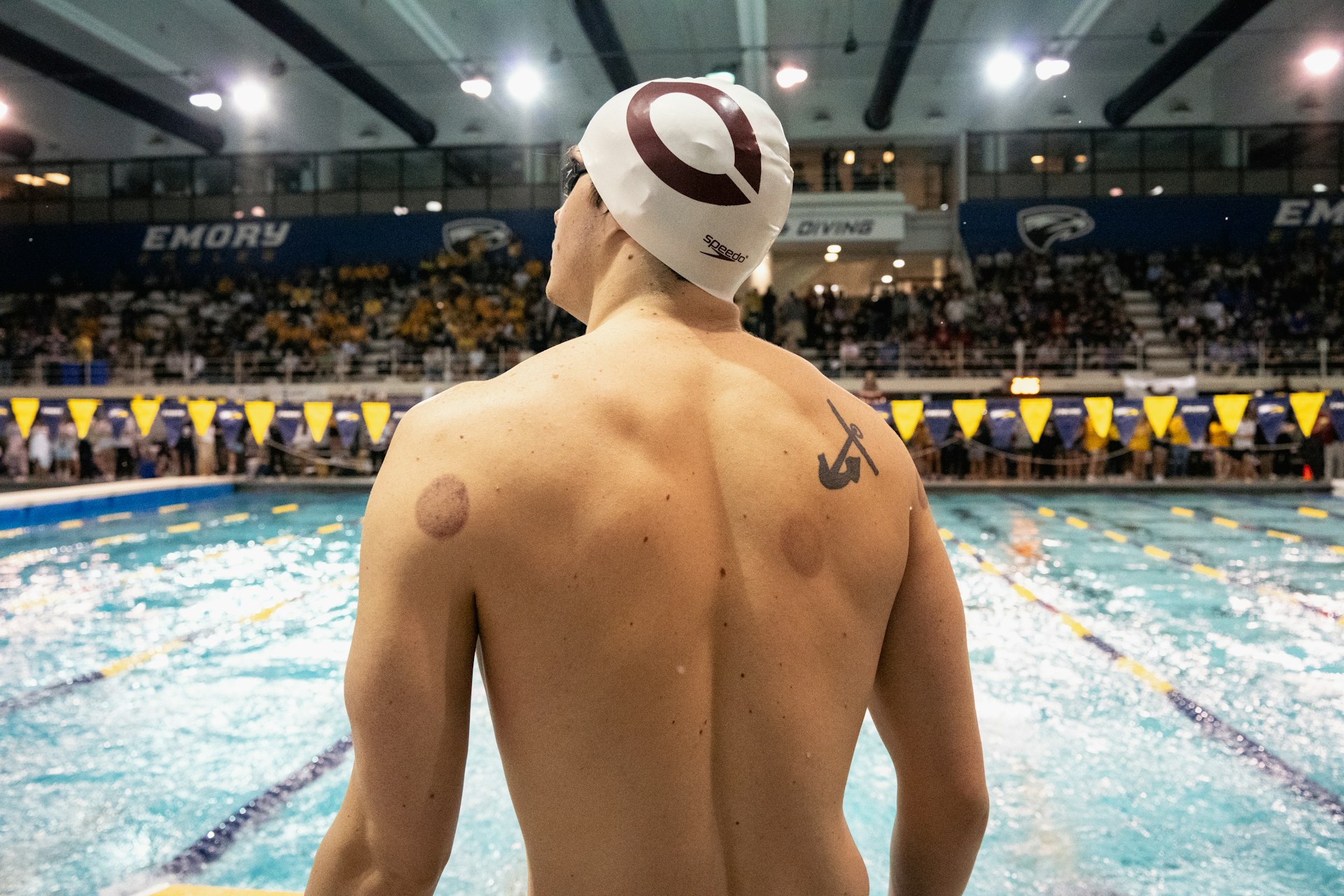
In professional sports, the margin between winning and losing often comes down to recovery. How quickly an athlete can bounce back from training, manage pain without drugs, and stay injury-free across a grueling season determines careers. That is why an increasing number of elite athletes — from NBA All-Stars to Olympic gold medalists — have quietly added acupuncture to their performance toolkit.
This is not a trend. It is a shift in sports medicine, backed by the same physiological mechanisms that have made acupuncture one of the most studied complementary therapies in the world.
Who Uses Sports Acupuncture?
The list of athletes and teams using acupuncture reads like a hall of fame:
- NBA: Multiple teams employ acupuncturists, with players including Steve Nash (who credited acupuncture with extending his career) and numerous current All-Stars incorporating regular sessions
- NFL: The New England Patriots, Seattle Seahawks, and other organizations include acupuncture in their medical staff
- Olympics: The US Olympic Training Center in Colorado Springs has offered acupuncture services for decades. Chinese, Japanese, Korean, and many European Olympic teams integrate TCM into their athlete care
- Tennis: Novak Djokovic and other top players have publicly discussed using acupuncture for recovery
- Soccer: Premier League and Bundesliga clubs increasingly employ TCM practitioners
- UFC/MMA: Fighters use acupuncture for both recovery and weight-cutting support
The pattern is clear: the higher the competitive stakes and the greater the physical demand, the more likely athletes are to use acupuncture.
The Science: How Acupuncture Accelerates Recovery
Sports acupuncture works through the same physiological mechanisms documented in clinical research — but applied specifically to the demands of athletic performance and recovery.
1. Accelerated Tissue Repair
When acupuncture needles are inserted into or near injured tissue, they create controlled micro-trauma that triggers the body's healing cascade. This includes:
- Increased local blood flow — delivering oxygen, nutrients, and immune cells to the injury site
- Fibroblast activation — stimulating the cells responsible for producing collagen and repairing connective tissue
- Growth factor release — promoting tissue regeneration at the cellular level
Research published in the Journal of Sports Medicine found that acupuncture combined with standard rehabilitation protocols reduced recovery time from muscle strains by approximately 25-30% compared to rehabilitation alone.
2. Inflammation Control
The 2021 Nature Medicine study that identified acupuncture's vagus nerve-adrenal anti-inflammatory pathway is directly relevant to sports recovery. After intense training or competition, controlled inflammation is part of the healing process — but excessive inflammation delays recovery and increases injury risk.
Acupuncture modulates this response, reducing excessive inflammation without completely suppressing it (unlike NSAIDs, which can actually impair tissue healing when overused). This is a crucial distinction for athletes who need to recover quickly without compromising the body's natural repair processes.
3. Pain Management Without Performance-Impairing Drugs
For competitive athletes, how you manage pain matters as much as whether you manage it. Many conventional pain management options come with performance costs:
| Pain Management Method | Effectiveness | Performance Impact |
|---|---|---|
| Opioids | High | Sedation, reduced reaction time, dependency risk |
| NSAIDs (ibuprofen, etc.) | Moderate | May impair tissue healing, GI issues with chronic use |
| Cortisone injections | High (temporary) | Can weaken tissue with repeated use |
| Acupuncture | Moderate-High | No sedation, no tissue damage, no dependency |
Acupuncture triggers endorphin release — the body's natural painkillers — providing analgesia without any of the cognitive or physical side effects that compromise athletic performance.
4. Muscle Tension Release and Flexibility
Acupuncture is highly effective at releasing myofascial trigger points — the "knots" in muscle tissue that restrict range of motion, alter movement patterns, and predispose athletes to injury. Dry needling (a technique derived from acupuncture) targets these trigger points directly, producing immediate muscle relaxation and improved flexibility.
Studies show that a single acupuncture session can increase range of motion in the hip, shoulder, and spine by 10-20%, which has significant implications for injury prevention and athletic performance.
5. Sleep Optimization
Sleep is the single most important recovery tool available to athletes. During deep sleep, the body releases growth hormone, repairs damaged tissue, and consolidates motor learning. Poor sleep quality directly impairs recovery, increases injury risk, and reduces performance.
Acupuncture has been shown to improve sleep quality by regulating melatonin production and calming the nervous system. For athletes dealing with travel-related sleep disruption, pre-competition anxiety, or overtraining-related insomnia, this benefit alone can be transformative.
6. Nervous System Regulation
Elite athletes often operate in a state of chronic sympathetic nervous system activation — the "fight or flight" mode that drives high performance but also drives overtraining, burnout, and immune suppression. Acupuncture activates the parasympathetic nervous system, helping the body shift into recovery mode more efficiently.
This autonomic nervous system regulation is one reason why many athletes report feeling "reset" after acupuncture — not just physically, but mentally and emotionally.
Common Sports Conditions Treated with Acupuncture
| Condition | How Acupuncture Helps | Typical Sessions |
|---|---|---|
| Muscle strains and pulls | Increases blood flow, reduces inflammation, speeds tissue repair | 4-8 sessions |
| Tendinitis (Achilles, patellar, rotator cuff) | Reduces tendon inflammation, promotes collagen repair | 6-12 sessions |
| Plantar fasciitis | Releases fascial tension, reduces heel pain | 6-10 sessions |
| IT band syndrome | Releases myofascial restrictions, restores hip mechanics | 4-8 sessions |
| Tennis/golfer's elbow | Reduces inflammation, releases forearm trigger points | 6-10 sessions |
| Back and neck pain | Core stability support, spinal mobility improvement | 6-12 sessions |
| Shin splints | Reduces periosteal inflammation, improves circulation | 4-8 sessions |
| Post-concussion symptoms | Regulates nervous system, reduces headaches | 8-12 sessions |
| Overtraining syndrome | Restores autonomic balance, improves sleep and recovery | 8-12 sessions |
Sports Acupuncture: What a Session Looks Like
A sports acupuncture session differs from standard acupuncture in several ways:
- Assessment — The practitioner evaluates your sport-specific movement patterns, identifies muscle imbalances, and locates trigger points through palpation
- Treatment — Needles are placed at both local injury sites and distal points along meridians that influence the affected area. Electroacupuncture (mild electrical stimulation through the needles) is often used for musculoskeletal conditions
- Complementary techniques — Sports acupuncture sessions frequently include cupping therapy (those circular marks you have seen on Olympic swimmers), gua sha (tissue mobilization), and moxibustion for circulation enhancement
- Duration — Sessions typically last 45-60 minutes, with needles retained for 20-30 minutes
Why Athletes Travel to China for Treatment
For athletes dealing with persistent injuries or looking to optimize their recovery systems, receiving treatment in China offers distinct advantages:
- Practitioner depth — Chinese sports medicine physicians typically have both Western sports medicine and TCM training, giving them a broader toolkit than practitioners trained in only one system
- Integrated facilities — Major sports medicine centers in Shanghai and Beijing combine acupuncture, herbal medicine, manual therapy, and modern rehabilitation under one roof
- Treatment intensity — In China, patients can receive daily treatments for 2-3 weeks — an intensity that is logistically difficult to achieve in most Western settings but produces significantly faster results for stubborn conditions
China's national sports teams have used TCM-integrated recovery protocols for decades, contributing to the country's Olympic success. This same caliber of care is available to international patients through programs like those offered by OriEast.
Building an Acupuncture Recovery Protocol
For athletes looking to incorporate acupuncture into their training:
During training blocks:
- 1-2 sessions per week for maintenance and recovery support
- Focus on addressing chronic tension patterns and preventing overuse injuries
Pre-competition:
- Session 24-48 hours before competition for nervous system optimization
- Focus on calming the mind, releasing muscle tension, and promoting restful sleep
Post-competition / post-injury:
- Begin treatment within 24-48 hours of injury when possible
- 2-3 sessions per week during acute recovery phase
- Transition to weekly sessions as healing progresses
Off-season:
- Focus on addressing accumulated damage, restoring balance, and building resilience for the next season
- Ideal time for intensive treatment courses, including TCM wellness programs in China
The Bottom Line
Acupuncture for sports recovery is not alternative medicine — it is smart medicine. The same mechanisms that make it effective for chronic pain, inflammation, and nervous system regulation make it an ideal tool for athletes who demand the most from their bodies and need the fastest possible recovery.
The athletes who are winning at the highest levels already know this. The question is whether you are ready to add this advantage to your own program.
Interested in sports acupuncture treatment? Contact OriEast for a free consultation about athletic recovery programs with TCM specialists in Shanghai.