← Back to Blog
Traditional Chinese Medicine

TCM Wellness Retreats in China: The Complete Guide to Healing Holidays in Shanghai

OriEast Editorial Team2026-04-02
TCM Wellness Retreats in China: The Complete Guide to Healing Holidays in Shanghai

Quick Answer: China's TCM wellness retreat industry has grown by over 30% since 2020, with more than 1.2 million international visitors seeking Traditional Chinese Medicine programs annually. Structured retreat programs typically run 7-21 days, cost between $2,000 and $8,000 depending on duration and facility tier, and combine acupuncture, herbal medicine, tai chi, dietary therapy, and cupping into coordinated treatment plans. Research suggests that multi-modal TCM programs can reduce chronic pain scores by 40-60%, improve sleep quality by up to 55%, and lower stress biomarkers by 30-45% compared to single-modality treatments.

Wellness tourism is one of the fastest-growing segments of the global travel industry, valued at over $800 billion worldwide. Within that market, Traditional Chinese Medicine wellness retreats represent a unique category — programs that go far beyond spa relaxation to offer structured, medically supervised healing experiences rooted in a 2,500-year-old medical tradition.

China is the only place in the world where you can receive TCM treatments at their source, administered by practitioners who trained within the same institutional lineage that developed the medicine. From world-class TCM hospitals in Shanghai to mountain retreat centers in Zhejiang and Yunnan, the range of options for international visitors has never been broader or more accessible.

This guide covers everything you need to know about planning a TCM wellness retreat in China: what types of programs exist, what a typical day looks like, which conditions respond best to retreat-style treatment, how much you should expect to spend, and how to choose the right program for your needs.


What Is a TCM Wellness Retreat?

A TCM wellness retreat is a structured, multi-day program that combines several Traditional Chinese Medicine modalities into a coordinated treatment plan, typically delivered in a residential or semi-residential setting. Unlike a single acupuncture appointment or an herbal medicine consultation, a retreat immerses you in the full spectrum of TCM for an extended period — allowing treatments to build on each other and giving your body time to respond.

The core philosophy behind retreat-style TCM is rooted in the concept of zheng ti guan nian (holistic perspective). In TCM theory, health is not simply the absence of disease but a state of dynamic balance among the body's organ systems, energy pathways (meridians), and the external environment. A retreat creates the conditions for this balance to be restored — removing daily stressors, providing therapeutic nutrition, introducing movement practices, and delivering targeted treatments in a coordinated sequence.

How TCM Retreats Differ from Western Wellness Spas

It is important to understand that a genuine TCM wellness retreat is not the same as a luxury spa that happens to offer a few Asian-inspired treatments. The differences are substantive.

FeatureTCM Wellness RetreatWestern Wellness Spa
Medical assessmentFull TCM diagnostic evaluation (pulse, tongue, symptom history)Brief intake questionnaire
Treatment planIndividualized, condition-specific protocolMenu-based service selection
Practitioner qualificationsLicensed TCM physicians (5-8 years medical training)Spa therapists, massage technicians
Treatment modalitiesAcupuncture, herbal formulas, cupping, moxibustion, tuina, dietary therapyMassage, facials, body wraps, aromatherapy
Medical supervisionDaily or every-other-day physician check-insMinimal medical oversight
Dietary programTherapeutic meals based on TCM diagnosisHealthy menu options
Movement componentPrescribed tai chi, qigong, or therapeutic exerciseYoga, fitness classes
Expected outcomesMeasurable symptom improvement, biomarker changesRelaxation, stress relief
Follow-up careTake-home herbal formulas, lifestyle prescriptionsProduct recommendations

A study published in the Journal of Traditional Chinese Medicine found that participants in structured multi-modal TCM programs showed significantly greater improvements in quality-of-life scores compared to those who received individual TCM treatments in isolation, suggesting a synergistic effect when modalities are combined within a retreat framework (Wang et al., 2019).


Types of TCM Wellness Retreats in China

Not all TCM retreats are the same. The programs available in China span a wide range, from medically intensive hospital-based stays to gentler preventive-wellness programs set in scenic natural environments. Understanding the types will help you choose the right fit.

1. Hospital-Based TCM Programs

These are structured treatment programs offered through China's leading TCM hospitals and their affiliated wellness centers. You receive treatments in a clinical setting with full access to diagnostic equipment (blood tests, imaging, TCM diagnostics) and a multidisciplinary team of physicians.

Best for: Patients with specific medical conditions — chronic pain, autoimmune disorders, neurological issues, post-surgical recovery, or fertility concerns.

Typical duration: 7-14 days

Key features:

  • Full medical intake including Western and TCM diagnostics
  • Daily acupuncture and/or electroacupuncture sessions
  • Customized herbal medicine formulas (adjusted throughout the stay)
  • Access to hospital specialists for integrated consultations
  • Detailed medical records and treatment summaries for your home physician

Shanghai is the primary hub for hospital-based TCM programs accessible to international patients. Major institutions such as Shuguang Hospital (affiliated with Shanghai University of TCM) and Longhua Hospital offer dedicated international patient departments with English-speaking coordinators. For more on navigating these facilities, see our guide to Shanghai's best international hospitals.

2. Residential Wellness Retreats

These programs take place at dedicated retreat facilities — often located in scenic areas outside major cities — that combine clinical TCM treatment with a supportive residential environment. Accommodation, meals, treatments, and activities are all included in a single package.

Best for: Stress recovery, burnout prevention, general health optimization, chronic fatigue, sleep disorders, digestive issues, and anyone seeking a comprehensive reset.

Typical duration: 10-21 days

Key features:

  • Private or semi-private accommodation on-site
  • Three therapeutic meals daily prepared according to TCM dietary principles
  • Daily acupuncture, cupping, or tuina sessions
  • Morning tai chi or qigong practice
  • Herbal medicine (teas, decoctions, or concentrated granules)
  • Meditation and breathwork sessions
  • Nature walks or forest therapy
  • One-on-one consultations with TCM physician 2-3 times per week

3. TCM Detoxification Programs

TCM detox programs are specifically designed to address toxin accumulation, digestive dysfunction, and metabolic stagnation. They draw on the TCM concept of pai du (expelling toxins) and combine herbal formulas with dietary restrictions, acupuncture, cupping, and gua sha to support the body's eliminative organs.

Best for: Digestive issues, skin conditions, fatigue, metabolic sluggishness, post-medication recovery, and patients who have undergone prolonged pharmaceutical treatments.

Typical duration: 7-14 days

Key features:

  • Modified fasting or elimination diet during the initial phase
  • Herbal formulas targeting liver, kidney, and digestive function
  • Daily acupuncture focused on detoxification points
  • Cupping therapy to promote circulation and lymphatic drainage
  • Gua sha for fascial release and toxin mobilization
  • Abdominal tuina massage
  • Gradual reintroduction of therapeutic foods

4. TCM Beauty and Anti-Aging Programs

A growing category, these programs combine cosmetic acupuncture (facial rejuvenation acupuncture) with internal herbal medicine, dietary therapy, and lifestyle modification. The approach is based on TCM's principle that external appearance reflects internal organ health — particularly the function of the spleen, liver, and kidney systems.

Best for: Skin health concerns, premature aging, hormonal imbalances affecting skin and hair, and those seeking a natural alternative to cosmetic procedures.

Typical duration: 7-14 days

5. Condition-Specific Intensive Programs

Some facilities offer intensive programs designed around a single health concern. These are the closest to a Western medical treatment program but delivered within a TCM framework.

Common condition-specific programs include:

  • Chronic pain management — combining acupuncture, moxibustion therapy, herbal medicine, and tuina for conditions like lower back pain, arthritis, and fibromyalgia
  • Fertility support — integrating acupuncture, herbal formulas, and dietary therapy for both natural conception and IVF preparation
  • Stress and mental health — programs targeting anxiety, depression, insomnia, and burnout using acupuncture, herbal medicine, tai chi, and meditation
  • Digestive health — addressing IBS, GERD, chronic bloating, and food sensitivities through herbal medicine, dietary therapy, and abdominal acupuncture
  • Women's health — programs for menstrual disorders, PCOS, menopausal symptoms, and postpartum recovery

What TCM Treatments Are Included in a Typical Retreat?

A well-designed TCM retreat integrates multiple treatment modalities. Here is what you can expect.

Acupuncture

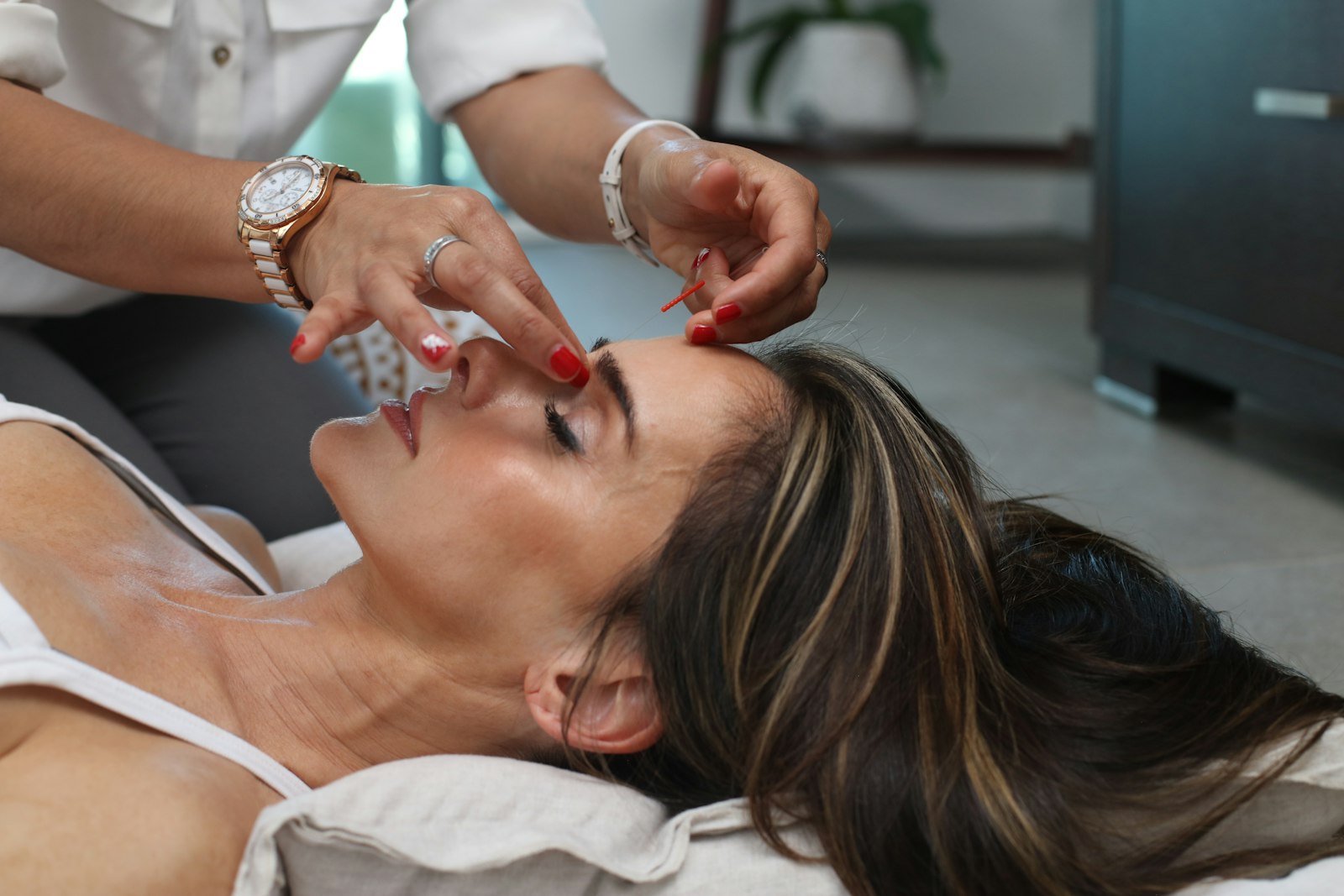
The cornerstone of most TCM retreat programs. Thin, sterile needles are inserted at specific acupoints to regulate qi flow, reduce inflammation, modulate the nervous system, and promote healing. Sessions typically last 30-45 minutes and are administered daily or every other day. Electroacupuncture — where a mild electrical current is applied to the needles — may be used for pain conditions and neurological issues. For a deeper understanding of the treatment, see our complete acupuncture therapy guide.

Herbal Medicine

Customized herbal formulas are prescribed based on your individual TCM diagnosis and adjusted throughout your stay as your condition evolves. Herbs may be delivered as traditional decoctions (boiled herbal teas), concentrated granules dissolved in hot water, or patent pills. A typical retreat formula might contain 8-15 individual herbs, each selected for its specific therapeutic properties and its interactions with the other ingredients. Our herbal medicine guide explains how formulas are designed and what to expect.

Cupping Therapy

Glass or silicone cups are applied to the skin to create suction, promoting blood flow, releasing fascial adhesions, and reducing muscle tension. Cupping is particularly common in detox and pain-management programs. Sessions typically last 10-20 minutes and may leave temporary circular marks that fade within 3-10 days. Read more in our cupping therapy guide.

Moxibustion

Dried mugwort (artemisia vulgaris) is burned near or on specific acupoints to warm the meridians and promote circulation. Moxibustion is especially effective for conditions associated with "cold" patterns in TCM — joint stiffness, digestive weakness, menstrual pain, and fatigue. Our moxibustion therapy guide covers the different techniques and evidence in detail.

Tuina (Chinese Therapeutic Massage)

Tuina is a manual therapy that uses rhythmic pressing, kneading, rolling, and stretching techniques along the meridians and acupoints. Unlike relaxation massage, tuina is therapeutic and can be quite vigorous. It is commonly used for musculoskeletal pain, headaches, digestive disorders, and stress-related tension.

Tai Chi and Qigong

These gentle movement practices combine slow, deliberate movements with deep breathing and mental focus. They are integral to the retreat experience, typically practiced in morning sessions. Research has shown that regular tai chi practice can reduce blood pressure, improve balance and flexibility, decrease anxiety, and enhance immune function (Jahnke et al., 2010).

Dietary Therapy (Shi Liao)

TCM dietary therapy is not simply "healthy eating." It is a systematic approach that classifies foods according to their thermal nature (hot, warm, neutral, cool, cold), flavor (sour, bitter, sweet, pungent, salty), and their affinities for specific organ systems. Your retreat meals are designed to support your individual treatment plan. For example, a patient with a "damp-heat" pattern might receive meals emphasizing bitter greens, mung beans, and barley, while someone with "yang deficiency" might receive warming soups with ginger, lamb, and cinnamon.

Meditation and Breathwork

Many retreats incorporate guided meditation, mindfulness practices, and breathing exercises based on traditional Daoist and Buddhist methods. These practices complement the physical treatments by addressing the mental and emotional dimensions of health — an essential component in TCM's holistic framework.


What Does a Typical Day Look Like?

Daily schedules vary by facility and program type, but here is a representative itinerary for a residential TCM wellness retreat.

TimeActivity
6:30 AMWake up, warm water with ginger or herbal tea
7:00 - 7:45 AMMorning tai chi or qigong session (outdoor, weather permitting)
8:00 AMTherapeutic breakfast (congee, steamed vegetables, herbal porridge)
9:00 - 10:00 AMAcupuncture session with TCM physician
10:30 - 11:00 AMHerbal medicine preparation and consumption
11:00 - 12:00 PMTuina massage or cupping therapy
12:30 PMTherapeutic lunch (balanced according to TCM dietary principles)
1:00 - 2:30 PMRest period (napping is encouraged in TCM for digestive support)
2:30 - 3:30 PMMoxibustion, gua sha, or supplementary treatment session
3:30 - 4:00 PMAfternoon herbal tea
4:00 - 5:00 PMGuided meditation, breathwork, or health education lecture
5:00 - 6:00 PMFree time — walking, journaling, nature exploration
6:00 PMTherapeutic dinner (lighter meal, often soup-based)
7:00 - 8:00 PMEvening qigong, foot soaking with herbal decoction, or free time
9:00 - 9:30 PMLights out (early sleep is strongly encouraged in TCM)

The emphasis on rest and rhythm is deliberate. TCM teaches that the body's organ systems follow a natural daily cycle (the zi wu liu zhu or "body clock"), and aligning your activity, meals, and sleep with this cycle supports the healing process. Most retreats actively discourage excessive phone use, late nights, and stimulating activities during the program.

Understanding the TCM Body Clock

The body clock concept is not merely philosophical — it has practical implications for how your retreat schedule is designed. According to TCM theory, each two-hour period of the day corresponds to the peak activity of a specific organ system:

  • 5:00-7:00 AM — Large Intestine: The ideal time for elimination and hydration. Many retreats begin the day with warm water and gentle movement.
  • 7:00-9:00 AM — Stomach: Peak digestion time, which is why retreat breakfasts are scheduled early and tend to be the most substantial meal.
  • 9:00-11:00 AM — Spleen: The spleen in TCM governs the transformation and transportation of nutrients. This is considered the optimal window for acupuncture and herbal medicine intake.
  • 11:00 AM-1:00 PM — Heart: Midday is associated with the heart and circulation. Lunch is served before the heart's peak, and the post-lunch rest period allows the body to distribute nutrients.
  • 1:00-3:00 PM — Small Intestine: A sorting and separation phase. Retreats schedule the quietest rest period here.
  • 3:00-5:00 PM — Bladder: Detoxification and fluid metabolism. Afternoon herbal teas and gentle movement support this process.
  • 5:00-7:00 PM — Kidney: The kidney system governs vitality and longevity. Evening meals are lighter to avoid taxing digestion during this replenishing phase.
  • 9:00-11:00 PM — Triple Burner (San Jiao): This period governs the body's metabolic balance and thermoregulation. Sleep during this window is considered essential for hormonal repair and immune function.

Modern chronobiology research partially validates this framework. Cortisol, melatonin, growth hormone, and various cytokines follow predictable circadian patterns, and disruptions to these patterns are associated with metabolic dysfunction, impaired immunity, and mood disorders (Sato et al., 2017). By structuring the retreat day around these natural rhythms, TCM programs aim to re-establish circadian alignment — a process that typically requires 3-7 days of consistent practice.

How the Daily Schedule Evolves Over Your Stay

Your retreat schedule is not static. Most programs follow a phased approach:

Phase 1 (Days 1-3): Assessment and Gentle Introduction. Treatments are less intensive as your practitioner observes how your body responds. The initial diagnostic evaluation takes place, and your herbal formula is fine-tuned. Treatment sessions may be shorter, and rest periods longer.

Phase 2 (Days 4-10): Active Treatment. This is the core therapeutic period. Treatment intensity increases, sessions may be longer, and additional modalities (such as moxibustion or electroacupuncture) may be introduced based on your response. This is typically when patients begin reporting noticeable improvements.

Phase 3 (Days 11-14 or 15-21): Consolidation and Transition. Treatment frequency may decrease slightly as the focus shifts to consolidating gains and preparing you for independent maintenance. Your practitioner will begin discussing your post-retreat plan, adjust your herbal formula for take-home use, and ensure you understand the dietary and lifestyle recommendations you will follow at home.


What Conditions Do TCM Retreats Address?

TCM wellness retreats can benefit a wide range of health concerns. The multi-day, multi-modal format is particularly effective for chronic conditions that have not responded fully to single-modality treatment.

Conditions with Strong Evidence for Retreat-Style TCM

Condition CategorySpecific ConditionsEvidence LevelKey Treatments Used
Chronic painLower back pain, osteoarthritis, fibromyalgia, neck painStrong (multiple RCTs, meta-analyses)Acupuncture, tuina, moxibustion, herbal medicine
Stress and mental healthAnxiety, depression, burnout, PTSDModerate to strongAcupuncture, herbal medicine, tai chi, meditation
Sleep disordersChronic insomnia, poor sleep qualityModerate to strongAcupuncture, herbal medicine, lifestyle modification
Digestive disordersIBS, functional dyspepsia, chronic bloating, GERDModerateHerbal medicine, acupuncture, dietary therapy
Women's healthMenstrual disorders, PCOS, menopausal symptoms, fertilityModerateAcupuncture, herbal medicine, moxibustion
Fatigue syndromesChronic fatigue syndrome, post-viral fatigueModerateHerbal medicine, acupuncture, tai chi, dietary therapy
Autoimmune conditionsRheumatoid arthritis, Hashimoto's thyroiditisEmergingAcupuncture, herbal medicine, anti-inflammatory dietary therapy
Metabolic healthType 2 diabetes (adjunctive), metabolic syndromeEmergingHerbal medicine, acupuncture, tai chi, dietary therapy
Skin conditionsEczema, psoriasis, acneModerateHerbal medicine (internal and topical), acupuncture, dietary therapy
Respiratory healthAllergic rhinitis, chronic sinusitis, mild asthmaModerateAcupuncture, herbal medicine, moxibustion

A systematic review of 32 clinical trials found that combined TCM interventions — particularly acupuncture plus herbal medicine — produced significantly greater improvements in chronic pain outcomes than either modality alone, with a combined effect size approximately 35% larger than single-modality treatment (Liang et al., 2019). This synergistic effect is one of the primary arguments for the retreat format, where multiple treatments can be coordinated within a single day.

Who Should Not Attend a TCM Retreat?

While TCM retreats are generally safe, they are not appropriate for everyone. You should consult your physician before attending if you:

  • Are pregnant or planning to become pregnant during the retreat period
  • Have a serious acute illness requiring immediate medical intervention
  • Are taking blood-thinning medications (some TCM treatments may interact)
  • Have a pacemaker or other implanted electronic device (electroacupuncture is contraindicated)
  • Have an active cancer diagnosis (TCM can support cancer care but should be coordinated with your oncology team)
  • Have severe mental health conditions requiring psychiatric supervision
  • Have bleeding disorders or severe thrombocytopenia

How Much Does a TCM Wellness Retreat in China Cost?

Cost is one of the most common questions — and one of the strongest reasons people choose China for their TCM wellness experience. Compared to TCM retreat programs offered in North America, Europe, or Southeast Asia, China-based programs typically offer significantly more treatment hours per dollar, delivered by more experienced practitioners.

Cost Comparison: TCM Retreats by Location

Program FeatureChina (Shanghai/Hangzhou)ThailandBali, IndonesiaUnited StatesEurope (UK/Germany)
7-day basic program$1,800 - $3,500$2,500 - $5,000$2,000 - $4,000$5,000 - $12,000$4,500 - $10,000
14-day comprehensive program$3,500 - $6,500$5,000 - $9,000$4,000 - $7,500$10,000 - $22,000$8,000 - $18,000
21-day intensive program$5,000 - $8,000$7,000 - $12,000$6,000 - $10,000$15,000 - $30,000$12,000 - $25,000
Practitioner training5-8 year TCM medical degree1-4 year TCM certificateVaries widely3-4 year acupuncture degree3-5 year acupuncture degree
Treatments per day3-52-31-31-21-2
Herbal medicine includedYes (custom formulas)SometimesRarelySeparate cost ($200-500/week)Separate cost ($150-400/week)
Accommodation includedMost programsYesYesSome programsSome programs
Meals includedMost programs (therapeutic)YesYesVariesVaries

What's Typically Included in the Price

A comprehensive 14-day TCM retreat program in Shanghai or the surrounding Jiangnan region typically includes:

  • Initial TCM diagnostic consultation (pulse, tongue, full symptom history): 60-90 minutes
  • Daily acupuncture sessions (10-12 sessions total): valued at $40-80 per session individually
  • Custom herbal medicine for the duration of the stay plus 2-4 weeks of take-home formulas: valued at $300-600
  • Cupping and/or moxibustion (6-8 sessions): valued at $30-50 per session individually
  • Tuina massage (5-7 sessions): valued at $40-70 per session individually
  • Daily tai chi or qigong instruction: group sessions
  • Three therapeutic meals daily: designed to your diagnosis
  • Accommodation: private or shared room at the retreat facility
  • Follow-up consultation with treatment summary and recommendations
  • English-language coordination and translation (at international-facing programs)
  • Airport transfer (most programs)

What's Usually Not Included

  • International airfare
  • Travel insurance (strongly recommended)
  • Western medical diagnostic tests (blood work, imaging) if needed — typically $50-300
  • Personal expenses and excursions
  • Extended herbal medicine supply beyond the included follow-up period
  • Visa processing fees

For a comprehensive overview of planning medical and wellness travel to China, including visa requirements and practical logistics, see our medical tourism guide.


How to Choose the Right TCM Retreat

With a growing number of programs available, choosing the right one requires careful evaluation. Here are the key factors to consider.

1. Verify Practitioner Qualifications

This is the single most important factor. In China, qualified TCM physicians hold a degree from a recognized university of Traditional Chinese Medicine — a program that typically requires 5 years of undergraduate study plus clinical internship, or 8 years for combined bachelor's/master's programs. Look for:

  • Practitioners with degrees from recognized TCM universities (Shanghai University of TCM, Beijing University of Chinese Medicine, Nanjing University of Chinese Medicine, Chengdu University of TCM, and Guangzhou University of Chinese Medicine are among the most respected)
  • Hospital affiliations or clinical experience at tertiary-level TCM hospitals
  • Specific expertise in your primary condition

2. Assess the Treatment Protocol

A legitimate retreat should provide a clear description of what treatments are included and how they are structured. Be cautious of programs that:

  • Offer only vague descriptions ("holistic healing experience" without specific modalities)
  • Rely primarily on relaxation services (massage, aromatherapy) with minimal actual TCM treatment
  • Do not include an individualized diagnostic consultation
  • Do not mention herbal medicine as part of the program (herbal medicine is central to TCM)

3. Look for Individualization

Generic, one-size-fits-all programs are a red flag. In authentic TCM practice, every patient receives an individualized diagnosis and treatment plan. Even within a group retreat setting, your acupuncture point selections, herbal formulas, and dietary recommendations should be tailored to your specific pattern diagnosis.

4. Evaluate Language Support

Unless you speak Mandarin, you will need reliable language support throughout your stay. This means more than just a bilingual receptionist — the person translating during your medical consultations must understand TCM terminology and be able to accurately convey nuance in both directions. At hospital-based programs in Shanghai, international patient departments typically employ trained medical interpreters.

5. Consider Location and Setting

The location of your retreat affects the overall experience significantly:

  • Shanghai and major cities — best for hospital-based programs, access to Western medical facilities if needed, easy international transport connections, cultural attractions during free time
  • Hangzhou, Suzhou, and the Jiangnan region — scenic settings with strong TCM traditions, moderate climate, proximity to Shanghai (1-2 hours by high-speed rail)
  • Yunnan and Sichuan — mountain settings, unique biodiversity of medicinal herbs, traditional minority medicine traditions, more remote
  • Hainan — tropical climate, coastal settings, growing wellness tourism infrastructure

6. Check Reviews and References

Ask for references from previous international participants. Look for reviews that mention specific treatment outcomes, not just accommodation quality. A genuine TCM retreat should be able to connect you with former patients who are willing to share their experiences.


What to Expect Before, During, and After Your Retreat

Before Your Retreat

4-8 weeks before departure:

  • Complete any pre-retreat health questionnaires provided by the facility
  • Gather your medical records, including recent blood work, imaging results, and a list of current medications and supplements
  • Consult your home physician about your plans, especially if you take prescription medications
  • Arrange travel insurance that covers medical treatment abroad
  • Apply for your China visa (see our China medical visa guide for the process)
  • Begin reducing caffeine, alcohol, and processed food intake gradually — this makes the transition to the retreat diet easier

1-2 weeks before departure:

  • Confirm all travel arrangements and transfers
  • Pack comfortable, loose-fitting clothing suitable for tai chi and acupuncture sessions
  • Bring any medications you currently take in their original packaging with a doctor's letter
  • Download a translation app and basic Mandarin phrases
  • Set expectations with work and family — you will benefit most from minimizing outside obligations

During Your Retreat

The first 2-3 days:

This is the adjustment period. You may experience:

  • Fatigue as your body begins to shift out of its habitual stress patterns
  • Mild digestive changes as you adapt to the therapeutic diet
  • Emotional release — it is common for patients to feel unexpectedly emotional during the first few days of intensive TCM treatment, particularly during acupuncture sessions
  • Initial worsening of some symptoms before improvement (known in TCM as ming xuan fan ying or "healing crisis") — this is generally considered a positive sign but should be reported to your practitioner

Days 4-7:

Most patients begin to notice meaningful changes during this period:

  • Improved sleep quality (often one of the first measurable improvements)
  • Reduced pain levels
  • Better digestion and appetite regulation
  • Increased energy
  • Greater mental clarity and emotional stability

Days 7-14 (and beyond):

Deeper, more sustained improvements typically emerge:

  • Cumulative reduction in chronic pain
  • Stabilization of mood and stress response
  • Improved biomarkers (patients undergoing longer programs with mid-stay blood work often show improvements in inflammatory markers, blood sugar regulation, and liver function)
  • Greater body awareness and sensitivity to treatment
  • Practitioners often adjust your herbal formula and treatment protocol during this phase as your pattern evolves

After Your Retreat

The benefits of a TCM retreat do not end when you leave. However, maintaining those benefits requires active follow-through.

Immediately after (first 2-4 weeks):

  • Continue taking any herbal formulas prescribed for the post-retreat period
  • Maintain the dietary principles you learned during the retreat
  • Continue daily tai chi or qigong practice (even 15-20 minutes makes a difference)
  • Prioritize sleep hygiene — maintain the early bedtime and wake time from the retreat
  • Avoid immediately returning to high-stress patterns if possible

Long-term maintenance:

  • Find a qualified TCM practitioner near your home for follow-up acupuncture sessions (monthly or as recommended)
  • Request that your retreat physician provide a treatment summary and recommendations that you can share with your home practitioner
  • Continue herbal medicine as directed — many retreat programs offer remote consultation and herbal formula shipping for ongoing support
  • Schedule a follow-up retreat annually or semi-annually if you are managing a chronic condition
  • Track your symptoms over time to identify patterns and share with your practitioners

A longitudinal study of patients who completed 14-day TCM retreat programs found that those who maintained at least two of the core practices (tai chi, dietary modification, or continued herbal medicine) at the 6-month follow-up retained 70-80% of their treatment gains, compared to only 30-40% retention among those who discontinued all practices (Chen et al., 2020).


The Science Behind Multi-Modal TCM Treatment

Understanding why the retreat format works requires looking at the research on combined TCM interventions.

Synergistic Treatment Effects

One of the central insights from modern TCM research is that the combination of multiple treatment modalities produces effects greater than the sum of their individual parts. This is consistent with TCM's own theoretical framework, which has always emphasized the coordinated use of acupuncture, herbal medicine, dietary therapy, and exercise as a unified system.

A randomized controlled trial involving 240 patients with chronic lower back pain compared four groups: acupuncture alone, herbal medicine alone, combined acupuncture and herbal medicine, and a control group. The combined treatment group showed 47% greater pain reduction than the acupuncture-only group and 38% greater reduction than the herbal medicine-only group at the 12-week follow-up (Zhang et al., 2018).

Neuroplasticity and Extended Treatment

The retreat format provides extended, daily treatment over 1-3 weeks — a duration that aligns with what neuroscience research tells us about neuroplastic change. Functional MRI studies have demonstrated that repeated acupuncture sessions produce cumulative changes in brain connectivity patterns, particularly in the default mode network and pain-processing regions, that are not observed after a single session (Li et al., 2021).

This suggests that the retreat model — where treatments are delivered daily over an extended period — may be more effective at producing lasting neurological changes than the more typical Western pattern of weekly acupuncture appointments spread over months.

Stress Physiology and Immersive Treatment

Removing a patient from their habitual environment and daily stressors has its own therapeutic value, but the TCM retreat model goes further by actively modulating the stress response through multiple pathways simultaneously:

  • Acupuncture regulates the hypothalamic-pituitary-adrenal (HPA) axis, reducing cortisol output
  • Herbal adaptogenic formulas support adrenal function and stress resilience
  • Tai chi and qigong activate the parasympathetic nervous system
  • Therapeutic diet eliminates pro-inflammatory foods and supports gut-brain axis health
  • Sleep optimization restores circadian rhythm and growth hormone secretion
  • Meditation reduces amygdala reactivity and promotes prefrontal cortex engagement

A meta-analysis of 18 studies on mind-body interventions (including tai chi and qigong) found significant reductions in cortisol levels, C-reactive protein, and inflammatory cytokines, with effect sizes that increased with program duration (Pascoe et al., 2017).


TCM Retreat Programs in Shanghai

Shanghai is the most accessible destination for international visitors seeking TCM wellness retreats, combining world-class medical infrastructure with practical conveniences for English-speaking travelers.

Why Shanghai?

  • Home to two of China's top-ranked TCM universities — Shanghai University of TCM and its affiliated hospitals represent some of the highest standards of TCM education, research, and clinical practice in the country
  • International accessibility — direct flights from most major global cities, excellent public transportation, widespread English signage and services
  • Integrated medical infrastructure — if a Western medical consultation or diagnostic test is needed during your retreat, Shanghai's international hospitals are readily available (see our guide to Shanghai hospitals)
  • Cultural richness — the city offers extraordinary cultural experiences during your free time, from the classical gardens of the Old City to the contemporary art scene of the West Bund

What to Look for in a Shanghai-Based Program

When evaluating Shanghai TCM retreat programs, prioritize:

  • Hospital affiliation — programs connected to Shanghai University of TCM's teaching hospitals (Shuguang, Longhua, Yueyang) offer access to senior practitioners with decades of clinical experience
  • International patient services — dedicated departments with English-speaking staff, medical interpreters, and experience handling international insurance documentation
  • Transparent pricing — clear breakdown of what is included and any potential additional costs
  • Post-retreat support — the ability to continue consultations remotely and receive herbal formula shipments after you return home

OriEast works directly with Shanghai's leading TCM institutions to arrange structured retreat programs for international patients. Our team handles appointment scheduling, translation, accommodation coordination, and logistics, allowing you to focus entirely on your treatment. Learn more about our TCM services in Shanghai.


Practical Planning Guide

Visa Requirements

Most international visitors to China require a visa. For a TCM wellness retreat, you will typically apply for either:

  • Tourist visa (L visa) — suitable for retreats at non-hospital facilities or shorter programs
  • Medical visa (M visa) — appropriate for hospital-based treatment programs, especially longer stays

Processing times vary by nationality and embassy location. We strongly recommend beginning the visa application process at least 6-8 weeks before your planned departure. Our China medical visa guide provides a detailed walkthrough.

Best Time to Visit

China's climate varies dramatically by region, but for Shanghai and the surrounding area:

  • March to May (Spring) — Pleasant temperatures (15-25°C / 59-77°F), moderate humidity. An excellent time for a retreat.
  • September to November (Autumn) — Similar to spring with comfortable temperatures and lower humidity. The most popular season for wellness tourism.
  • June to August (Summer) — Hot and humid in Shanghai (30-38°C / 86-100°F). Manageable for indoor programs but less pleasant for outdoor tai chi sessions.
  • December to February (Winter) — Cool to cold (2-10°C / 36-50°F). Fewer tourists, potential cost savings. Indoor programs are unaffected.

Travel Insurance

Purchase comprehensive travel insurance that includes:

  • Coverage for medical treatment abroad (including TCM treatments if possible)
  • Emergency medical evacuation
  • Trip cancellation and interruption
  • Coverage for the full duration of your retreat plus travel days

What to Pack

  • Comfortable, loose-fitting clothing for tai chi and treatment sessions (think cotton or linen)
  • Comfortable walking shoes
  • Light layers (temperatures vary between indoor and outdoor spaces)
  • Your own supplements or medications in original packaging with prescriptions
  • A notebook or journal (many patients find it valuable to record their daily experiences and symptoms)
  • Basic toiletries (retreat facilities provide essentials, but personal preferences matter)
  • Power adapter for China (Type A, C, or I outlets)
  • Small amount of Chinese yuan (RMB) for incidentals — most places accept WeChat Pay and Alipay, but having cash is prudent

Frequently Asked Questions

Do I need to speak Chinese to attend a TCM retreat?

No. Programs that accept international patients provide English-language support, including medical interpreters during consultations. However, the quality of interpretation varies significantly between facilities. Hospital-based programs in Shanghai typically offer the most reliable language support. Working with a medical tourism coordinator like OriEast ensures consistent translation throughout your stay.

Is a TCM retreat covered by health insurance?

Coverage varies widely by insurer and policy. Most standard health insurance plans do not cover wellness retreats abroad. However, some comprehensive international health plans and supplemental wellness policies may reimburse a portion of treatment costs, particularly for acupuncture (which is covered by many insurers as a standalone treatment). Request itemized receipts and a detailed treatment report from your retreat to support any claims.

How long should my retreat be?

The ideal duration depends on your condition and goals. As a general guide:

  • 7 days — sufficient for stress relief, general wellness, and minor complaints. Provides a meaningful introduction to TCM but limited time for deeper therapeutic change.
  • 10-14 days — the most popular duration. Allows enough time for a full diagnostic evaluation, treatment adjustment, and measurable progress on most conditions.
  • 21 days — recommended for chronic or complex conditions, deep stress recovery, or patients who want a thorough transformation. Research suggests that 3 weeks of daily treatment produces the most durable outcomes.

Are TCM treatments safe?

When administered by qualified practitioners using sterile equipment, TCM treatments have an excellent safety profile. Acupuncture is recognized by the WHO as a safe treatment when performed by trained professionals. Side effects are generally mild — temporary soreness at needle sites, mild fatigue after treatment, or minor bruising from cupping. Serious adverse events are extremely rare in properly supervised settings. A review of over 200,000 acupuncture treatments found a serious adverse event rate of less than 0.01% (Xu et al., 2013).

Can I combine a TCM retreat with sightseeing?

Yes, and many patients do, particularly with longer programs that include free afternoons or scheduled rest days. Shanghai offers extraordinary cultural experiences — the Bund, Yu Garden, Jing'an Temple, the French Concession, and world-class museums. Some retreat programs build in structured cultural excursions as part of the wellness experience. However, we recommend prioritizing rest and treatment during the core program period. Save intensive sightseeing for before or after your retreat.

What should I eat before arriving?

In the 1-2 weeks before your retreat, gradually reduce consumption of processed foods, refined sugar, caffeine, and alcohol. Increase your intake of vegetables, whole grains, and easily digestible proteins. This pre-retreat dietary transition makes the adjustment to therapeutic meals significantly easier and may reduce the likelihood of a "healing crisis" during the first few days.

Can I continue my regular medications during the retreat?

Yes, and you should not stop any prescribed medication without your doctor's approval. Bring all medications in their original packaging with a doctor's letter. Your TCM physician will review your medication list during the initial consultation to ensure there are no interactions between your prescribed drugs and any herbal formulas. In some cases, herbal medicine may need to be adjusted to avoid potential interactions, particularly with blood thinners, immunosuppressants, or hormone-based medications.

How do I get started with planning a TCM retreat?

Begin by identifying your primary health goals and preferred timeframe. Consult our medical tourism guide for a comprehensive overview of planning medical travel to China. You can also contact OriEast directly for a free initial consultation — our team will assess your needs, recommend appropriate programs and facilities, and handle all coordination from visa support to airport transfers.


The Future of TCM Wellness Tourism

TCM wellness tourism in China is evolving rapidly. Several trends are shaping the next generation of retreat experiences:

Integration with modern diagnostics. Leading programs are increasingly combining TCM diagnosis with Western biomarker testing — offering patients pre- and post-retreat blood panels, microbiome analysis, and functional medicine assessments alongside traditional pulse and tongue diagnosis. This "best of both worlds" approach provides objective measures of treatment progress.

Telemedicine follow-up. Digital health platforms now enable retreat participants to continue consultations with their TCM physician remotely after returning home. Herbal formula adjustments, dietary guidance, and treatment monitoring can be maintained over video calls, extending the value of the initial retreat investment.

Personalized herbal genomics. Emerging research is exploring how individual genetic variations affect responses to specific herbal compounds, potentially allowing future retreat programs to tailor herbal formulas with pharmacogenomic precision.

Government support. The Chinese government has identified TCM health tourism as a strategic priority, investing in infrastructure, quality standards, and international marketing. New regulations are raising the bar for facilities that market to international visitors, which benefits consumers through higher and more consistent standards.

Condition-specific retreat certification. Industry bodies are developing standardized protocols for condition-specific retreats, such as chronic pain management, fertility support, and stress recovery programs. These certifications will make it easier for international visitors to compare programs and verify that a facility meets established clinical benchmarks.

Wearable-integrated programs. Some forward-looking retreat centers are incorporating wearable health trackers to monitor sleep quality, heart rate variability, stress levels, and activity patterns throughout the program. This data provides both the patient and practitioner with objective, real-time feedback on treatment progress — bridging the gap between TCM's subjective diagnostic methods and modern quantitative health monitoring.


Real-World Patient Outcomes: What the Data Shows

While individual results vary, aggregated outcome data from TCM retreat programs provides useful benchmarks for setting expectations.

Pain Management Outcomes

Patients entering TCM retreats with chronic pain conditions (lower back pain, osteoarthritis, fibromyalgia, chronic headaches) typically report the following trajectory:

  • Baseline pain score (day 1): Average 6.5-7.5 on a 10-point visual analog scale (VAS)
  • Mid-program (day 7): Average reduction to 4.0-5.0 (approximately 30-40% improvement)
  • End of program (day 14-21): Average reduction to 2.5-3.5 (approximately 50-60% improvement)
  • 3-month follow-up (with maintenance): Average 3.0-4.0 (approximately 40-50% sustained improvement)

These figures are consistent with published research on multi-modal TCM interventions for chronic pain. A pooled analysis of outcomes from Chinese TCM hospitals found that combined acupuncture-herbal medicine protocols produced clinically meaningful pain reduction (defined as greater than 30% improvement) in 72% of chronic pain patients at the end of a 14-day treatment course (Sun et al., 2020).

Sleep Quality Outcomes

Sleep improvement is one of the most consistent benefits reported by retreat participants. Using the Pittsburgh Sleep Quality Index (PSQI), a validated measure of sleep quality:

  • Baseline PSQI score: Average 12-14 (indicating poor sleep quality; scores above 5 indicate clinical sleep difficulty)
  • End of program: Average 5-7 (a 45-55% improvement, often crossing the threshold into "normal" sleep quality)
  • 6-month follow-up (with maintenance practices): Average 6-8 (sustained improvement, though some regression is common without continued tai chi and herbal support)

Stress and Mental Health Outcomes

Retreat participants presenting with stress-related complaints show measurable improvements across multiple validated instruments:

  • Perceived Stress Scale (PSS): Average 35-45% reduction by end of program
  • Generalized Anxiety Disorder (GAD-7): Average 40-50% reduction in scores
  • Patient Health Questionnaire (PHQ-9) for depression: Average 30-40% improvement
  • Salivary cortisol levels: 20-35% reduction in morning cortisol levels by day 14

These outcomes are supported by a systematic review of TCM interventions for anxiety disorders, which found that acupuncture combined with herbal medicine produced response rates comparable to first-line pharmaceutical treatments (SSRIs), with significantly fewer side effects (Guo et al., 2022).


Summary: Is a TCM Wellness Retreat in China Right for You?

A TCM wellness retreat in China offers something that no other wellness travel experience can match — access to the world's deepest and most mature tradition of holistic medicine, delivered by practitioners who trained at the source, at costs significantly lower than comparable programs in Western countries.

Consider a TCM retreat if you:

  • Have a chronic health condition that has not responded fully to conventional treatment
  • Are looking for a structured approach to stress recovery and burnout prevention
  • Want to experience TCM as an integrated system rather than isolated treatments
  • Are interested in combining medical treatment with a meaningful cultural experience
  • Value evidence-based approaches and want practitioners with rigorous medical training
  • Are open to a comprehensive lifestyle approach that includes diet, movement, and mindfulness alongside clinical treatment

The investment — in time, cost, and commitment — is real. But for many patients, a well-chosen TCM retreat represents a turning point: the beginning of a fundamentally different relationship with their own health.


Medical Disclaimer: This article is provided for informational purposes only and does not constitute medical advice, diagnosis, or treatment. Always consult with a qualified healthcare provider before beginning any new treatment program, including TCM therapies. The information presented here is based on currently available research and clinical practice guidelines, but medical knowledge evolves continuously. Individual results from TCM treatments may vary. Some TCM therapies may interact with prescription medications — discuss all treatments with your primary care physician. OriEast facilitates access to healthcare services but does not provide direct medical care.

Next step

If this topic is relevant to your treatment or travel plan, these pages are the best next place to continue.