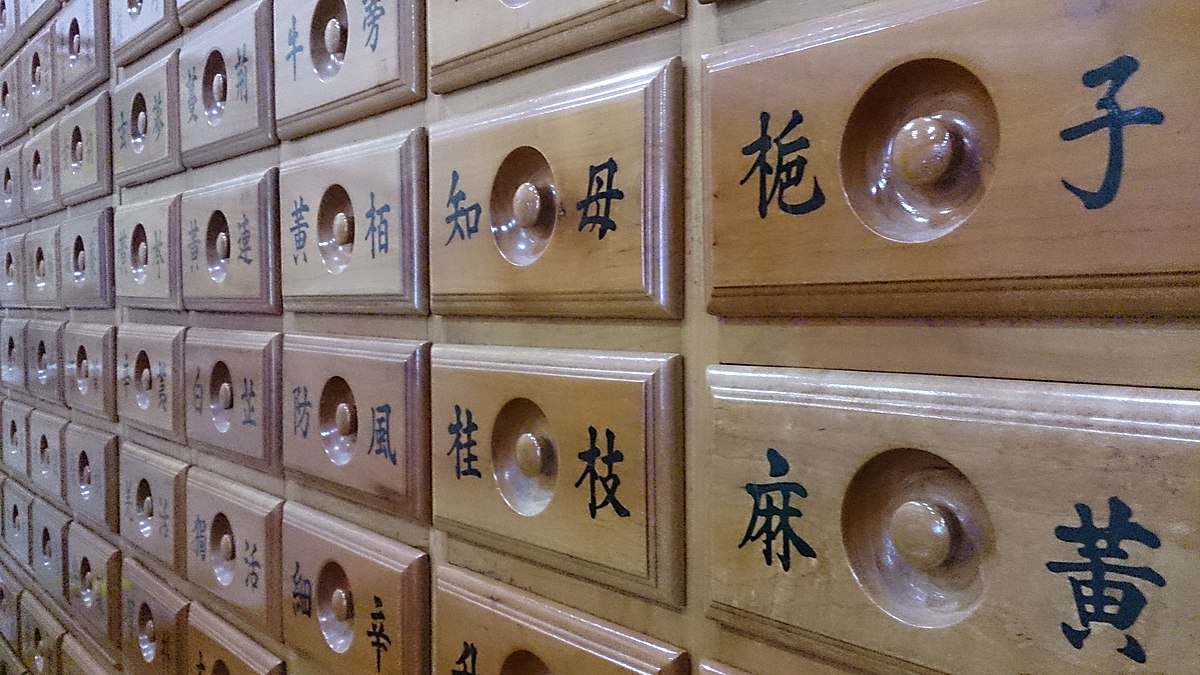
TCM for Digestive Health: How Chinese Medicine Treats IBS, Gastritis & Gut Issues
Digestive disorders are among the most common reasons people seek medical care worldwide. Irritable bowel syndrome (IBS) alone affects an estimated 10–15% of the global population — roughly 800 million to 1.2 billion people. Gastritis, functional dyspepsia, acid reflux (GERD), chronic bloating, and inflammatory bowel conditions collectively represent an enormous burden of chronic discomfort that conventional medicine often manages rather than resolves.
If you have been cycling through antacids, proton pump inhibitors, antispasmodics, and dietary restrictions without lasting improvement, you are not alone. And you may be wondering whether traditional Chinese medicine (TCM) — a system that has treated digestive complaints as a core clinical discipline for over 2,000 years — can offer something different.
The answer, based on a growing body of clinical evidence, is that TCM approaches to digestive health can provide meaningful relief for many patients, particularly when used alongside or after conventional treatment has been optimized. This is not about choosing between Western gastroenterology and Chinese medicine. It is about understanding what each system does well and combining them intelligently.
Below, we look at the TCM approach to digestive disorders, the clinical evidence for specific treatments, what a treatment course in China looks like, and how to decide whether TCM digestive care is worth pursuing.
For general information on TCM treatment in China, see our acupuncture therapy guide and Chinese herbal medicine guide.
How TCM Understands Digestive Health
Western gastroenterology focuses on structural and biochemical explanations: acid production, mucosal integrity, motility patterns, the gut microbiome, and visceral hypersensitivity. These are powerful frameworks that have produced effective treatments for many conditions.
TCM approaches digestion through a different — but not contradictory — lens. The central concept is that digestive function depends on the coordinated activity of two organ systems:
The Spleen-Stomach System (脾胃)
In TCM theory, the "Spleen" (脾) is responsible for transforming food into usable energy (气, qi) and transporting nutrients throughout the body. The "Stomach" (胃) receives food and initiates the breakdown process. When this system functions well, digestion is smooth, energy is stable, and the body absorbs nutrients efficiently.
When the Spleen-Stomach system is weakened — by poor diet, stress, overwork, chronic illness, or constitutional factors — a cascade of symptoms follows: bloating, loose stools, fatigue after eating, poor appetite, heaviness in the limbs, and a tendency to develop "dampness" (湿) — a TCM concept that maps loosely onto inflammation, fluid retention, and sluggish metabolism.
The Liver-Spleen Relationship (肝脾)
TCM recognizes that emotional stress directly affects digestion — a connection that Western medicine has validated through the gut-brain axis and the role of the autonomic nervous system in gut motility. In TCM terms, the "Liver" (肝) governs the smooth flow of qi. When stress causes "Liver qi stagnation" (肝气郁结), it disrupts the Spleen-Stomach function, producing symptoms like abdominal pain that worsens with stress, alternating constipation and diarrhea, belching, acid reflux, and a sensation of a lump in the throat.
This pattern — Liver overacting on the Spleen — is the TCM explanation for what Western medicine calls stress-related IBS, functional dyspepsia, and psychosomatic digestive symptoms. The therapeutic approach addresses both the stress component and the digestive weakness simultaneously.
What the Evidence Says
The clinical evidence for TCM digestive treatments has matured significantly over the past decade. Here is what the research shows for the most common conditions:
Irritable Bowel Syndrome (IBS)
IBS is arguably the condition where TCM has the strongest evidence base in digestive health.
Acupuncture for IBS:
- A 2020 Cochrane-style systematic review in Alimentary Pharmacology & Therapeutics analyzed 41 RCTs involving 3,440 IBS patients and found that acupuncture produced statistically significant improvements in global IBS symptoms compared to sham acupuncture and pharmacotherapy (Manheimer et al., 2012 — updated through 2020).
- A 2023 meta-analysis in Frontiers in Medicine including 28 RCTs found that acupuncture reduced IBS Severity Scoring System (IBS-SSS) scores by an average of 75 points more than sham acupuncture — a clinically meaningful difference.
- The British Society of Gastroenterology's 2021 IBS guidelines include acupuncture as a treatment option for patients who do not respond to first-line therapies.
Chinese Herbal Medicine for IBS:
- A 2023 systematic review in Phytomedicine analyzed 32 RCTs and found that Chinese herbal formulas significantly improved IBS global symptoms (RR 1.47, 95% CI 1.33–1.63) and individual symptoms including abdominal pain, bloating, and stool consistency compared to conventional medications.
- The most commonly studied formulas include Tong Xie Yao Fang (痛泻要方, for IBS-D with stress component), Shen Ling Bai Zhu San (参苓白术散, for IBS-D with Spleen deficiency), and Ban Xia Xie Xin Tang (半夏泻心汤, for mixed IBS).
Functional Dyspepsia
Functional dyspepsia — persistent upper abdominal discomfort, early satiety, bloating, and nausea without structural cause — is a condition where conventional treatment options are limited.
Acupuncture:
- A 2022 multicenter RCT published in Annals of Internal Medicine (one of the highest-impact general medical journals) enrolled 278 patients and found that acupuncture at the Zusanli point (ST36) produced significantly greater improvement in dyspepsia symptoms compared to sham acupuncture, with effects lasting at least 12 weeks after treatment ended (Ma et al., 2022).
- This study was notable because it was published in a top-tier Western medical journal, used rigorous methodology, and demonstrated clear superiority over sham treatment.
Herbal Medicine:
- Liu Jun Zi Tang (六君子汤), a classic TCM formula for Spleen deficiency with dampness, has been extensively studied in Japan (where it is called Rikkunshito) and is approved as a prescription drug for functional dyspepsia by Japan's Ministry of Health. Multiple RCTs demonstrate its efficacy in improving gastric motility, reducing nausea, and increasing appetite.
Gastritis and GERD
Chronic Gastritis:
- A 2021 meta-analysis in Evidence-Based Complementary and Alternative Medicine found that integrated TCM-Western treatment for chronic atrophic gastritis produced significantly better histological improvement (reduced atrophy and intestinal metaplasia) compared to Western treatment alone.
- Wei Bi Tang (萎痹汤) and Huang Qi Jian Zhong Tang (黄芪建中汤) are among the formulas with clinical trial support for chronic gastritis.
Acid Reflux (GERD):
- A 2022 systematic review in BMC Complementary Medicine found that acupuncture combined with proton pump inhibitors (PPIs) was more effective than PPIs alone in reducing GERD symptoms and allowing successful PPI dose reduction.
- For patients trying to wean off long-term PPI use — a common clinical challenge — TCM may offer a bridge therapy that manages symptoms during the transition.
Inflammatory Bowel Disease (IBD)
The evidence for TCM in IBD (Crohn's disease and ulcerative colitis) is less mature but growing:
- Moxibustion has shown promise as an adjunct therapy for ulcerative colitis. A 2021 RCT in Medicine found that moxibustion combined with mesalazine produced better clinical remission rates than mesalazine alone.
- Herbal enema formulas are used in some Chinese hospitals for distal ulcerative colitis, with preliminary evidence of mucosal healing benefits.
TCM Treatments for Digestive Health: What They Involve
Acupuncture
For digestive disorders, acupuncture treatment typically targets a combination of points along the Stomach, Spleen, Liver, and Large Intestine meridians. Key points include:
- Zusanli (ST36) — the single most important point for digestive health. Located below the knee, it is used for virtually every digestive complaint and has the strongest evidence base.
- Zhongwan (CV12) — the front-mu point of the Stomach, located on the upper abdomen. Used for stomach pain, nausea, and bloating.
- Tianshu (ST25) — level with the navel, used for both constipation and diarrhea, and extensively studied for IBS.
- Taichong (LR3) — on the foot, the primary point for relieving Liver qi stagnation (stress-related digestive symptoms).
- Neiguan (PC6) — on the inner wrist, well-established for nausea (including chemotherapy-induced nausea, motion sickness, and postoperative nausea).
A typical treatment course involves 3 sessions per week for 4–6 weeks, with each session lasting 25–30 minutes. Many patients report improvement within the first 2–3 sessions, with progressive benefits over the full course.
Chinese Herbal Medicine
Herbal treatment for digestive disorders is highly individualized. Unlike Western medicine, where the same drug is prescribed for everyone with the same diagnosis, TCM herbal formulas are tailored to the patient's specific pattern of disharmony.
Common digestive formulas and their indications:
| Formula | Chinese Name | Primary Indication |
|---|---|---|
| Tong Xie Yao Fang | 痛泻要方 | IBS-D with stress/emotional trigger |
| Shen Ling Bai Zhu San | 参苓白术散 | Chronic diarrhea, poor appetite, fatigue (Spleen deficiency) |
| Ban Xia Xie Xin Tang | 半夏泻心汤 | Epigastric fullness, nausea, mixed diarrhea/constipation |
| Liu Jun Zi Tang | 六君子汤 | Functional dyspepsia, poor appetite, bloating |
| Xiang Sha Liu Jun Zi Tang | 香砂六君子汤 | Dyspepsia with qi stagnation and dampness |
| Si Ni San | 四逆散 | Stress-related stomach pain, IBS with anxiety |
| Huang Qi Jian Zhong Tang | 黄芪建中汤 | Chronic gastritis, stomach weakness |
| Zuo Jin Wan | 左金丸 | Acid reflux, bitter taste, Liver-Stomach disharmony |
A TCM physician will select and modify a base formula based on your symptoms, tongue appearance, pulse quality, and overall constitution. The formula is typically adjusted every 1–2 weeks as symptoms change.
Moxibustion
Moxibustion involves burning dried mugwort (Artemisia vulgaris) near specific acupuncture points to generate warmth. For digestive conditions, it is particularly useful for:
- Chronic diarrhea with cold-type symptoms (loose stools, cold abdomen, preference for warm food)
- Spleen deficiency patterns (fatigue, bloating, poor appetite)
- Ulcerative colitis (adjunct therapy)
Moxibustion is often combined with acupuncture in the same session.
Dietary Therapy (食疗)
TCM dietary therapy goes beyond "eat more fiber" or "avoid trigger foods." It classifies foods by their thermal nature (cold, cool, neutral, warm, hot) and their effects on specific organ systems. For example:
- Spleen deficiency (chronic loose stools, fatigue): Emphasize warm, cooked foods. Avoid raw vegetables, cold drinks, dairy, and excessive wheat. Include congee (rice porridge), ginger, Chinese dates, sweet potato, and cooked root vegetables.
- Liver qi stagnation (stress-related symptoms): Include foods that gently promote qi flow — mint tea, citrus peel, turmeric, leafy greens. Avoid excessive alcohol and greasy food.
- Stomach heat (acid reflux, burning sensation): Include cooling foods — mung beans, winter melon, pear, lotus root. Avoid spicy food, coffee, and alcohol.
A TCM physician will provide specific dietary recommendations as part of the treatment plan.
What a TCM Digestive Treatment Course in China Looks Like
Initial Consultation (Day 1)
A comprehensive TCM digestive consultation in China is thorough and often surprising to Western patients in its detail. It typically includes:
- Detailed symptom history: Not just "do you have bloating?" but when it occurs, what makes it better or worse, its relationship to meals, stress, sleep, and menstruation (for women).
- Tongue diagnosis: The tongue is a key diagnostic tool in TCM. Its color, coating, shape, and moisture pattern provide information about digestive function, heat/cold patterns, and fluid metabolism.
- Pulse diagnosis: TCM pulse diagnosis involves assessing the pulse at three positions on each wrist, evaluating depth, speed, strength, and quality. An experienced practitioner can derive surprisingly specific information about organ function from pulse assessment.
- Abdominal palpation: Checking for tenderness, temperature, and tension patterns in different abdominal regions.
Based on this assessment, the physician identifies your TCM pattern (辨证) and creates a treatment plan combining acupuncture, herbal medicine, and dietary therapy.
Treatment Phase (Weeks 1–4)
A typical course for a digestive complaint:
- Acupuncture: 3 sessions per week, 25–30 minutes each
- Herbal medicine: Daily formula (usually decocted or in granule form), adjusted every 1–2 weeks
- Moxibustion: 2–3 sessions per week if indicated
- Dietary counseling: Provided at initial consultation and adjusted as needed
Most patients begin to notice changes within the first week — often improved appetite, reduced bloating, or more regular bowel movements. Significant improvement typically occurs by weeks 2–4.
Maintenance Phase
After the initial intensive treatment, many patients continue with herbal medicine remotely. Chinese herbal pharmacies can ship granule formulas internationally, and follow-up consultations can be conducted via telemedicine. This allows you to return home after 2–4 weeks in China and continue treatment for several months.
Cost of TCM Digestive Treatment in China
| Service | Cost (USD) |
|---|---|
| Initial TCM consultation (specialist) | $30–$80 |
| Acupuncture session | $15–$40 |
| Herbal formula (2-week supply, granules) | $30–$100 |
| Moxibustion session | $10–$30 |
| 4-week intensive treatment course (total) | $800–$2,000 |
For comparison, a single gastroenterology consultation in the US costs $200–$500, and a course of specialized IBS treatment (e.g., rifaximin for IBS-D) costs $1,500–$2,000 for the medication alone.
Total Trip Cost Example
A patient traveling from the US to Shanghai for 3 weeks of intensive TCM digestive treatment:
| Item | Cost (USD) |
|---|---|
| TCM treatment (3 weeks) | $600–$1,500 |
| Round-trip flight | $600–$1,000 |
| Accommodation (21 nights) | $840–$2,100 |
| Local expenses | $400–$600 |
| Total | $2,440–$5,200 |
Many patients combine their TCM digestive treatment with other healthcare services — a comprehensive health checkup, dental work, or treatment for other conditions — making the trip more cost-efficient.
Where to Get TCM Digestive Treatment in China
Shanghai
- Longhua Hospital (龙华医院) — affiliated with Shanghai University of TCM. One of China's top TCM hospitals with a dedicated gastroenterology department.
- Shuguang Hospital (曙光医院) — another leading TCM hospital in Shanghai with strong digestive disease specialization.
- Both hospitals have international patient services and experience treating foreign patients.
Beijing
- Dongzhimen Hospital (东直门医院) — affiliated with Beijing University of Chinese Medicine. Strong gastroenterology and TCM integration research.
- Xiyuan Hospital (西苑医院) — China Academy of Chinese Medical Sciences. Known for TCM digestive disease research.
Guangzhou
- Guangdong Provincial Hospital of Chinese Medicine (广东省中医院) — one of the largest TCM hospitals in China with extensive digestive disease expertise and a dedicated international patient center.
Who Benefits Most from TCM Digestive Treatment?
Based on the evidence and clinical experience, TCM digestive treatment tends to work best for:
Strong Candidates
- IBS patients who have not responded adequately to dietary changes, fiber supplements, and first-line medications
- Functional dyspepsia patients with persistent symptoms despite PPI trials and H. pylori eradication
- Chronic gastritis patients looking for adjunct treatment to support mucosal healing
- Patients with stress-related digestive symptoms — the TCM framework for treating the mind-gut connection is particularly well-developed
- Patients trying to reduce long-term medication use (e.g., weaning off PPIs, reducing antispasmodic dependence)
Less Clear Benefit
- Acute gastrointestinal infections — antibiotics and supportive care are appropriate
- Severe IBD flares — biologics and immunosuppressants should not be replaced by TCM
- Structural problems (strictures, polyps, tumors) — these require surgical or endoscopic management
Important Note
TCM digestive treatment works best when your Western diagnosis is clear. Before pursuing TCM, ensure you have had appropriate workup — including endoscopy if indicated, celiac disease screening, and stool testing — to rule out conditions that require specific medical treatment.
Frequently Asked Questions
How quickly does TCM work for digestive problems?
Most patients notice initial changes within 5–7 days of starting treatment — typically improved appetite, reduced bloating, or more predictable bowel habits. More substantial improvement usually occurs over 2–6 weeks. Chronic conditions (years of symptoms) may require 2–3 months of treatment for lasting results.
Are Chinese herbal formulas safe?
When prescribed by a qualified TCM physician at a licensed hospital, Chinese herbal formulas have a strong safety profile. Major Chinese hospitals use standardized, quality-controlled herbal granules or decoction pieces that are tested for heavy metals, pesticides, and microbial contamination. Always obtain herbs through a hospital or licensed pharmacy — never from unregulated online sources.
Can I combine TCM with my current Western medication?
Yes, in most cases. TCM physicians in Chinese hospitals are trained in both systems and will review your current medications before prescribing herbs. They are aware of potential herb-drug interactions and will adjust formulas accordingly. Always bring a complete list of your current medications to your TCM consultation.
Do I need to speak Chinese?
No. Major TCM hospitals in Shanghai, Beijing, and Guangzhou have international patient departments with English-speaking staff. OriEast also provides bilingual medical coordination for all TCM patients.
Can I continue TCM treatment after returning home?
Yes. After your initial treatment course in China, your TCM physician can provide a maintenance formula and dietary recommendations. Herbal granules can be shipped internationally, and follow-up consultations can be conducted via video call. Many patients continue TCM treatment for 2–6 months after their China visit.
Is TCM for digestion just a placebo?
The sham-controlled trials referenced in this article specifically address this question. When acupuncture is compared to sham acupuncture (needles inserted at non-acupuncture points or with retractable needles that do not penetrate the skin), real acupuncture consistently produces superior results. Similarly, herbal formulas outperform placebo in blinded trials. While placebo effects exist in all medical treatments, the evidence indicates that TCM digestive treatments have specific therapeutic effects beyond placebo.
Ready to Explore TCM for Your Digestive Health?
If you are dealing with chronic digestive issues that have not fully responded to conventional treatment, TCM offers a well-evidenced complementary approach. The first step is a remote consultation to assess whether your condition is a good fit for TCM treatment.
Request a Free TCM Consultation →
Related reading: