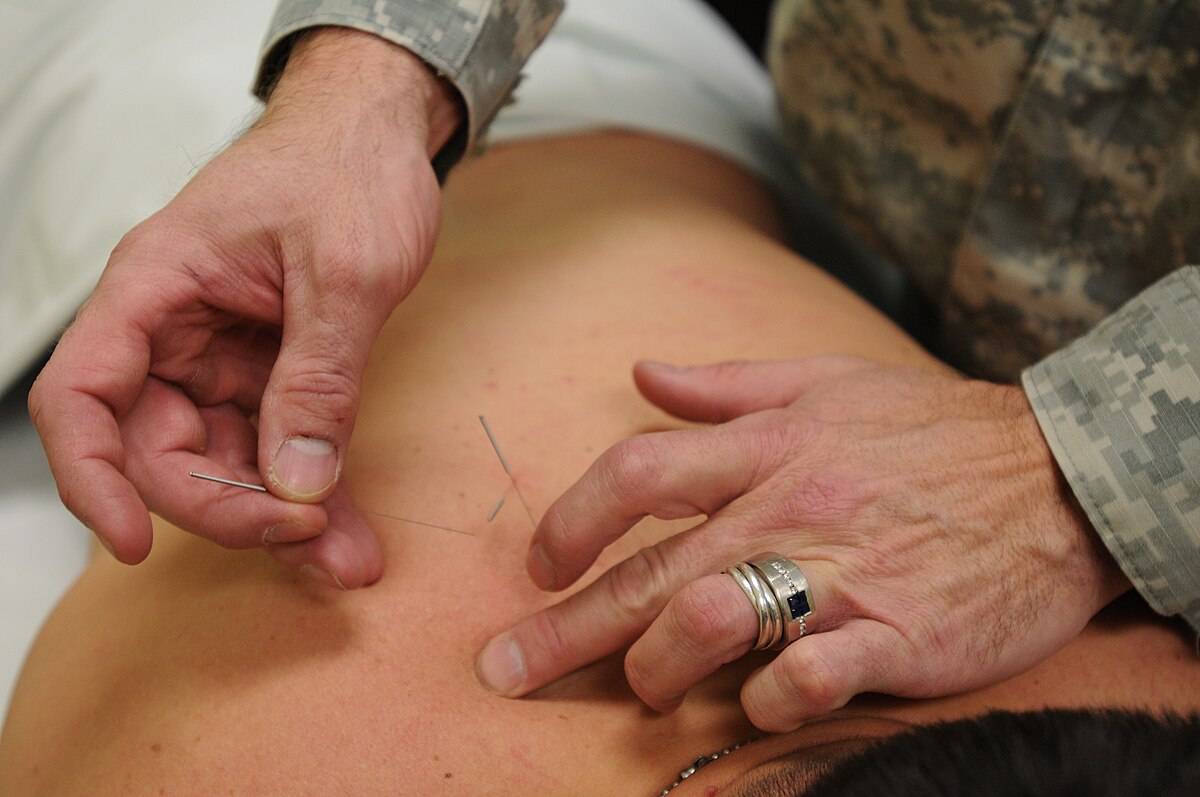
Many international patients are interested in acupuncture in China but still hesitate over one basic question: is it safe?
That is a reasonable concern. Any medical treatment, even one that is low-risk, should be approached carefully. The good news is that acupuncture is widely practiced in China in both hospitals and specialist clinics, and in appropriate settings — with sterile single-use needles, clear communication, and attention to medications and medical history — it is generally considered a low-risk treatment. Safety depends on more than the needles themselves. It also depends on who is treating the patient, what information the patient provides, and whether the treatment setting is appropriate for the case.
Why Acupuncture Is Generally Considered Low Risk
When practiced in a regulated medical setting, acupuncture is usually considered a low-risk procedure. Modern safety standards focus on:
- Sterile single-use needles
- Proper practitioner training
- Clean treatment environment
- Basic screening before treatment
- Awareness of bleeding risk, pregnancy, and major medical conditions
For most patients, common side effects are minor and temporary, such as mild soreness, a small bruise, or temporary fatigue after treatment.
What Makes Acupuncture Safer for International Patients
1. A Proper Treatment Setting
A hospital, TCM hospital, or established clinic is generally safer than an unclear or informal arrangement. The setting matters because safety is not only about the treatment itself, but also about documentation, hygiene, communication, and what happens if the patient needs follow-up support.
2. Clear Medical History Disclosure
Patients should tell the practitioner about:
- Blood thinners or anticoagulants
- Bleeding disorders
- Pregnancy
- Pacemaker or implantable devices
- Recent surgery
- Cancer treatment or severe illness
- Any unusual reactions to previous acupuncture
This information may change the treatment approach or mean that certain techniques should be avoided.
3. Communication That Is Good Enough
Safe treatment depends on communication. The patient should be able to explain symptoms accurately and understand basic aftercare or warning advice. If language is a barrier, support should be arranged in advance.
When Extra Caution Is Needed
Acupuncture may still be possible in these situations, but extra caution matters:
- During active cancer treatment
- If the patient is using anticoagulants
- If platelet count is very low
- After recent surgery
- During pregnancy
- In medically complex cases with multiple diagnoses
In these cases, treatment should not be approached casually. The right setting and proper disclosure matter much more.
Common Mild Side Effects
Patients may sometimes notice:
- Minor bruising
- Temporary soreness
- Light fatigue
- A short feeling of heaviness or relaxation after treatment
These are usually not dangerous and often resolve quickly.
Red Flags Patients Should Not Ignore
International patients should be more careful if:
- The setting looks poorly organized or unhygienic
- The practitioner does not ask about medical history
- Needle use or hygiene standards are unclear
- Communication is too poor to explain symptoms safely
- The provider makes unrealistic medical claims
- The patient feels pressured into treatment without enough explanation
When safety feels unclear, it is usually better to pause and ask more questions.
Questions Patients Can Ask Before Booking
A few practical questions can help:
- Is treatment provided in a hospital or licensed clinic?
- Is English communication or interpreter support available?
- Should I disclose medications before the appointment?
- Is acupuncture appropriate for my condition?
- Are there any precautions based on my current treatment?
How OriEast Helps
OriEast helps international patients think through acupuncture safety in China by matching them to appropriate settings, organizing key medical information in advance, and reducing communication gaps around booking and treatment planning.
Key Takeaways
- Acupuncture in China is generally low risk in proper medical settings
- Safety depends on the provider, hygiene standards, communication, and patient disclosure
- Blood thinners, pregnancy, surgery, and complex illness all require extra caution
- Minor bruising or soreness can happen, but serious risk is usually tied to poor setting or poor screening
- International patients should choose clarity and safety over convenience alone
Frequently Asked Questions
Is acupuncture in China safe for foreigners? Usually yes, when provided in a proper hospital or established clinic with appropriate hygiene and communication.
What should I tell the practitioner before treatment? You should mention medications, pregnancy, recent surgery, bleeding issues, cancer treatment, and any important medical history.
Are bruising and soreness normal after acupuncture? Mild bruising or soreness can happen and is usually temporary.
Should patients on blood thinners avoid acupuncture? Not always, but they should absolutely disclose this before treatment because it may affect technique and risk.
What is the biggest safety risk for international patients? Often it is not the treatment itself, but poor communication or choosing an unsuitable treatment setting.
Medical disclaimer: This article is for informational purposes only and does not constitute medical advice. Treatment decisions should be made with a qualified practitioner based on the patient's condition.