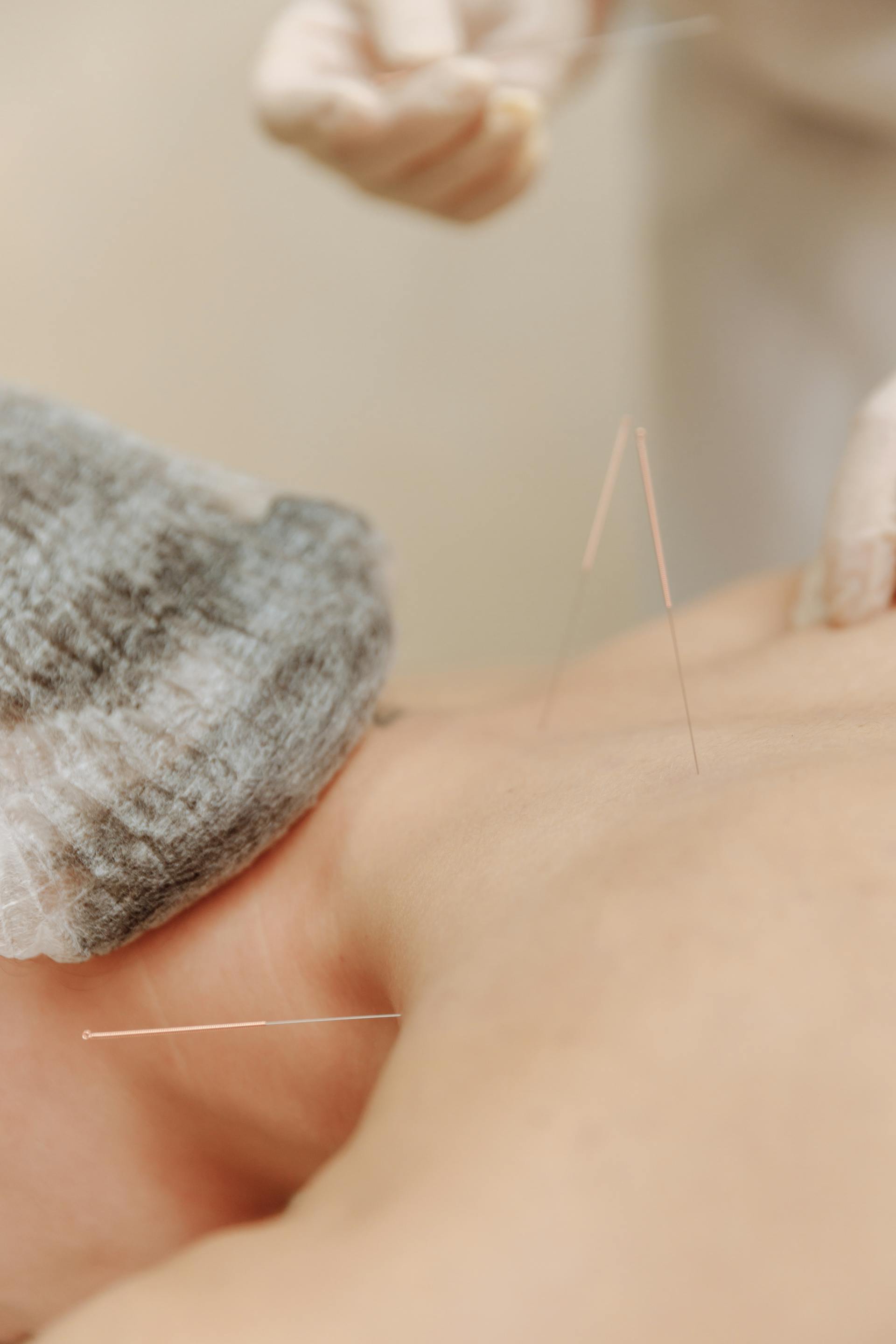
If you have ever searched "does acupuncture work," you are not alone. It is one of the most commonly asked questions about Traditional Chinese Medicine. The skepticism is understandable — the idea that inserting thin needles into specific body points can relieve pain, reduce inflammation, and restore health sounds implausible from a conventional Western medical perspective.
Yet the scientific evidence tells a compelling story. Over the past three decades, hundreds of randomized controlled trials, systematic reviews, and brain-imaging studies have moved acupuncture from the margins of alternative medicine into mainstream clinical practice. Major health organizations now endorse it for specific conditions, and leading hospitals across the world offer it as a standard treatment option.
This guide examines what the current research actually says — no exaggeration, no mysticism, just evidence.
The Short Answer: Yes, Acupuncture Works — With Caveats
Acupuncture is not a cure-all. It does not work equally well for every condition, and it is not a replacement for emergency medicine or surgery. But for a well-defined set of health problems — chronic pain, headaches, nausea, and several others — the evidence is strong enough that skeptics and supporters alike agree: acupuncture produces real, measurable clinical benefits.
The key is understanding where the evidence is robust and where it is still developing.
What Happens in Your Body During Acupuncture
Modern neuroscience has identified several mechanisms that explain acupuncture's effects. These are not theoretical — they are documented through functional MRI scans, blood biomarker analysis, and controlled laboratory studies.
1. Endorphin and Neurotransmitter Release
When a needle penetrates the skin at an acupuncture point, it stimulates nerve fibers that send signals to the brain and spinal cord. This triggers the release of:
- Endorphins — the body's natural painkillers, chemically similar to morphine
- Serotonin — involved in mood regulation and pain suppression
- Norepinephrine — helps modulate alertness and the stress response
This is not speculation. A 2010 study at the University of Michigan used PET scans to show that acupuncture increased endorphin binding in brain regions responsible for pain processing (Harris et al., Journal of NeuroImage).
2. Anti-Inflammatory Pathways
A landmark 2021 study published in Nature Medicine demonstrated that acupuncture activates the vagus nerve-adrenal axis, triggering an anti-inflammatory response by reducing pro-inflammatory cytokines. In simpler terms, acupuncture can turn down your body's inflammatory alarm system through a specific, measurable nerve pathway (Liu et al., 2021).
This helps explain why acupuncture is effective for conditions driven by chronic inflammation, including arthritis, digestive disorders, and autoimmune conditions.
3. Brain Network Modulation
Functional MRI studies show that acupuncture changes activity patterns in multiple brain networks simultaneously — including the default mode network (involved in pain perception) and the limbic system (emotional processing). These changes are point-specific: stimulating different acupuncture points produces different brain activation patterns, which aligns with traditional meridian theory.
4. Connective Tissue Signaling
When an acupuncture needle is rotated during treatment, collagen fibers in connective tissue wind around it, creating a mechanical signal that spreads through fascial networks. This can influence cell behavior, blood flow, and healing responses at sites far from the needle — explaining the "distant effects" that were once considered mysterious.
The Evidence: What Major Studies Show
The Vickers Meta-Analysis (The Gold Standard)
The most cited acupuncture study in medical literature is the Vickers individual patient data meta-analysis, published in Archives of Internal Medicine (now JAMA Internal Medicine). It pooled data from 29 high-quality randomized controlled trials involving 17,922 patients and concluded:
- Acupuncture is significantly more effective than no treatment for chronic pain
- Acupuncture is significantly more effective than sham (placebo) acupuncture for chronic back pain, neck pain, osteoarthritis, and chronic headache
- Approximately 85% of pain relief is maintained at 12 months after treatment ends
This was not a study funded by acupuncture advocates. It was conducted by researchers at Memorial Sloan Kettering Cancer Center and published in one of the world's leading medical journals (Vickers et al., 2012).
Cochrane Reviews
The Cochrane Collaboration — considered the gold standard for medical evidence reviews — has published multiple reviews supporting acupuncture's effectiveness:
- Migraine prevention (2016): Acupuncture is at least as effective as preventive medication, with fewer side effects
- Tension headache (2016): Acupuncture reduces headache frequency significantly more than routine care alone
- Chronic low back pain (2020): Moderate-quality evidence supports acupuncture for short-term pain relief
- Nausea and vomiting (2015): Strong evidence for post-surgical and chemotherapy-induced nausea reduction
WHO Recognition
The World Health Organization published a comprehensive review identifying over 40 conditions for which acupuncture has demonstrated effectiveness through controlled clinical trials. These include chronic pain, respiratory disorders, neurological conditions, and mental health issues (WHO, 2003).
Where Acupuncture Works Best: Condition-by-Condition
Based on the current weight of evidence, here is how acupuncture performs across different health categories:
| Condition Category | Evidence Level | Key Findings |
|---|---|---|
| Chronic pain (back, neck, knee) | Strong | Better than sham and standard care; effects persist 12+ months |
| Migraine and tension headache | Strong | Equal to medication, fewer side effects |
| Nausea (chemo, post-surgery) | Strong | Significantly reduces frequency and severity |
| Osteoarthritis | Strong | Clinically meaningful pain and function improvement |
| Allergic rhinitis | Moderate | Reduces symptoms, decreases antihistamine use |
| Anxiety and depression | Moderate | Comparable to CBT in some trials; useful as adjunct therapy |
| Fertility and IVF support | Moderate | May improve IVF pregnancy rates by 30-65% |
| Insomnia | Moderate | Improves sleep quality scores without medication side effects |
| Stroke rehabilitation | Emerging | Promising results for motor recovery when combined with standard rehab |
| Smoking cessation | Emerging | May reduce cravings; best as part of a comprehensive quit plan |
The Placebo Question: Addressing the Biggest Criticism
The most common criticism of acupuncture is: "It is just a placebo." This argument deserves a serious response.
What the Sham Acupuncture Studies Show
In clinical trials, "sham acupuncture" — where needles are inserted at non-acupuncture points or using retractable needles that do not penetrate the skin — is used as a control. Some studies find that real acupuncture outperforms sham acupuncture by a modest margin, leading critics to claim the benefit is largely placebo.
However, there are important nuances:
-
Sham acupuncture is not a true placebo. Even non-specific needling activates nerve endings and can trigger some physiological responses. It is more like comparing two doses of a drug rather than comparing a drug to a sugar pill.
-
The clinical effect is real. Whether the mechanism is "specific" (meridian-based) or "non-specific" (general neurological stimulation), patients experience genuine, measurable improvement in pain, function, and quality of life.
-
Brain imaging does not lie. Functional MRI studies show that real acupuncture produces different and more extensive brain activation patterns compared to sham, confirming that the effects are not purely psychological.
-
The effect size matters. The Vickers meta-analysis showed that the difference between real and sham acupuncture, while modest, is comparable to the difference between many accepted pharmaceutical treatments and placebo.
A Practical Perspective
For a patient living with chronic back pain who has tried multiple medications with limited relief, the relevant question is not whether acupuncture outperforms sham acupuncture by a statistically perfect margin. The relevant question is: will it reduce my pain and improve my quality of life? For many conditions, the answer is yes.
Why Getting Acupuncture at Its Source Matters
The quality of acupuncture treatment varies enormously depending on the practitioner's training and experience. In China, acupuncturists complete 5-7 years of university-level medical education, including extensive clinical rotations in hospital settings. This is fundamentally different from the training depth available in most Western countries.
At specialized TCM hospitals in China, acupuncture is not practiced in isolation. It is integrated with herbal medicine, cupping, moxibustion, and modern diagnostic tools. This comprehensive approach — combining the full depth of TCM knowledge with evidence-based practice — is what gives treatment at the source an advantage that is difficult to replicate elsewhere.
OriEast connects international patients with leading TCM practitioners in Shanghai who combine traditional expertise with modern medical training, ensuring treatment that is both authentic and evidence-based.
The Bottom Line
Acupuncture works. Not for everything, and not as a miracle cure, but as a well-documented medical intervention with real physiological mechanisms and strong clinical evidence for specific conditions. The science is clear enough that the world's leading health organizations, research institutions, and hospitals now integrate it into patient care.
If you are considering acupuncture — especially for chronic pain, headaches, nausea, or inflammation-related conditions — the evidence supports it as a reasonable, safe, and effective treatment option.
Considering acupuncture treatment in China? Get a free consultation to learn how OriEast can connect you with experienced TCM practitioners at leading hospitals in Shanghai.