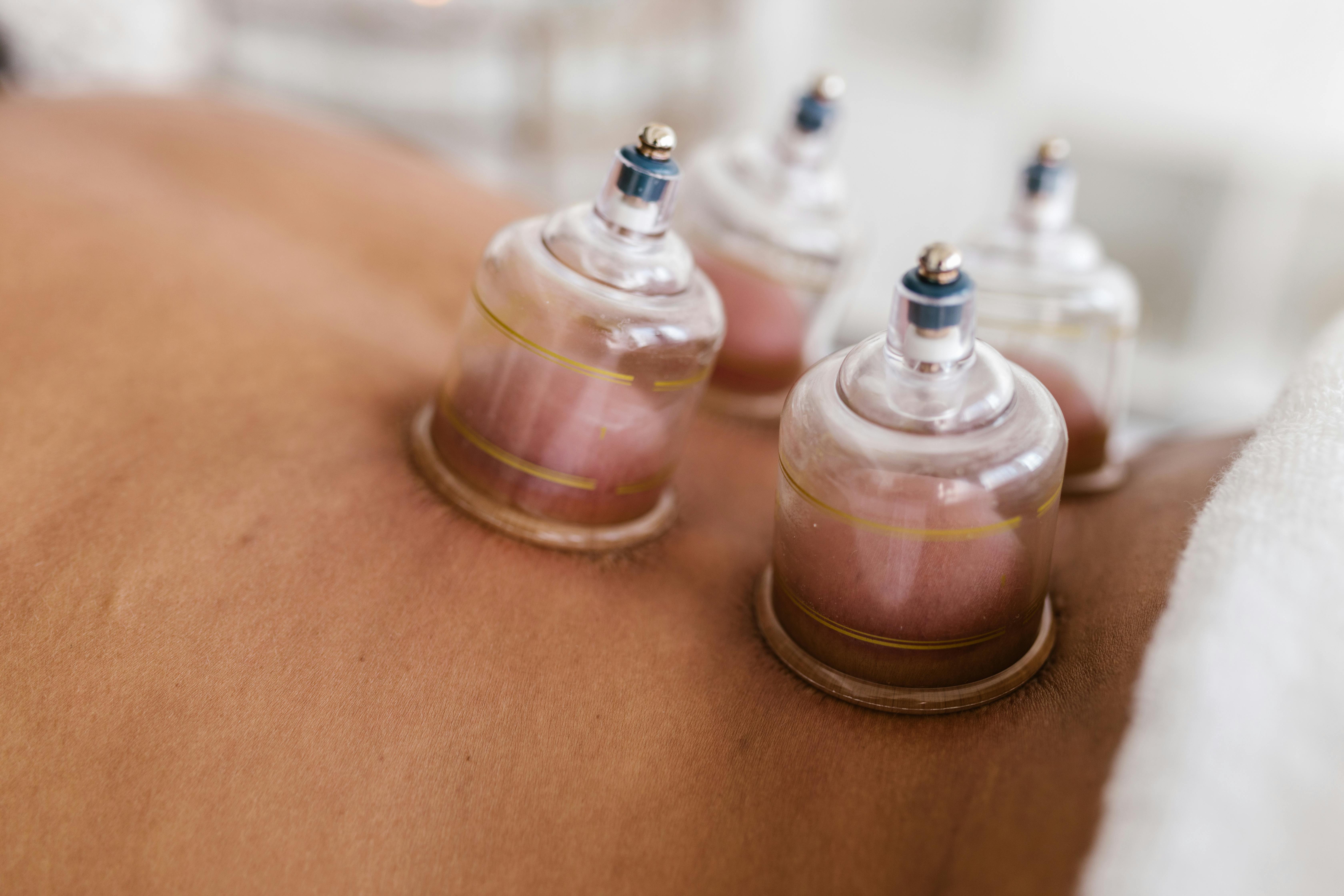
In August 2016, Michael Phelps emerged from the Olympic pool in Rio with dark circular marks dotting his shoulders and back. Within hours, "cupping therapy" was trending worldwide. Millions of people asked the same question: what exactly are those bruises, and why would the world's most decorated Olympic athlete choose this ancient treatment?
The short answer is that cupping works — and elite athletes, physiotherapists, and Traditional Chinese Medicine practitioners have known this for centuries. Cupping therapy is one of the oldest and most versatile techniques in TCM, with a documented history stretching back over 2,500 years. The circular marks it leaves are temporary, painless, and indicate increased local circulation. Clinical research supports cupping for musculoskeletal pain, neck pain, and sports recovery, with an excellent safety profile when performed by trained practitioners.
What Is Cupping Therapy? Origins and Core Principles
Cupping therapy (中文: 拔罐, bá guàn) involves placing cups — made from glass, bamboo, silicone, or ceramic — on the skin surface and creating suction either by heating the air inside (fire cupping) or using a mechanical pump (dry cupping). The negative pressure draws skin and superficial muscle tissue upward into the cup.
In TCM theory, cupping works by:
- Unblocking stagnant qi (vital energy) and blood in the meridian channels
- Drawing out pathogenic factors — cold, dampness, and heat — that have lodged in muscles and tissues
- Stimulating the flow of fresh qi and blood to areas of dysfunction
Modern biomedical explanations point to measurable physiological effects: increased local blood flow, stimulation of mechanoreceptors in fascia, modulation of the autonomic nervous system, and release of nitric oxide.
Both frameworks converge on the same practical result: reduced pain, improved tissue mobility, and faster recovery.
Types of Cupping Therapy: Which Method Is Right for You?
There are several distinct cupping methods, each with specific applications:
| Method | Technique | Best For | Sensation |
|---|---|---|---|
| Fire Cupping | Flame briefly placed inside glass cup before application | Deep chronic pain, cold/damp conditions | Strong suction, warming sensation |
| Dry/Pump Cupping | Mechanical suction pump | First-time patients, sensitive areas | Controlled, adjustable pressure |
| Sliding Cupping | Oil applied, cups glide across skin | Large muscle groups, sports recovery | Massage-like movement |
| Wet Cupping (Hijama) | Small incisions made before cupping | Traditional Islamic medicine; chronic blood stasis | More intensive, not standard TCM |
| Flash Cupping | Cups rapidly applied and removed | Children, elderly, acute conditions | Brief, lighter stimulation |
| Needle Cupping | Combined with acupuncture needles | Complex chronic conditions | Dual stimulation |
Fire cupping remains the gold standard in classical TCM practice. An experienced practitioner briefly introduces a flame into a glass cup, then quickly places it on the skin — creating suction as the air cools and contracts. Despite involving fire, the flame never touches the patient and the technique is very safe in skilled hands.
What Does Cupping Therapy Actually Treat? Evidence-Based Conditions
Pain Management: The Strongest Evidence
Cupping's most well-documented application is musculoskeletal pain. A 2015 systematic review published in PLOS ONE (Cao et al., 2015) analyzed 75 randomized controlled trials and concluded that cupping combined with other TCM treatments produced significant improvements in pain conditions compared to conventional treatments alone.
Neck pain has the strongest evidence base. A 2012 RCT published in The Clinical Journal of Pain found that five weeks of cupping therapy significantly reduced neck pain intensity and improved range of motion compared to waiting list controls, with effects persisting at 3-month follow-up.
Lower back pain: A Cochrane-informed review of cupping for low back pain found meaningful short-term pain reduction, particularly when combined with heat (fire cupping) and acupuncture.
Shoulder pain and frozen shoulder: Multiple Chinese clinical trials show cupping combined with acupuncture reduces shoulder pain severity and improves functional range of motion more effectively than either treatment alone.
Sports Recovery and Performance
This is why elite athletes like Michael Phelps, LeBron James, and numerous Olympic competitors use cupping:
- Reduces muscle soreness: A 2020 study found cupping therapy significantly reduced delayed-onset muscle soreness (DOMS) after intense exercise, with athletes recovering faster than sham treatment groups
- Improves flexibility: The fascial release effect of cupping increases tissue extensibility and joint range of motion
- Enhances local circulation: Increased blood flow delivers oxygen and nutrients while removing metabolic waste from fatigued muscles
- Reduces inflammation markers: Some studies show decreased levels of inflammatory cytokines (IL-6, TNF-alpha) following cupping treatment
Respiratory Conditions
TCM has long used cupping on the back — specifically over bladder meridian points and the lung shu points — for respiratory conditions. Modern research supports this application:
- Common cold and flu: A German study found cupping significantly reduced symptom duration and severity compared to conventional care for uncomplicated upper respiratory infections
- Chronic cough: Multiple trials from China report improvement in chronic cough associated with upper airway conditions
- Asthma: While not a substitute for rescue medication, cupping shows benefits as a complementary approach for mild asthma management
Digestive Health
The posterior thoracic and lumbar regions contain shu (back transporting) points that TCM considers directly connected to digestive organ function. Cupping in these areas is used for:
- Irritable bowel syndrome (IBS)
- Chronic gastritis
- Poor appetite and bloating
Does Cupping Therapy Actually Work? What the Research Shows
The evidence base for cupping has grown substantially since 2010. Here is what the best available research shows:
Strong evidence (multiple RCTs or systematic reviews):
- Neck pain relief
- Low back pain reduction
- Sports recovery / DOMS reduction
- Headache and migraine relief (as part of TCM protocol)
Moderate evidence (positive trials, more research needed):
- Shoulder pain
- Herpes zoster (shingles) pain
- Hypertension management (as adjunct therapy)
- Acne and skin conditions
Emerging evidence (preliminary studies, promising results):
- Respiratory infections
- Diabetes management (metabolic markers)
- Fatigue and fibromyalgia
A 2019 systematic review in the Journal of Traditional Chinese Medical Sciences summarized: "The available evidence suggests cupping therapy has a beneficial effect on pain conditions, particularly musculoskeletal pain, when administered by trained practitioners." The review called for larger, better-blinded trials — a common limitation given the difficulty of creating a convincing sham cupping control.
Important caveat: Much of the published research is from China, where trial methodology standards have historically varied. Western researchers call for more rigorous independent replication. However, the sheer volume of consistent positive findings across hundreds of trials and millions of patients treated worldwide represents a compelling signal.
What Do the Marks Actually Mean? Understanding Cupping Bruises
The circular discolorations left by cupping — from light pink to deep purple — are one of the most discussed aspects of the therapy.
What they are: The suction brings stagnant blood, metabolic waste products, and inflammatory fluids to the surface of the skin. This is not bruising in the conventional sense (no tissue damage occurs), but rather a visible marker of local circulation and tissue condition.
What the color tells you:
| Mark Color | TCM Interpretation | Modern Understanding |
|---|---|---|
| Light pink / no marks | Good circulation, no stagnation | Healthy local blood flow |
| Bright red | Acute heat or inflammation | Recent inflammation or tension |
| Dark red / purple | Chronic stagnation or cold obstruction | Long-standing circulatory issue |
| Dark purple / black | Severe chronic stagnation | Deep, prolonged dysfunction |
| Pale / grayish | Qi and blood deficiency | Poor local circulation |
How long do they last? Typically 3–10 days, fading as the body reabsorbs the extravasated blood. With regular cupping, marks become progressively lighter as the underlying condition improves.
What to Expect During a Professional Cupping Session
A properly administered cupping session at a Shanghai TCM clinic follows this sequence:
1. Assessment (10–15 minutes) The practitioner reviews your chief complaint, performs a brief TCM assessment (pulse, tongue), and identifies which areas and meridian points to cup.
2. Positioning and skin preparation You lie comfortably (usually face-down for back treatment). The skin is cleaned and may be lightly oiled for sliding cupping.
3. Cup placement (5–15 minutes) Cups are placed and left stationary (static cupping) for 5–15 minutes, or moved across oiled skin (sliding cupping). Most patients describe the sensation as a strong pulling or pressure — not painful.
4. Cup removal and skin inspection Cups are removed by pressing gently on the skin beside the cup to break the seal. The practitioner notes the color and pattern of marks for diagnostic purposes.
5. Post-treatment guidance
- Avoid cold exposure, showering, or vigorous exercise for 4–6 hours
- Stay hydrated (cupping stimulates lymphatic flow)
- The marks will fade over 3–10 days
Cupping Therapy Safety: Who Should and Shouldn't Do It
Cupping is generally very safe when administered by a trained practitioner. The risk profile is far lower than pharmaceutical alternatives for pain management.
Suitable for most people, including:
- Adults with musculoskeletal pain
- Athletes seeking recovery support
- People with respiratory or digestive complaints
- Those seeking a relaxation and wellness treatment
Contraindications — avoid cupping if you have:
- Active skin infections, open wounds, or eczema in the treatment area
- Bleeding disorders or are on blood-thinning medication
- Severe edema or deep vein thrombosis
- Pregnancy (abdominal and lower back cupping)
- Active cancer in the treatment area
- Extreme fatigue, malnourishment, or severe anemia
Why China for Cupping Therapy? Authenticity and Clinical Depth
Cupping is practiced worldwide, but China remains the home of authentic cupping in its full clinical context.
At Shanghai's TCM hospitals and specialized wellness clinics, cupping is not an isolated treatment but part of an integrated diagnostic and therapeutic system:
- Practitioners are fully trained TCM physicians (5-year medical degree + clinical residency), not wellness staff trained in a weekend course
- Cupping is combined with acupuncture, moxibustion, and herbal medicine based on precise pattern diagnosis
- Equipment follows pharmaceutical-grade hygiene standards
- Specialized techniques — including fire cupping with medicinal herbs infused into the cups — are unavailable outside China
For chronic pain, respiratory conditions, or sports recovery, experiencing cupping within a comprehensive TCM clinical system produces results that isolated cupping sessions elsewhere typically cannot replicate. Explore moxibustion therapy and acupuncture as complementary treatments often combined with cupping.
Frequently Asked Questions
Q: Does cupping therapy hurt? Most people describe cupping as a strong pulling or pressure sensation, not pain. The sensation is most intense when cups are first applied and typically diminishes within seconds as tissue adjusts. Sliding cupping feels similar to a deep-tissue massage. The marks left afterward may be slightly tender to touch, like a minor bruise, for 1–2 days.
Q: How many cupping sessions do I need? For acute conditions (recent muscle strain, mild respiratory infection): 2–3 sessions over 1–2 weeks often produce clear improvement. For chronic conditions (long-standing back pain, recurrent respiratory issues): a course of 6–10 sessions over 4–8 weeks, followed by maintenance as needed, is typical. Your TCM practitioner will reassess after each session.
Q: Are the Olympic athletes' cupping marks normal? Yes. The dark circular marks visible on Michael Phelps and other Olympic athletes indicate significant local stagnation being drawn to the surface — common in high-performance athletes with high training loads. The fact that world-class athletes voluntarily use cupping, despite the visible marks, is a strong real-world endorsement of its recovery benefits.
Q: Is wet cupping (bloodletting cupping) used in China? Wet cupping (刺络拔罐, cì luò bá guàn) — which combines small superficial skin pricking with cupping — is practiced in Chinese medicine for specific conditions involving severe blood stasis, particularly herpes zoster pain and certain chronic skin conditions. However, it is not routine practice and is only performed by experienced physicians for appropriate indications. Standard cupping in Chinese hospitals does not involve any skin incision.
Q: How does cupping compare to deep tissue massage? Both work on muscles and fascia, but through opposite mechanisms. Deep tissue massage applies compressive force (inward). Cupping applies tensile force (outward), lifting and separating fascial layers rather than compressing them. Many practitioners consider cupping superior for releasing deep fascial adhesions and for chronic tissue stagnation. Many TCM treatments combine both — sliding cupping followed by tuina massage — for optimal results. See our guide on TCM chronic pain management.
Q: What does a cupping session cost in Shanghai? At Shanghai TCM hospitals and clinics, a standard cupping session (30–45 minutes) typically costs ¥150–400 RMB ($20–55 USD) for international patients. When combined with acupuncture as part of a comprehensive TCM consultation, total session costs run ¥350–800 RMB ($50–110 USD). Costs are significantly lower than in Western countries, where cupping sessions at acupuncture clinics typically run $80–150 per session.