Key Takeaways
- TCM has the world's most developed longevity tradition — "nourishing life" (养生 yǎngshēng) is a distinct branch of Chinese medicine with 2,500+ years of continuous practice, systematic theory, and documented clinical application
- Modern validation is catching up — compounds in classic TCM longevity herbs (astragalus, goji berry, reishi mushroom) have been shown to activate telomerase, reduce cellular senescence markers, and extend lifespan in animal models
- China's anti-aging market is uniquely integrative — top facilities combine TCM constitutional assessment with Western biomarkers, regenerative therapies (NAD+, exosome therapy, PRP), advanced diagnostics, and personalized herbal protocols
- Cost advantage is significant — comprehensive anti-aging programs in China cost 30–50% of equivalent programs in the US, Switzerland, or Japan
- This is not wellness tourism dressed up as medicine — the programs described here are clinician-led, diagnostically grounded, and based on measurable biomarkers, not luxury spa marketing
Why China for Anti-Aging Medicine?
The global anti-aging market is projected to reach $421 billion by 2030. Most of it is noise — supplements, serums, and wellness retreats with more marketing than science. Finding clinically rigorous, evidence-based anti-aging treatment requires knowing where to look.
China occupies a unique position in this space for three reasons:
1. The Longest Continuous Longevity Tradition in Medicine
The concept of "nourishing life" (养生) appears in the earliest Chinese medical texts, including the Huangdi Neijing (Yellow Emperor's Classic of Medicine, ~200 BCE). Unlike Western anti-aging medicine, which emerged as a discipline in the late 20th century, Chinese medicine has been systematically studying how to extend healthspan for millennia.
This is not philosophical abstraction. TCM yangsheng includes specific, documented practices:
- Constitutional assessment (体质辨识) — identifying your body's innate tendencies and vulnerabilities to guide personalized intervention
- Herbal longevity formulas — recipes refined over centuries, many now validated by modern pharmacology
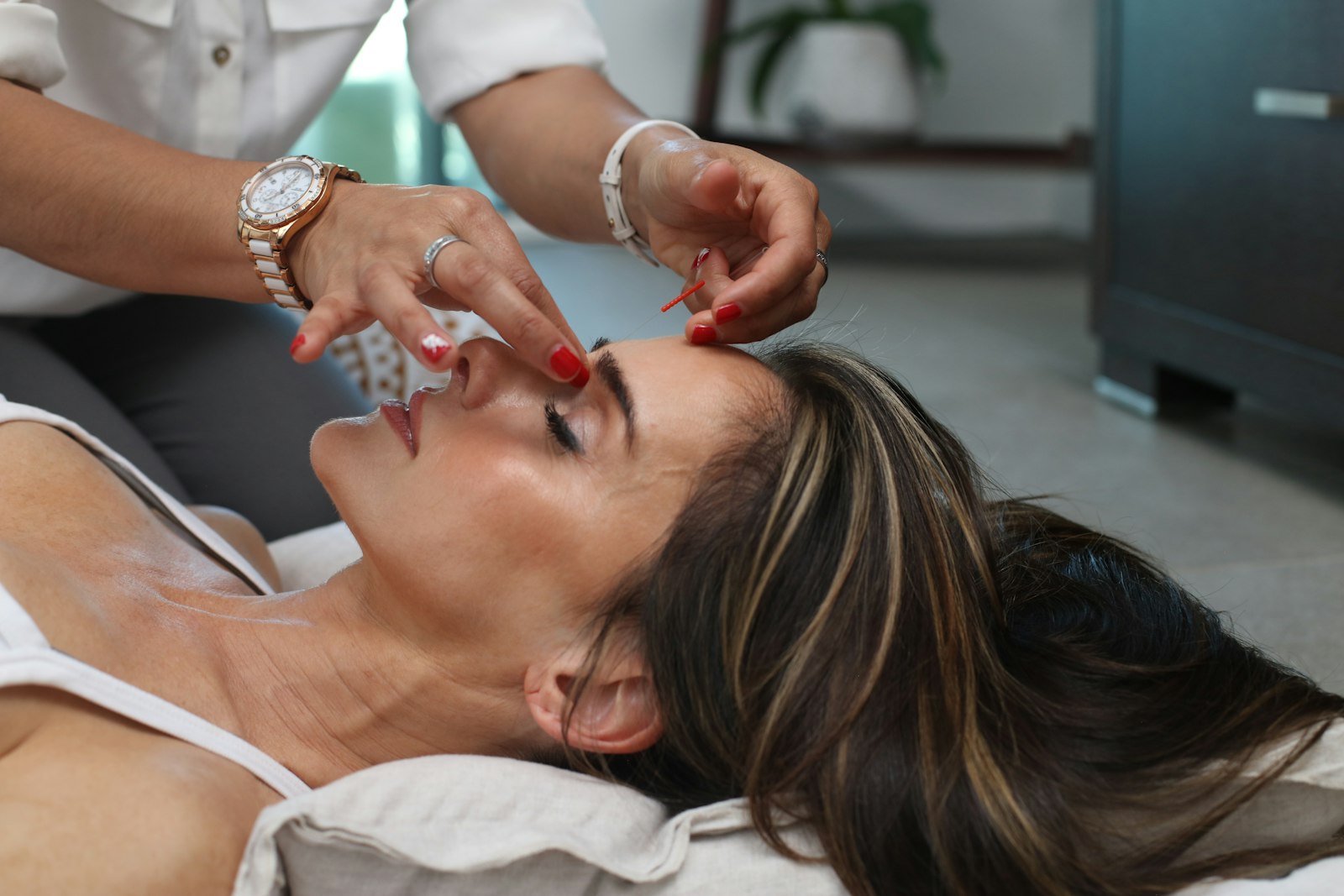
- Acupuncture for systemic regulation — specific point combinations for immune function, hormonal balance, and stress response
- Dietary therapy (食疗) — using food as medicine, tailored to constitution and season
- Movement practices — Tai Chi, Qigong, and Baduanjin, all with robust clinical evidence for aging-related outcomes
2. Modern Research Infrastructure
China now publishes more research papers on TCM anti-aging mechanisms than any other country. Major research programs include:
- National Key R&D Program projects on TCM for healthy aging
- Chinese Academy of Sciences research on senolytic properties of traditional herbs
- Shanghai Institute of Materia Medica work on anti-aging compound isolation from classical formulas
This research is not isolated in TCM departments. It flows into China's rapidly expanding network of integrative anti-aging clinics that combine traditional formulas with Western regenerative medicine.
3. Cost-Effective Access to Advanced Therapies
Many cutting-edge anti-aging therapies that cost $10,000–$50,000 in the US or Switzerland are available in China at a fraction of the cost — not because quality is lower, but because the healthcare cost structure is fundamentally different.
The TCM Framework for Aging
Western anti-aging medicine focuses on measurable biomarkers: telomere length, NAD+ levels, inflammatory markers, hormone levels, epigenetic clocks. TCM approaches aging through a different but complementary lens.
The Five Patterns of Aging in TCM
TCM recognizes that people age differently depending on their constitutional type and which organ systems decline first. This framework guides personalized anti-aging intervention.
Kidney Essence (肾精) Decline
The primary aging pattern in TCM. The Kidney system stores Essence (Jing) — the foundational substance that governs growth, development, reproduction, and aging. Essence naturally declines with age, and the rate of decline determines biological aging speed.
Signs: Premature graying, hair loss, weakening bones and teeth, declining memory, reduced libido, hearing loss, lower back weakness, frequent urination.
Modern correlate: Declining growth hormone, testosterone/estrogen, DHEA. Reduced bone mineral density. Mitochondrial dysfunction.
TCM approach: Kidney-tonifying herbs and formulas — Liu Wei Di Huang Wan (六味地黄丸), Zuo Gui Wan (左归丸), He Shou Wu (何首乌), Tu Si Zi (菟丝子), Gou Qi Zi (枸杞子).
Spleen-Qi Deficiency
Signs: Fatigue, poor digestion, muscle wasting, sagging skin, easy bruising, weakened immunity, poor nutrient absorption.
Modern correlate: Declining metabolic rate, sarcopenia, gut microbiome dysbiosis, reduced nutrient absorption efficiency.
TCM approach: Spleen-strengthening formulas — Bu Zhong Yi Qi Tang (补中益气汤), Si Jun Zi Tang (四君子汤), with Huang Qi (黄芪), Dang Shen (党参), Bai Zhu (白术).
Blood Stasis (血瘀)
Signs: Dark spots on skin, fixed pain, cold extremities, dark complexion, spider veins, memory decline, cardiovascular issues.
Modern correlate: Endothelial dysfunction, microcirculation impairment, increased thrombotic risk, reduced cerebral blood flow.
TCM approach: Blood-activating formulas — Xue Fu Zhu Yu Tang (血府逐瘀汤), with Dan Shen (丹参), San Qi (三七), Chuan Xiong (川芎).
Yin Deficiency with Internal Heat
Signs: Hot flashes, night sweats, dry skin and eyes, insomnia, anxiety, thinning hair, irritability.
Modern correlate: Declining estrogen/progesterone, reduced antioxidant capacity, chronic low-grade inflammation, autonomic nervous system imbalance.
TCM approach: Yin-nourishing formulas — Zhi Bai Di Huang Wan (知柏地黄丸), with Sheng Di (生地), Mai Dong (麦冬), Nü Zhen Zi (女贞子).
Phlegm-Dampness Accumulation
Signs: Weight gain (especially abdominal), high cholesterol, fatty liver, brain fog, sluggishness, metabolic syndrome.
Modern correlate: Insulin resistance, visceral adiposity, elevated triglycerides, non-alcoholic fatty liver disease.
TCM approach: Phlegm-resolving, Dampness-draining formulas — Er Chen Tang (二陈汤), Wen Dan Tang (温胆汤), with Ze Xie (泽泻), Shan Zha (山楂).
TCM Longevity Herbs: What Modern Science Has Found
Several classic TCM longevity herbs have been validated by modern pharmacological research at the cellular and molecular level.
Astragalus (Huang Qi 黄芪) — The Telomerase Activator
Astragalus has been used in Chinese medicine for over 2,000 years as a Qi-tonifying herb. Modern research has identified a compound in astragalus root — cycloastragenol (CAG) — that activates telomerase, the enzyme that maintains telomere length.
- A 2011 study in Rejuvenation Research demonstrated that TA-65 (a purified astragalus extract) increased telomere length in short telomeres of immune cells in humans over a 12-month period (Harley et al., 2011)
- Astragaloside IV has been shown to reduce cellular senescence markers and improve mitochondrial function in aged animal models
- Multiple clinical studies show astragalus supplementation improves immune function in elderly populations
Goji Berry (Gou Qi Zi 枸杞子) — Cellular Protection
Lycium barbarum polysaccharides (LBPs) from goji berries have demonstrated:
- Antioxidant activity 10× greater than vitamin C in some assays
- Protection against UV-induced DNA damage in skin cells
- Improved mitochondrial function and reduced lipofuscin accumulation in aging animal models
- A 2012 randomized clinical trial showed 30 days of goji berry supplementation significantly increased superoxide dismutase (SOD) and glutathione peroxidase levels in elderly subjects
Reishi Mushroom (Ling Zhi 灵芝) — Immunosenescence
Ganoderma lucidum polysaccharides and triterpenes have been shown to:
- Restore age-related decline in T-cell and NK cell function
- Reduce inflammatory cytokines (IL-6, TNF-alpha) associated with "inflammaging"
- Extend median lifespan by 9–20% in multiple animal model studies
- A 2020 systematic review of 5 RCTs found reishi supplementation significantly improved immune markers in elderly populations
He Shou Wu (何首乌) — The Legendary Hair-and-Vitality Herb
Polygonum multiflorum has been a cornerstone of TCM anti-aging for centuries. Research shows:
- Stilbene glycosides from He Shou Wu inhibit monoamine oxidase B (MAO-B), protecting dopaminergic neurons
- Emodin compounds promote melanocyte activity, supporting the traditional use for gray hair reversal
- Animal studies demonstrate improved learning and memory in aged subjects
Safety note: Raw He Shou Wu can cause liver toxicity. Only processed (制何首乌) forms should be used, and always under practitioner supervision. This is a herb that requires proper preparation and dosing — not casual supplementation.
San Qi (三七) — Cardiovascular Aging
Panax notoginseng (San Qi) is TCM's premier herb for blood vessel health:
- Notoginsenoside R1 has been shown to improve endothelial function and reduce arterial stiffness
- Anti-platelet effects comparable to low-dose aspirin without the GI bleeding risk
- Reduces oxidized LDL and protects against atherosclerosis in animal models
- Used extensively in Chinese hospitals for cardiovascular and cerebrovascular disease prevention
What an Integrative Anti-Aging Program in China Looks Like
Top anti-aging programs in China are not spa retreats with TCM branding. They are clinician-directed programs that combine rigorous diagnostics, personalized TCM treatment, and modern regenerative therapies.
Phase 1: Comprehensive Assessment (Days 1–2)
Western Diagnostics:
- Full blood panel with aging biomarkers: hormone levels (testosterone, estrogen, DHEA-S, growth hormone, thyroid panel), inflammatory markers (hs-CRP, IL-6, TNF-alpha), metabolic markers (HbA1c, insulin, lipid panel), micronutrient status
- Body composition analysis (DEXA scan)
- Cardiovascular assessment: arterial stiffness measurement, carotid intima-media thickness
- Epigenetic age testing (methylation-based biological age)
- Advanced imaging as indicated (cardiac CT, whole-body MRI)
- Gut microbiome analysis
TCM Assessment:
- Constitutional diagnosis (体质辨识) — standardized questionnaire + pulse/tongue diagnosis
- Meridian conductance testing — electro-dermal measurement of acupuncture meridian function
- TCM aging pattern identification — which of the five aging patterns predominates
- Lifestyle, sleep, stress, and dietary evaluation from TCM perspective
Phase 2: Personalized Treatment Protocol (1–4 Weeks)
Based on assessment results, a combined Western and TCM treatment plan is created.
TCM Components:
- Custom herbal formula — based on constitutional pattern and specific aging concerns; modified every 1–2 weeks based on response
- Acupuncture — 3–5 sessions per week targeting specific aging-related points:
- ST36 (Zusanli) — the "longevity point," shown to modulate immune function and reduce inflammatory markers
- KI3 (Taixi) — Kidney tonification for essence preservation
- SP6 (Sanyinjiao) — hormonal regulation and blood nourishment
- GV20 (Baihui) — cognitive function and cerebral circulation
- CV4 (Guanyuan) — core vitality and reproductive aging
- Moxibustion — particularly at ST36 and CV4; traditional longevity practice now supported by research showing immune-modulating effects
- Tai Chi and Qigong — daily guided practice; meta-analyses show improvements in balance, cardiovascular function, bone density, and cognitive performance in older adults
- Dietary therapy — TCM-guided nutrition plan based on constitutional type and season
Modern Regenerative Components (available at select facilities):
- NAD+ IV therapy — nicotinamide adenine dinucleotide supplementation to support mitochondrial function and cellular energy production
- PRP (platelet-rich plasma) therapy — for skin rejuvenation and joint health
- Exosome therapy — emerging cell-free regenerative treatment
- Ozone therapy — for immune modulation and circulation
- High-dose vitamin C infusion — antioxidant and immune support
- Hormone optimization — bioidentical hormone replacement where clinically indicated
Phase 3: Long-Term Maintenance Plan
Before departure, patients receive:
- A 3–6 month herbal formula plan (in granule or pill form for convenience)
- Continued Tai Chi/Qigong practice protocol
- Personalized dietary guidelines
- Supplement recommendations based on lab findings
- Schedule for biomarker re-testing at 3, 6, and 12 months
- Remote consultation access with their Chinese medical team
Where to Access Anti-Aging Programs in China
Leading Integrative Anti-Aging Facilities
Shanghai Huangpu District Central Hospital — Integrative Anti-Aging Center (上海黄浦区中心医院)
- Combines Western preventive medicine with Shanghai's top TCM practitioners
- Comprehensive biomarker testing + TCM constitutional assessment
- Regenerative treatments including NAD+, PRP, and ozone therapy available
- International patient coordinator with multilingual support
China-Japan Friendship Hospital, Beijing — Health Management Center (中日友好医院)
- Joint Chinese-Japanese medical institution with high standards for international patients
- Integrative health screening + TCM health preservation programs
- Strong in: cardiovascular aging prevention, metabolic syndrome, TCM constitutional management
- Japanese-language medical staff available
Longhua Hospital Anti-Aging TCM Program, Shanghai (上海龙华医院)
- Premier TCM hospital with dedicated aging and health preservation department
- Herbal longevity formulas based on classical prescriptions with modern quality control
- Research-backed acupuncture and moxibustion protocols for aging
- Known for: TCM-focused anti-aging with deep classical tradition
Sanya International Medical Tourism Zone, Hainan (海南三亚国际医疗旅游先行区)
- China's special medical zone with regulatory flexibility for advanced treatments
- Multiple facilities offering regenerative medicine not yet available in mainland hospitals
- Resort-style environment suitable for longer treatment stays
- Emerging hub for international medical tourists seeking advanced anti-aging therapies
Cost Comparison
| Program Component | China | US | Switzerland | Japan |
|---|---|---|---|---|
| Comprehensive biomarker panel | $500–1,500 | $2,000–5,000 | $3,000–8,000 | $1,500–3,000 |
| 1-week integrative program | $3,000–8,000 | $10,000–25,000 | $20,000–50,000 | $8,000–15,000 |
| 2-week comprehensive program | $5,000–15,000 | $20,000–50,000 | $40,000–100,000 | $15,000–30,000 |
| NAD+ IV (per session) | $150–400 | $500–1,500 | $800–2,000 | $300–800 |
| Monthly herbal formula | $50–150 | $100–300 | N/A | $80–200 |
| Follow-up consultation (remote) | $30–80 | $200–500 | $300–600 | $100–200 |
What to Be Cautious About
Anti-aging medicine — in any country — is a field where marketing often outpaces evidence. Some important reality checks:
What Has Strong Evidence
- TCM herbal formulas for specific aging patterns — constitutional treatment based on proper diagnosis, with centuries of clinical use and growing modern validation
- Acupuncture for immune regulation and pain — robust meta-analysis support
- Tai Chi and Qigong — among the most well-studied exercise interventions for older adults
- NAD+ supplementation — strong preclinical evidence, emerging clinical data
- Comprehensive biomarker monitoring — the foundation of personalized intervention
What Has Promising but Preliminary Evidence
- Exosome therapy — exciting preclinical results, limited human clinical trial data
- Telomerase activation through herbs — demonstrated in vitro and in animal models, human longevity effects unproven
- Epigenetic age reversal — the concept is validated but interventions are still experimental
What to Avoid
- Any facility that guarantees specific years of life extension or age reversal
- Stem cell injections marketed as anti-aging without clear regulatory approval
- Clinics that skip proper diagnostic assessment and go straight to treatments
- Raw He Shou Wu or other potentially hepatotoxic herbs taken without supervision
- Programs that are primarily luxury wellness experiences with a thin medical veneer
How OriEast Helps
Navigating China's anti-aging medicine landscape requires distinguishing rigorous integrative programs from wellness marketing. OriEast provides:
- Facility vetting — we work only with clinician-led programs that combine proper diagnostics with treatment
- Pre-arrival health review — sharing your medical history and goals with the Chinese medical team so your program is personalized before you arrive
- Program customization — matching your budget, timeline, and health priorities to the right facility and treatment plan
- On-site support — bilingual medical accompaniment during consultations, treatments, and diagnostic appointments
- Post-program coordination — herbal formula supply, remote follow-up consultations, and biomarker re-testing scheduling
Interested in anti-aging and longevity medicine in China? Contact OriEast for a free consultation. We will review your health profile and recommend a program tailored to your goals and budget.