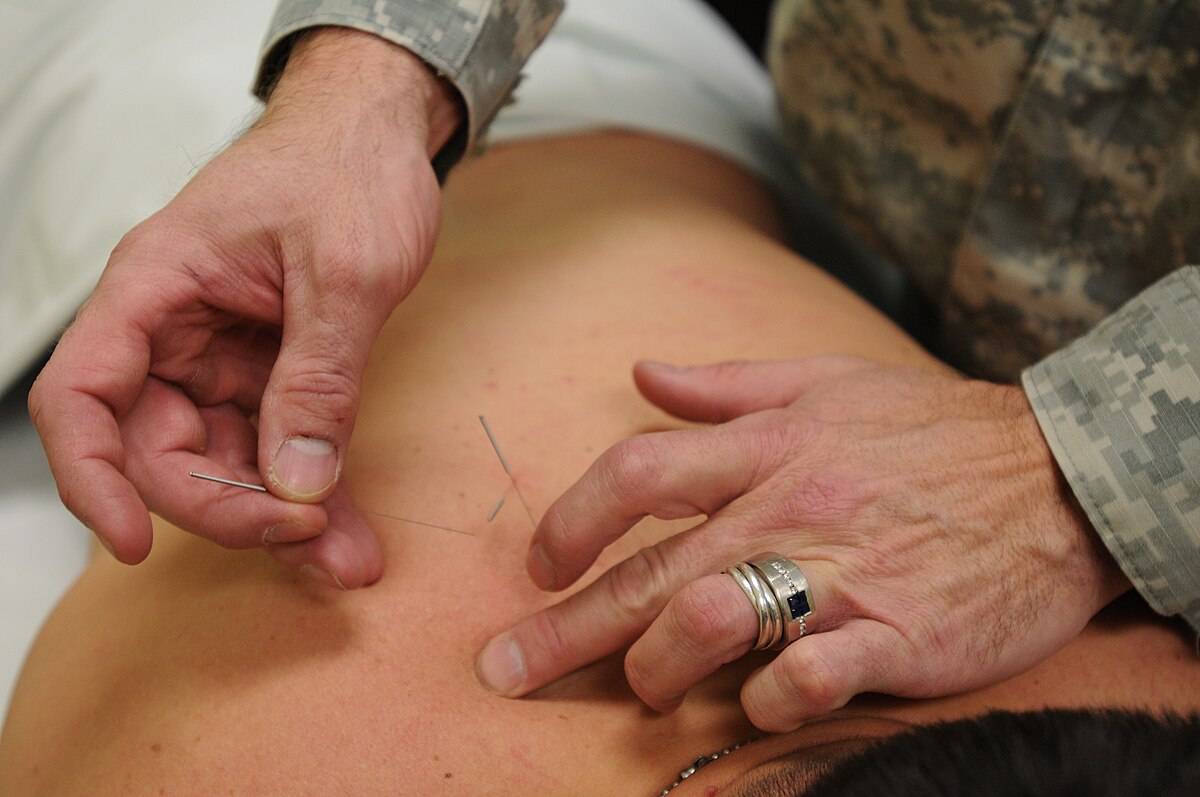
The Honest Answer: Can Acupuncture Help You Lose Weight?
The short answer is: acupuncture can be a meaningful adjunct to weight management — but it is not a standalone weight loss solution. If someone is promising you dramatic weight loss from acupuncture alone, they are overselling.
What the research does support is that acupuncture, when combined with dietary changes and physical activity, can improve outcomes beyond what lifestyle modification alone achieves. The effects are modest but statistically significant, and the biological mechanisms behind them are increasingly well understood.
Let's look at what the evidence actually shows.
What Clinical Research Says
The Numbers
A comprehensive meta-analysis published in BMC Complementary Medicine and Therapies (2020) pooled data from 21 randomized controlled trials involving 1,389 overweight or obese participants. The key findings:
- Acupuncture groups lost an average of 1.56 kg more than control groups (lifestyle intervention alone)
- BMI reduction was 0.55 kg/m² greater in acupuncture groups
- Waist circumference decreased by an additional 1.74 cm compared to controls
- Effects were most pronounced when acupuncture was combined with diet and exercise (not used as a standalone treatment)
A 2019 systematic review in Obesity Reviews analyzed 27 RCTs and reached similar conclusions, noting that auricular (ear) acupuncture showed particularly consistent results for appetite suppression and BMI reduction.
These are not dramatic numbers. But in the context of weight management, where even a 3–5% reduction in body weight produces measurable improvements in metabolic markers (blood pressure, fasting glucose, triglycerides), the additive effect of acupuncture is clinically relevant.
Duration and Frequency
Most studies showing positive results used treatment protocols of 8–12 weeks, with sessions 2–3 times per week. Shorter treatment courses (under 4 weeks) generally showed weaker or non-significant results. This suggests that acupuncture's weight-related effects are cumulative, not immediate.
How Acupuncture Affects Weight: The Biological Mechanisms
Acupuncture does not "melt fat" or directly burn calories. Its effects on weight operate through several well-documented biological pathways.
1. Appetite Regulation
Acupuncture modulates the hypothalamus — the brain region that controls hunger and satiety signals. Specific acupoints (particularly auricular points like Hunger, Shenmen, and Stomach) have been shown to:
- Reduce ghrelin levels — the "hunger hormone" that drives appetite. A 2018 study in Acupuncture in Medicine found that 8 weeks of auricular acupuncture reduced fasting ghrelin by 18% compared to sham acupuncture
- Increase leptin sensitivity — leptin signals satiety to the brain, but overweight individuals often develop leptin resistance. Acupuncture appears to improve this signaling pathway
- Modulate neuropeptide Y (NPY) — a potent appetite stimulant in the hypothalamus. Acupuncture at ST36 and SP6 has been shown to reduce NPY expression in animal models
2. Metabolic Rate Enhancement
- Improved insulin sensitivity: Multiple studies show acupuncture reduces fasting insulin and HOMA-IR (a measure of insulin resistance), which promotes fat metabolism rather than fat storage
- Thyroid function support: Electroacupuncture has shown the ability to modulate thyroid-stimulating hormone (TSH) levels in subclinical hypothyroid patients, potentially addressing a metabolic contributor to weight gain
- Brown fat activation: Preliminary research suggests acupuncture may stimulate brown adipose tissue activity, which burns calories to generate heat. This is an emerging area of investigation
3. Stress and Cortisol Reduction
Chronic stress drives weight gain through sustained cortisol elevation, which promotes visceral fat accumulation — particularly around the abdomen. Acupuncture's well-documented ability to reduce cortisol levels and rebalance the HPA axis addresses this pathway directly.
This is particularly relevant for individuals whose weight gain is closely linked to stress, emotional eating, or sleep disruption.
4. Digestive Function Optimization
In TCM, weight management is fundamentally linked to digestive health — specifically the "Spleen and Stomach" system. Acupuncture at digestive-related points (ST36 Zusanli, SP6 Sanyinjiao, CV12 Zhongwan) has been shown to:
- Regulate gastric motility
- Improve nutrient absorption
- Reduce bloating and water retention
- Normalize bowel function
Types of Acupuncture Used for Weight Management
Body Acupuncture
Traditional needle acupuncture targeting specific meridian points. Common points for weight management include:
- ST36 (Zusanli) — strengthens digestive function, regulates metabolism
- SP6 (Sanyinjiao) — hormonal regulation, fluid metabolism
- CV12 (Zhongwan) — stomach function, appetite regulation
- ST25 (Tianshu) — intestinal motility, abdominal fat
- LI11 (Quchi) — anti-inflammatory, metabolic support
Auricular (Ear) Acupuncture
The ear contains a high density of nerve endings connected to the vagus nerve, which regulates appetite, digestion, and stress response. Auricular acupuncture — sometimes using small semi-permanent ear seeds or press needles — is one of the most studied approaches for weight-related applications.
Key auricular points: Hunger Point, Shenmen, Stomach, Endocrine, and Spleen.
Electroacupuncture
Mild electrical stimulation applied to acupuncture needles. Research suggests electroacupuncture may be more effective than manual acupuncture for metabolic outcomes, possibly due to enhanced stimulation of the autonomic nervous system and increased endorphin release.
What TCM Weight Management Looks Like in Practice
A comprehensive TCM approach to weight management goes beyond needles. In a clinical setting in China, a typical program might include:
Initial Assessment:
- TCM constitutional diagnosis (tongue, pulse, symptom pattern analysis)
- Identification of the underlying TCM pattern — common patterns include Spleen Qi deficiency (slow metabolism, fatigue, bloating), Liver Qi stagnation (stress-related eating, abdominal distension), Dampness accumulation (water retention, heavy sensation), or Stomach Heat (excessive appetite, acid reflux)
Treatment Protocol:
- Acupuncture sessions 2–3 times per week for 8–12 weeks
- Auricular seed placement for between-session appetite management
- Customized herbal formula targeting the identified TCM pattern
- Dietary guidance based on TCM food therapy principles (not calorie counting, but food selection based on thermal nature and organ affinity)
- Movement recommendations (Tai Chi, Qigong, or walking — gentle but consistent)
Follow-Up:
- Bi-weekly assessment and protocol adjustment
- Gradual reduction in treatment frequency as progress stabilizes
Who Benefits Most?
Based on the research and clinical experience, acupuncture for weight management tends to be most effective for:
- Individuals with stress-driven weight gain (high cortisol, emotional eating patterns)
- People with metabolic sluggishness (borderline thyroid issues, insulin resistance, PCOS-related weight gain)
- Those experiencing digestive dysfunction contributing to weight retention (bloating, slow transit, poor nutrient absorption)
- People who have plateaued on diet and exercise programs and need an additional lever
- Individuals who prefer non-pharmacological approaches to weight management support
Who Should Not Rely on Acupuncture for Weight Loss
- Anyone seeking rapid, dramatic weight loss — acupuncture effects are gradual and modest
- Individuals with untreated endocrine disorders (e.g., Cushing's syndrome, severe hypothyroidism) — these require medical treatment first
- People not willing to make concurrent dietary and lifestyle changes — acupuncture alone is insufficient
Experiencing TCM Weight Management in China
For those interested in a more immersive approach, China offers access to integrated TCM weight management programs that are difficult to find elsewhere. These combine acupuncture, herbal medicine, dietary therapy, and traditional movement practices (Tai Chi, Qigong) within established TCM hospitals and clinics — at a fraction of the cost of similar programs in Western countries.
OriEast can help coordinate consultations, clinic bookings, and translation services for international patients interested in exploring TCM approaches to weight management in Shanghai and other major Chinese cities.
Questions about TCM for weight management? Reach out through our contact page for a free initial consultation.