For the millions of couples navigating infertility, the emotional and financial toll can be overwhelming. IVF success rates, while improving, still hover around 30-40% per cycle for women under 35 — and drop significantly with age. Patients understandably look for every evidence-based advantage they can find.
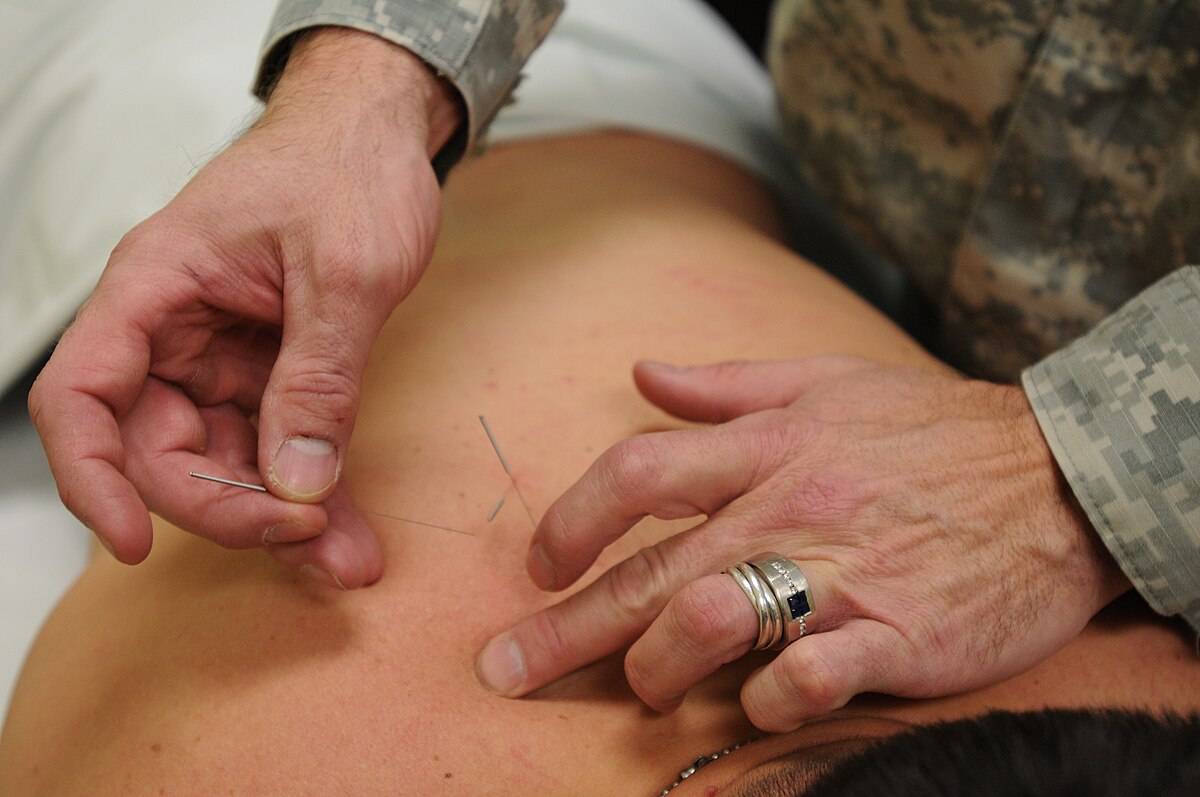
Acupuncture has emerged as one of the most studied complementary therapies in reproductive medicine. The research base is no longer speculative: multiple randomized controlled trials and meta-analyses now show that acupuncture, when properly timed and administered, can meaningfully improve fertility outcomes — both for natural conception and as an adjunct to IVF.
What follows is a look at the clinical evidence, the biological mechanisms involved, what a fertility acupuncture protocol actually looks like, and why China's integrated TCM-and-reproductive-medicine hospitals offer something that standalone acupuncture clinics in other countries cannot replicate.
If you are considering IVF in China, our IVF and fertility treatment guide covers costs, hospitals, and the full process. For a broader understanding of acupuncture, start with our acupuncture therapy guide.
What the Clinical Evidence Actually Shows
The evidence for fertility acupuncture has matured significantly over the past decade. Here is what well-designed clinical studies have found.
Acupuncture and IVF Success Rates
The landmark research area is acupuncture administered around the time of embryo transfer during IVF. Several high-quality meta-analyses have addressed this question:
Key findings from published research:
| Study / Meta-Analysis | Finding | Sample Size |
|---|---|---|
| Manheimer et al. (BMJ, 2008) | Acupuncture on the day of embryo transfer increased clinical pregnancy rate by 65% (OR 1.65) | 1,366 patients across 7 RCTs |
| Zheng et al. (Scientific Reports, 2012) | Acupuncture improved clinical pregnancy rate (RR 1.21) and live birth rate (RR 1.23) when given around embryo transfer | 5,807 patients across 24 RCTs |
| Smith et al. (Cochrane Review, updated) | Evidence of benefit for acupuncture around embryo transfer, though noting heterogeneity in protocols | Multiple RCTs reviewed |
| Qian et al. (Gynecological Endocrinology, 2017) | Electroacupuncture improved clinical pregnancy rate by 30% in IVF patients | Meta-analysis of 7 RCTs |
What these numbers mean in practice: If baseline IVF success rates are around 35% per cycle, acupuncture around embryo transfer has been associated with improvements to roughly 42-50% — a clinically meaningful difference, especially when compounded over multiple cycles.
Acupuncture and Natural Fertility
For couples trying to conceive naturally or with less invasive treatments like IUI, the evidence for acupuncture is also positive, though the research base is smaller:
- Improved ovulation in women with PCOS — multiple studies show acupuncture can regulate menstrual cycles and improve ovulation rates in polycystic ovary syndrome, one of the most common causes of female infertility
- Improved sperm quality — randomized trials have demonstrated improvements in sperm motility, morphology, and concentration following acupuncture treatment in men with subfertile semen parameters
- Reduced stress and anxiety — fertility treatment is intensely stressful, and stress itself negatively impacts reproductive hormones. Acupuncture's well-documented anxiolytic effects may contribute to improved outcomes through this pathway
- Improved endometrial receptivity — studies using uterine artery Doppler show that acupuncture can increase uterine blood flow, which is associated with better endometrial thickness and receptivity for embryo implantation
How Acupuncture Affects Fertility: The Biological Mechanisms
Acupuncture's effects on fertility are not mystical — they are measurable and increasingly well-understood. Here are the primary biological pathways through which acupuncture influences reproductive function.
1. Neuroendocrine Regulation
Acupuncture stimulates specific nerve fibers that signal the hypothalamus and pituitary gland — the master controllers of reproductive hormones. This affects:
- Gonadotropin-releasing hormone (GnRH) — acupuncture modulates GnRH pulsatility, which in turn regulates FSH and LH secretion
- Follicle-stimulating hormone (FSH) — improved FSH regulation can enhance follicular development and egg quality
- Luteinizing hormone (LH) — more appropriate LH surges support better ovulation timing
- Progesterone — acupuncture has been shown to support luteal phase progesterone levels, critical for embryo implantation and early pregnancy maintenance
This neuroendocrine pathway is the most robustly supported mechanism in the research literature. It explains why acupuncture can improve outcomes across different fertility scenarios — from natural conception to IVF.
2. Uterine Blood Flow
Multiple studies using transvaginal ultrasound with Doppler have demonstrated that acupuncture increases blood flow to the uterus and ovaries. Specifically:
- Reduced uterine artery resistance (Pulsatility Index) — indicating improved blood flow to the endometrium
- Increased endometrial thickness — a thicker, well-vascularized endometrium provides a better environment for embryo implantation
- Improved ovarian blood flow — which may support follicular development and egg quality
The specific acupuncture points most studied for this effect include SP6 (Sanyinjiao), ST29 (Guilai), and CV4 (Guanyuan) — points that TCM has used for gynecological conditions for centuries, and which modern imaging has now confirmed do affect pelvic blood flow.
3. Stress Response and Cortisol Modulation
The fertility-stress connection is bidirectional: infertility causes stress, and stress impairs fertility. Acupuncture intervenes at both levels:
- Reduced cortisol levels — chronic elevated cortisol suppresses GnRH, disrupting the entire reproductive hormone cascade
- Beta-endorphin release — acupuncture stimulates endogenous opioid release, which influences GnRH regulation and promotes relaxation
- Autonomic nervous system balance — acupuncture shifts the body from sympathetic (stress) dominance toward parasympathetic (rest-and-restore) activity, which is more favorable for reproductive function
For IVF patients specifically, the anxiety surrounding egg retrieval and embryo transfer can elevate cortisol at the exact moments when a calm physiological state is most beneficial. Acupuncture sessions immediately before and after embryo transfer address this directly.
4. Anti-Inflammatory Effects
Chronic low-grade inflammation is increasingly recognized as a factor in unexplained infertility, recurrent implantation failure, and endometriosis-related subfertility. Acupuncture has documented anti-inflammatory effects:
- Reduced inflammatory cytokines (IL-6, TNF-α) in the endometrium
- Modulation of immune cell activity at the implantation site
- Reduction of endometriosis-related inflammation in studies using both acupuncture and electroacupuncture
What a Fertility Acupuncture Protocol Looks Like
Fertility acupuncture is not a single treatment — it is a structured protocol that aligns with your menstrual cycle phases or your IVF treatment timeline.
For Natural Conception
A typical fertility acupuncture protocol for natural conception runs 3-6 months and is structured around the menstrual cycle:
Follicular Phase (Day 1-13):
- Focus: nourish yin, support follicular development
- Key points: KI3 (Taixi), SP6 (Sanyinjiao), CV4 (Guanyuan), ST36 (Zusanli)
- Herbal support: formulas that nourish kidney yin and blood (e.g., Gui Shao Di Huang Tang modifications)
- Frequency: 1-2 sessions per week
Ovulation Phase (Day 13-15):
- Focus: promote smooth ovulation, move qi and blood
- Key points: LI4 (Hegu), LR3 (Taichong), SP6, KI3
- Timing: treatment ideally 1-2 days before expected ovulation
- Frequency: 1 session
Luteal Phase (Day 15-28):
- Focus: warm the uterus, support implantation, strengthen kidney yang
- Key points: CV4, CV6 (Qihai), ST36, KI7 (Fuliu), BL23 (Shenshu)
- Moxibustion: gentle warming at CV4 and BL23 to support yang
- Herbal support: formulas that warm kidney yang and support progesterone (e.g., You Gui Wan modifications)
- Frequency: 1-2 sessions per week
For IVF Support
When acupuncture is combined with IVF, the protocol integrates with the medical treatment timeline:
Pre-IVF Preparation (2-3 months before cycle):
- General constitution building: improve ovarian reserve indicators, regulate menstrual cycle
- Weekly acupuncture sessions
- Herbal medicine to support egg quality (discontinued before IVF medications begin)
During Ovarian Stimulation:
- Support follicular response to medications
- Manage side effects (bloating, mood changes, headaches)
- 2 sessions per week during stimulation
Around Egg Retrieval:
- Pre-retrieval session to reduce anxiety and support blood flow
- Post-retrieval session to reduce inflammation and support recovery
Embryo Transfer Day (the most studied intervention):
- 25 minutes before transfer: acupuncture to increase uterine blood flow and reduce uterine contractions
- 25 minutes after transfer: acupuncture to promote relaxation and support implantation
- This specific pre-and-post protocol is what most of the positive clinical trial data is based on
Post-Transfer / Early Pregnancy:
- Weekly sessions for 8-12 weeks to support early pregnancy maintenance
- Focus shifts to preventing miscarriage and managing early pregnancy symptoms
Acupuncture for Male Fertility
Male factor accounts for roughly 40-50% of infertility cases, yet it often receives less attention in fertility treatment plans. Acupuncture addresses male fertility through several documented pathways:
What the research shows:
- Improved sperm motility — a systematic review of 12 RCTs found that acupuncture significantly improved progressive motility in men with subfertile semen parameters
- Improved sperm morphology — studies show increased percentage of normal-form sperm after 8-12 weeks of acupuncture treatment
- Improved sperm concentration — particularly in cases of oligospermia (low sperm count)
- Reduced DNA fragmentation — high sperm DNA fragmentation is associated with poor IVF outcomes and recurrent miscarriage. Acupuncture has been shown to reduce fragmentation indices
Typical male fertility acupuncture protocol:
- Duration: 10-12 weeks (one full spermatogenesis cycle is approximately 72 days)
- Frequency: 2 sessions per week
- Key points: CV4, ST36, SP6, KI3, BL23, BL32
- Often combined with herbal medicine targeting kidney yang and essence
Why China Offers a Unique Advantage for Fertility Acupuncture
Acupuncture for fertility is available worldwide. So why does it matter where you receive it? Because there is a fundamental difference between acupuncture as an isolated technique and acupuncture as part of an integrated medical system.
The Integrated Hospital Model
In China's top medical institutions, TCM departments and reproductive medicine departments operate within the same hospital system. This means:
- Your acupuncturist and your reproductive endocrinologist communicate directly. Treatment protocols are coordinated, not siloed. The acupuncture schedule is designed around your specific IVF timeline, medication dosages, and hormonal responses — not a generic "fertility acupuncture" protocol applied to everyone.
- Herbal medicine is prescribed by licensed TCM physicians with hospital privileges, not by acupuncturists operating outside the medical system. Herb-drug interactions with fertility medications are actively managed.
- Real-time monitoring informs TCM treatment adjustments. When your follicular scan shows a thin endometrium, your TCM physician can adjust the acupuncture protocol and herbal formula immediately — in the same facility, on the same visit.
This level of integration simply does not exist in most Western healthcare settings, where acupuncture is typically sought independently of the fertility clinic, with no communication between practitioners.
Depth of TCM Diagnostic Training
Chinese TCM physicians complete 5-8 years of university-level training that includes both TCM and Western medicine. A fertility-focused TCM physician in a Chinese hospital can:
- Read and interpret hormone panels, ultrasound reports, and semen analyses
- Differentiate between TCM pattern diagnoses (kidney yin deficiency, liver qi stagnation, blood stasis, damp-heat) and tailor treatment accordingly
- Combine acupuncture, herbal medicine, moxibustion, and dietary therapy into a coherent treatment plan
- Adjust treatment in response to Western medical findings in real time
In contrast, acupuncturists in many Western countries complete 3-4 year programs with limited training in reproductive medicine and no integration with hospital systems.
Clinical Volume and Specialization
China's fertility acupuncture practitioners see patient volumes that drive deep specialization. At hospitals like Jiangsu Province Hospital of TCM, Shanghai Municipal Hospital of TCM, and Guangdong Provincial Hospital of TCM, fertility-focused acupuncture departments treat thousands of patients annually. This concentrated experience produces pattern recognition and protocol refinement that general-practice acupuncturists simply cannot develop.
Leading Hospitals for Fertility Acupuncture in China
| Hospital | Location | Specialty Strength | Integration Model |
|---|---|---|---|
| Jiangsu Province Hospital of TCM (Nanjing) | Nanjing | Reproductive acupuncture research; large-scale clinical trials | TCM + reproductive medicine departments in same hospital |
| Shanghai Municipal Hospital of TCM | Shanghai | Fertility acupuncture protocols; PCOS management | Integrated outpatient coordination |
| Guangdong Provincial Hospital of TCM | Guangzhou | Male infertility; herbal-acupuncture combined protocols | Strong research program |
| China Academy of Chinese Medical Sciences (Guang'anmen Hospital) | Beijing | Advanced electroacupuncture protocols for IVF support | Academic research center |
| Zhejiang Provincial Hospital of TCM | Hangzhou | Endometriosis-related infertility; menstrual cycle regulation | Integrated fertility center |
For patients seeking both IVF and TCM support, several hospitals offer coordinated programs where your reproductive endocrinologist and TCM physician design a unified treatment plan. OriEast can arrange consultations at these integrated programs and coordinate your entire treatment timeline.
What to Expect: Timeline and Costs
Treatment Timeline
| Phase | Duration | Sessions | Purpose |
|---|---|---|---|
| Pre-conception preparation | 2-3 months | 2x/week (16-24 sessions) | Build constitution, regulate cycle, improve egg/sperm quality |
| IVF cycle support | 4-6 weeks | 2-3x/week (8-18 sessions) | Support stimulation, retrieval, transfer |
| Post-transfer support | 8-12 weeks | 1x/week (8-12 sessions) | Support implantation and early pregnancy |
Cost Comparison
| Service | China | United States | United Kingdom | Australia |
|---|---|---|---|---|
| Single acupuncture session | $30-$60 | $75-$150 | $50-$100 | $70-$120 |
| Full IVF-support protocol (20-30 sessions) | $600-$1,800 | $1,500-$4,500 | $1,000-$3,000 | $1,400-$3,600 |
| Herbal medicine (per month) | $50-$150 | $100-$300 | $80-$200 | $100-$250 |
| Combined IVF + TCM package in China | $5,000-$10,000 | N/A (separate providers) | N/A | N/A |
The combined IVF + TCM package in China includes the IVF cycle, all acupuncture sessions, herbal medicine, and coordinated care — at a total cost that is often less than IVF alone in the US or Australia.
Frequently Asked Questions
Does acupuncture really improve IVF success rates?
Yes — the evidence from multiple meta-analyses supports a meaningful improvement in clinical pregnancy rates when acupuncture is administered around the time of embryo transfer. The most consistent finding is a 20-65% relative improvement in pregnancy rates. This does not guarantee success, but it represents a clinically significant increase in probability.
When should I start acupuncture if I'm planning IVF?
Ideally, 2-3 months before your IVF cycle begins. This allows time to optimize your overall reproductive health, regulate your menstrual cycle, and address any underlying TCM pattern imbalances. If that timeline isn't possible, starting during ovarian stimulation and receiving treatment on embryo transfer day still provides benefit.
Is acupuncture safe during IVF?
Yes. Acupuncture performed by a trained practitioner is safe throughout the IVF process. In published clinical trials involving thousands of patients, no serious adverse events were attributed to acupuncture. The most common side effect is mild bruising at needle insertion points.
Can acupuncture help with recurrent miscarriage?
Emerging evidence suggests acupuncture may support early pregnancy maintenance through improved uterine blood flow, progesterone support, and immune modulation. For patients with recurrent pregnancy loss, a TCM physician will conduct a detailed pattern diagnosis to identify and address the underlying imbalance — which may differ significantly between patients.
Does my partner need acupuncture too?
If male factor is contributing to your fertility challenges, yes — acupuncture for your partner can improve sperm parameters over a 10-12 week treatment course. Even when semen analysis appears normal, acupuncture may improve sperm DNA integrity, which standard tests do not measure.
Can I receive fertility acupuncture at the same hospital where I do IVF in China?
At several leading hospitals, yes. This integrated model — where your reproductive endocrinologist and TCM physician coordinate directly — is one of China's strongest advantages. Contact OriEast to learn which hospitals offer coordinated IVF + TCM programs that match your specific situation.
How is fertility acupuncture in China different from what I can get locally?
Three key differences: (1) TCM physicians in Chinese hospitals have deeper training in both TCM diagnosis and Western reproductive medicine; (2) treatment is integrated with your IVF team, not delivered in isolation; and (3) you have access to pharmaceutical-grade herbal medicine prescribed by hospital-credentialed physicians and monitored for herb-drug interactions with your fertility medications.