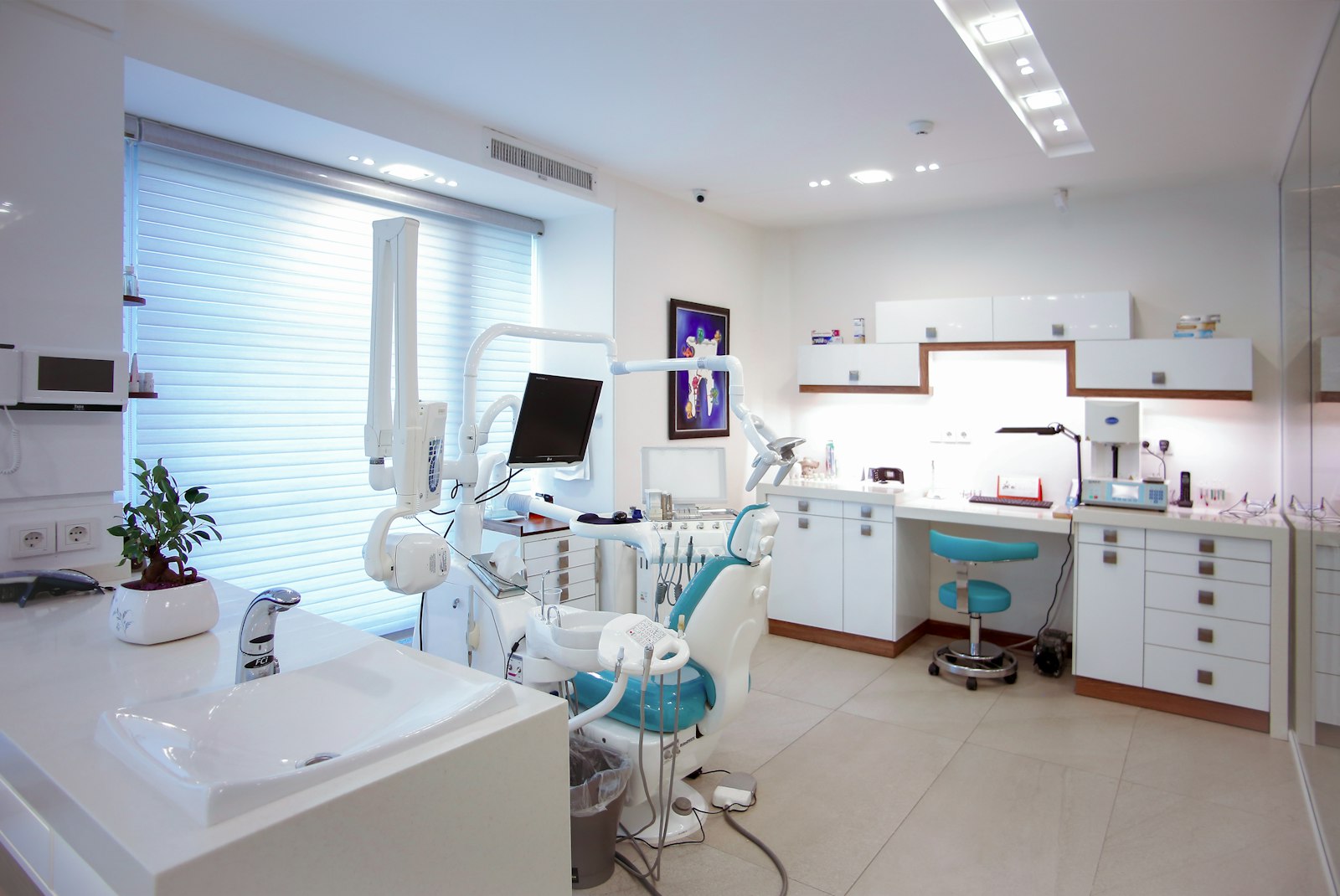
Getting dental implants abroad is one of the most significant healthcare decisions you can make. It involves surgery, months of healing, and a financial commitment — so it is completely natural to feel uncertain about doing it in another country. Where will you go? Who will treat you? What if something goes wrong?
In practice, a complete dental implant journey in China typically involves two trips: the first for consultation, surgery, and temporary restoration (5-10 days), and the second for final crown placement (3-5 days) after 3-6 months of osseointegration. Total cost ranges from $700-$1,500 per single implant with crown, or $6,000-$12,000 for full-arch All-on-4 — and success rates at top Chinese dental hospitals match global benchmarks at 95-98% over 10 years, using the same premium implant systems (Straumann, Nobel Biocare, Osstem) found in Western clinics. What follows is a step-by-step account of what actually happens at each stage, what it costs, and how to prepare.
If you are primarily interested in pricing, see our dedicated dental implants cost comparison. For a broader look at how China compares with other dental tourism destinations, read our China vs Mexico vs Turkey comparison. This article focuses on the experience itself.
The Complete Timeline at a Glance
Before we dive into details, here is an overview of the entire journey from start to finish:
| Phase | Where You Are | Duration | What Happens |
|---|---|---|---|
| Phase 1: Research & Virtual Consultation | Home | 1–3 weeks | Initial inquiry, records sharing, preliminary treatment plan |
| Phase 2: Treatment Planning & Preparation | Home | 1–2 weeks | Finalize plan, book travel, pre-travel health prep |
| Phase 3: Arrival & First Visit | China | Day 1–2 | CBCT scan, clinical exam, final treatment plan confirmation |
| Phase 4: Surgery Day | China | Day 2–4 | Implant placement, temporary prosthesis if needed |
| Phase 5: Initial Recovery | China | Day 4–10 | Post-op monitoring, suture check, healing assessment |
| Phase 6: Osseointegration | Home | 3–6 months | Bone fuses with implant; remote monitoring check-ins |
| Phase 7: Final Restoration | China (return trip) | 3–5 days | Abutment placement, final crown or bridge fitting |
| Ongoing: Aftercare | Home | Lifelong | Regular dental check-ups, hygiene maintenance |
Total active time in China: Approximately 8–15 days across two trips Total timeline from start to finish: 4–8 months
Phase 1: Research and Virtual Consultation (From Home)
Your implant journey begins long before you set foot on a plane. This phase is about gathering information, sharing your dental records, and getting a realistic picture of what treatment will involve.
Step 1: Initial Inquiry and Information Gathering
Most patients start by reaching out to a medical tourism facilitator like OriEast or directly to an international patient department at a Chinese dental hospital. You will typically be asked to provide:
- Recent dental X-rays or panoramic radiographs (OPG). If you have had a CBCT (cone beam computed tomography) scan within the past 6 months, that is even better.
- A brief dental history — previous extractions, root canals, gum disease treatment, any existing implants or bridges.
- Medical history — current medications, chronic conditions (diabetes, osteoporosis, heart disease), smoking status, and any allergies.
- Photos of your teeth — front, left, right, upper arch, and lower arch views. Your coordinator will guide you on how to take these.
- A description of what you want — are you replacing a single missing tooth? Several teeth? Looking at a full-arch solution?
This information allows the dental team to perform a preliminary assessment without you traveling anywhere.
Step 2: Virtual Consultation
Within 3–7 business days of submitting your records, you will typically receive:
- A preliminary treatment plan outlining the recommended approach (single implants, implant bridge, All-on-4, etc.)
- A cost estimate broken down by procedure, implant brand, and materials
- A recommended timeline including how many trips and how long each visit should be
- Implant brand options with explanations of the differences
Many clinics offer a video consultation with the treating dentist or oral surgeon. This is your opportunity to ask questions, understand the rationale behind the proposed plan, and get a feel for the doctor's communication style.
What to ask during the virtual consultation:
- How many similar cases has the surgeon performed?
- Which implant brand and model do you recommend, and why?
- What is the expected timeline for my specific case?
- Will bone grafting or sinus lifting be required?
- What happens if I experience complications after returning home?
- Can I see before-and-after photos of similar cases?
Step 3: Choosing Your Hospital and Implant System
China offers dental care across a wide range of institutions — from massive public university hospitals to private boutique clinics with dedicated international departments. For dental implant patients from overseas, the most common choices include:
Public university hospitals such as the Ninth People's Hospital in Shanghai (affiliated with Shanghai Jiao Tong University) and Peking University School of Stomatology in Beijing. These are among Asia's top-ranked dental institutions with enormous case volumes. They tend to be more affordable but can feel less "patient-experience" oriented for international visitors.
Private dental hospitals and chains such as Arrail Dental, Bybo Dental, and Retime Dental. These cater more explicitly to international patients with English-speaking staff, shorter wait times, and more comfortable facilities. Pricing is higher than public hospitals but still dramatically less than Western rates.
JCI-accredited hospitals with dental departments that maintain international-standard protocols across the board.
When selecting your implant system, you will typically choose from several tiers:
| Implant Brand | Origin | Tier | Approximate Cost in China (Implant + Crown) | Notes |
|---|---|---|---|---|
| Straumann BLX / BLT | Switzerland | Premium | $1,200 – $1,800 | Gold standard. Highest documented long-term success rates. SLActive surface technology for faster osseointegration. |
| Nobel Biocare | Sweden/US | Premium | $1,100 – $1,700 | Pioneered modern implantology. Excellent for complex full-arch cases (All-on-4 protocol originator). |
| Dentsply Sirona (Astra Tech) | Sweden | Premium | $1,000 – $1,500 | BioManagement Complex design. Strong soft-tissue integration. |
| Osstem | South Korea | Mid-tier | $700 – $1,100 | World's 4th-largest implant manufacturer. Excellent clinical data. Very popular across Asia. |
| Dentium | South Korea | Mid-tier | $600 – $1,000 | Strong track record. SuperLine and Implantium systems well-documented. |
| MegaGen | South Korea | Mid-tier | $650 – $1,050 | AnyRidge system with unique thread design for compromised bone. |
| Chinese domestic brands | China | Economy | $400 – $700 | CDIC, ZDI, and others. Improving quality, but less long-term clinical data. Suitable for budget-conscious patients. |
A 2019 systematic review in the Journal of Dental Research found that premium implant systems (Straumann, Nobel Biocare) demonstrated 10-year survival rates of 96.4% for Straumann and comparable rates for Nobel Biocare, while Korean systems like Osstem have shown 5-year survival rates exceeding 97% in clinical studies. The differences between premium and mid-tier brands are increasingly narrow for straightforward single-implant cases, though premium systems may offer advantages in complex or compromised-bone scenarios.
For a deeper dive into how implant brands affect outcomes and value, see our dental implant quality guide.
Phase 2: Treatment Planning and Preparation (From Home)
Once you have agreed on a treatment plan and selected your hospital, the preparation phase begins.
Finalizing Your Treatment Plan
Your dental coordinator will provide a detailed treatment plan document that includes:
- Specific procedures and sequence
- Implant brand, model, and size (preliminary — confirmed after in-person CBCT)
- Estimated number of visits and days required in China
- Itemized cost breakdown
- Payment schedule and methods accepted
- What is included (and what is not)
Review this carefully. Make sure you understand what happens if additional procedures are needed — for example, if a bone graft is required that was not anticipated from your initial X-rays. Reputable hospitals will include a clear policy on this.
Pre-Travel Health Preparation
Dental preparation at home:
- If you have active gum disease (periodontitis), get it treated before traveling. Placing implants in inflamed gum tissue significantly increases failure risk. A 2010 study in Clinical Oral Implants Research found that patients with untreated periodontitis had implant failure rates 2–3 times higher than those with healthy or treated periodontal conditions.
- Have any necessary extractions performed at least 6–8 weeks before your trip, if your dentist at home recommends it. In some cases, your Chinese surgeon may prefer to extract and place the implant in the same session (immediate placement), so discuss this during the virtual consultation.
- Get a professional dental cleaning 2–4 weeks before travel.
Medical preparation:
- If you take blood thinners (warfarin, aspirin, clopidogrel), discuss with both your prescribing doctor and the Chinese surgical team about whether and when to discontinue them.
- If you have diabetes, work to stabilize your blood sugar. HbA1c levels above 8% are associated with higher implant failure rates, as documented in a meta-analysis published in Clinical Oral Implants Research.
- If you are a smoker, stop or significantly reduce smoking at least 2 weeks before surgery and plan to abstain for at least 8 weeks after. Smoking is one of the strongest modifiable risk factors for implant failure — a systematic review in the International Journal of Oral & Maxillofacial Implants found that smokers had roughly double the implant failure rate of non-smokers.
- Ensure your vaccinations are up to date. No special vaccinations are required for China, but hepatitis B vaccination is recommended for any medical travel.
Booking Travel and Accommodation
Flights:
Major international airports in China for dental tourism patients include Shanghai Pudong (PVG), Beijing Capital (PEK), Guangzhou Baiyun (CAN), and Shenzhen Bao'an (SZX). Direct flights from most major Western cities are available, though many routes connect through hubs in the Middle East or East Asia.
Book flexible tickets if possible — while your itinerary is planned in advance, there is always a chance that the surgical team may recommend adjusting the schedule based on findings at your first appointment.
Accommodation:
Most dental tourism patients stay in hotels near the hospital rather than in medical facilities. A comfortable hotel within 15–20 minutes of your dental hospital is ideal. Budget $50–$150 per night for a clean, comfortable hotel with English-speaking staff. Many international hotel chains (Marriott, Hilton, Hyatt, IHG) are present in all major Chinese cities.
Your OriEast coordinator can recommend hotels that other international dental patients have used, often with negotiated rates.
Visa:
Most international patients enter China on a standard tourist visa (L visa) or, for treatment at invited hospitals, a medical visa (M visa). Processing times vary by country but typically take 5–10 business days. For detailed visa guidance, see our China visa guide.
What to Pack: The Dental Tourism Checklist
| Category | Items | Why |
|---|---|---|
| Medical Documents | Dental X-rays/CBCT on USB drive, medical history summary, medication list, treatment plan confirmation, travel insurance policy | Your Chinese dental team needs these on Day 1 |
| Medications | Current prescriptions in original packaging, over-the-counter pain relief (ibuprofen, acetaminophen), any prescribed antibiotics or mouth rinse | Pharmacies in China carry most medications, but having your own supply avoids language-barrier issues |
| Recovery Comfort | Soft foods/snacks for the flight home (protein shakes, meal replacement bars), travel pillow that supports upright sleeping, cold pack (gel type, for carry-on), lip balm | Post-surgery comfort during travel and hotel recovery |
| Oral Care | Extra-soft toothbrush, non-alcohol mouthwash (chlorhexidine if prescribed), interdental brushes, dental wax (if you wear temporary prosthesis) | Maintaining oral hygiene post-surgery is critical |
| Tech & Communication | Phone with WeChat installed, VPN if needed, portable Wi-Fi device or local SIM card, translation app | WeChat is essential for communication in China, including with your medical team |
| Clothing | Button-up or zip-up tops (avoid pulling over head post-surgery), comfortable loose clothing, layers for hospital air conditioning | Practical comfort during recovery days |
| General Travel | Passport with 6+ months validity, visa, travel insurance documents, copies of all documents (digital and paper), power adapter (Type A/I for China) | Standard but critical |
Phase 3: Arrival in China and Your First Visit
You have landed in China. This is where the clinical journey truly begins.
Day 1: Arrival and Settling In
Most patients arrive the day before their first dental appointment. Use this day to:
- Check into your hotel and rest after the flight. Jet lag is real — give your body time to adjust.
- Meet your coordinator (if using a facilitation service like OriEast). They will confirm your appointment schedule, review logistics, and answer last-minute questions.
- Download and set up WeChat if you have not already. This is the primary communication tool in China — your dental team, coordinator, and even hotel concierge will likely use it.
- Eat a good meal. Once surgery happens, you will be on a soft-food diet for a while, so enjoy your last unrestricted meal.
- Review your questions. Write down anything you want to ask the dentist the next day.
Day 2: First Clinical Visit
Your first appointment at the dental hospital is the most important — it is where the plan meets reality. Here is what typically happens:
Registration and intake (30–60 minutes): You will check in at the international patient department or VIP clinic. Paperwork, including consent forms and medical history verification, is handled here. If you are at a larger hospital, expect a hospital card and electronic health record to be created.
CBCT scan and clinical examination (30–45 minutes): Even if you brought X-rays from home, most hospitals will perform a fresh CBCT (cone beam computed tomography) scan. This 3D imaging provides the surgical team with precise measurements of:
- Bone density and volume at each implant site
- Proximity to the inferior alveolar nerve (critical for lower jaw implants)
- Sinus floor position (relevant for upper jaw posterior implants)
- Any pathology (cysts, infections, bone loss) not visible on standard X-rays
The scan is quick, painless, and takes about 20 seconds.
Treatment plan confirmation (30–60 minutes): The treating surgeon reviews your CBCT images with you — often on a large screen where you can see the 3D model of your jaw. This is the moment where the preliminary plan from your virtual consultation is confirmed, adjusted, or, occasionally, changed.
Common adjustments include:
- Bone grafting may be needed. Your X-rays from home showed adequate bone, but the CBCT reveals insufficient width or density at one or more implant sites. The surgeon will explain the grafting options (autograft, allograft, xenograft, or synthetic) and how this affects the timeline and cost.
- Sinus lift may be required. For upper jaw posterior implants, the sinus floor may be too close to the implant site. A sinus lift adds bone material beneath the sinus membrane. This is a well-established procedure — a meta-analysis in the International Journal of Oral & Maxillofacial Surgery reported implant survival rates of 95.9% following sinus augmentation.
- Immediate placement may be possible. If a tooth needs extraction and the surrounding bone is healthy, the surgeon may recommend extracting and placing the implant in the same session, reducing the total number of procedures.
- Implant size or position adjustments. The 3D data may suggest a different implant diameter or length than originally planned.
The surgeon will walk you through any changes, explain the rationale, and provide an updated cost estimate before proceeding. You should never feel pressured to agree immediately — take time to consider any significant changes.
Impressions and records (if applicable, 15–30 minutes): If you are receiving a temporary prosthesis or an immediate-load restoration, digital or physical impressions may be taken at this visit so the dental lab can begin fabrication.
Phase 4: Surgery Day
This is the day many patients are most anxious about. Understanding exactly what happens — and how routine it is for experienced surgical teams — can help enormously.
Before Surgery
- Eat a light breakfast unless instructed otherwise (for IV sedation or general anesthesia cases, you will be asked to fast).
- Take prescribed medications — typically a prophylactic antibiotic (amoxicillin or clindamycin for penicillin-allergic patients) and possibly a mild anti-anxiety medication if requested.
- Wear comfortable, loose clothing and remove any jewelry.
- Arrive 30–60 minutes early for preparation.
Anesthesia Options
| Type | What It Involves | Best For | You Will Feel |
|---|---|---|---|
| Local anesthesia | Injections in the gum tissue around the implant site | 1–3 implants, straightforward cases | Pressure but no pain. Fully conscious. |
| Local + oral sedation | Local anesthesia plus a sedative pill (midazolam or similar) | Anxious patients, moderate procedures | Deeply relaxed, drowsy. May not remember much. |
| Local + IV sedation | Local anesthesia plus intravenous sedation | Multiple implants, bone grafting, longer procedures | Twilight state. Time passes quickly. Little to no memory of the procedure. |
| General anesthesia | Fully unconscious, breathing tube, anesthesiologist present | Full-arch surgery, extensive bone grafting, very anxious patients | Nothing. You wake up when it is over. |
Most single-implant and simple multi-implant procedures are performed under local anesthesia alone. The injections themselves are the most uncomfortable part — once the anesthetic takes effect, you should feel pressure and vibration but no pain.
For more extensive procedures (All-on-4, multiple implants with grafting), IV sedation is common and highly recommended. It makes longer procedures (2–4 hours) far more tolerable.
The Surgical Procedure: What Actually Happens
Here is a step-by-step breakdown of a standard dental implant placement:
1. Anesthesia administration (10–15 minutes) The surgeon numbs the area thoroughly. For IV sedation, an anesthesiologist or nurse places a small catheter in your arm and begins the sedation.
2. Incision and flap elevation (5 minutes) If using a flap technique (most common), the surgeon makes a small incision in the gum tissue and gently folds it back to expose the underlying bone. In some cases, a flapless technique is used with a tissue punch — this is less invasive but requires very precise pre-surgical planning, often with a surgical guide.
3. Osteotomy — drilling the implant site (5–10 minutes per implant) Using a sequence of precision drills of increasing diameter, the surgeon creates a hole in the jawbone exactly matching the dimensions of the chosen implant. This is done under copious irrigation (saline water) to prevent overheating the bone — thermal damage to bone is a primary cause of early implant failure. Modern surgical drills operate at controlled speeds (typically 800–1,500 RPM) with precise torque settings.
You will hear and feel the drilling as pressure and vibration. It sounds more dramatic than it is.
4. Implant insertion (5 minutes per implant) The titanium implant — essentially a precision-engineered screw — is threaded into the prepared site. The surgeon monitors insertion torque carefully. A torque value of 25–45 Ncm is typically ideal for primary stability, though this varies by implant system and bone quality. Higher torque (above 35 Ncm) is generally needed for immediate-loading protocols.
5. Bone grafting (if needed, 15–30 minutes) If there is a gap between the implant and the surrounding bone, or if the bone is thinner than ideal, particulate bone graft material is packed around the implant. A resorbable membrane may be placed over the graft to protect it during healing. This is very common and well-documented — it does not significantly change the long-term success rate of the implant.
6. Cover screw or healing abutment placement (2 minutes) Depending on the surgical protocol, the surgeon places either:
- A cover screw (flush with the bone surface) for a two-stage approach — the implant is completely buried under the gum during healing.
- A healing abutment (protrudes through the gum) for a single-stage approach — this eliminates the need for a second minor surgery to expose the implant later.
7. Sutures (5–10 minutes) The gum tissue is repositioned and sutured closed. Absorbable or non-absorbable sutures may be used depending on the surgeon's preference.
8. Post-operative X-ray (5 minutes) A periapical X-ray is taken immediately to confirm proper implant positioning and check for any issues.
Procedure Duration by Case Type
| Procedure | Typical Duration | Notes |
|---|---|---|
| Single implant (no grafting) | 30–45 minutes | Quick and straightforward |
| Single implant with bone graft | 45–75 minutes | Additional time for graft placement |
| 2–3 implants (same area) | 60–90 minutes | Efficient when grouped together |
| All-on-4 (single arch) | 2–3 hours | Includes extractions, implant placement, and immediate temporary prosthesis |
| All-on-4 (both arches) | 3–5 hours | Usually under IV sedation or general anesthesia |
| Full mouth with bone grafting | 3–6 hours | Most complex scenario |
Immediate After Surgery
When the procedure is complete, you will rest in a recovery area for 30–60 minutes (longer for IV sedation or general anesthesia). Before you leave the clinic, the surgical team will:
- Provide detailed post-operative instructions (typically in both English and your native language)
- Prescribe medications — antibiotics (5–7 days), pain medication, anti-inflammatory medication, and chlorhexidine mouth rinse
- Place gauze over the surgical site and instruct you on how to manage bleeding
- Schedule your follow-up appointments
- Give you emergency contact information
Your coordinator or a companion should accompany you back to the hotel. Do not plan to navigate public transportation alone after sedation.
Phase 5: Recovery in China and the Osseointegration Period
The First 24 Hours
The first day after surgery is when discomfort is typically at its peak. Here is what to expect:
Pain: Moderate. Most patients describe it as a 3–5 on a scale of 10 — significantly less painful than expected. The prescribed pain medication (typically ibuprofen 400–600mg every 6–8 hours, sometimes with acetaminophen) is usually sufficient. Stronger pain medication is available if needed.
Swelling: Expected and normal. Peaks at 48–72 hours. Apply cold packs (20 minutes on, 20 minutes off) for the first 24 hours to minimize swelling.
Bleeding: Light bleeding or oozing is normal for the first 12–24 hours. Bite gently on gauze as instructed. If bleeding is heavy or persistent, contact your surgical team.
Diet: Liquids only for the first 6–12 hours. Smoothies, broth, yogurt, and protein shakes are your best friends. Do not use a straw — the suction can dislodge blood clots.
Activity: Rest. No strenuous activity, no bending over, no heavy lifting. Keep your head elevated, even when sleeping (use extra pillows).
Days 2–3: What to Expect
| Symptom | Day 2 | Day 3 |
|---|---|---|
| Pain | Decreasing. Many patients reduce or stop pain medication. | Mild discomfort. Most patients need only occasional ibuprofen. |
| Swelling | Increasing — peaks around 48–72 hours. Normal and expected. | At peak or beginning to decrease. Bruising may appear on cheek or jaw. |
| Diet | Soft foods — mashed potatoes, scrambled eggs, oatmeal, soup, soft pasta. | Continue soft foods. You may be able to chew gently on the opposite side. |
| Appearance | Swollen. May look like you had wisdom teeth removed. | Still swollen but improving. Bruising may look worse before it gets better. |
| Activity | Short walks are fine. Avoid anything strenuous. | Light activity. Can go out for meals and gentle sightseeing. |
Days 4–7: Turning the Corner
By day 4, most patients feel significantly better. Pain is typically minimal, swelling is visibly decreasing, and you can eat a wider range of soft foods. This is when many patients begin to explore the city — gently.
Follow-up appointment (Day 5–7): Your surgeon will see you for a follow-up check. This typically includes:
- Visual examination of the surgical site
- Assessment of healing and any signs of infection
- Suture removal (if non-absorbable sutures were used — typically at day 7–10)
- Updated X-ray if clinically indicated
- Clearance for travel home
Days 7–10: Preparing to Head Home
By the end of the first week, most patients are ready to fly home. You should be able to:
- Eat a reasonably normal diet (still avoiding very hard, crunchy, or sticky foods on the implant side)
- Manage any residual discomfort with over-the-counter pain relief
- See visible improvement in swelling and bruising
- Feel confident about your home care routine
Before you leave China, make sure you have:
- A complete record of your treatment (procedure notes, X-rays, implant details including brand, model, lot number, and dimensions)
- A clear aftercare instruction sheet
- Prescriptions for any ongoing medications
- Your surgeon's contact information (WeChat is ideal for ongoing communication)
- A scheduled follow-up plan — whether remote check-ins via photos/video or appointments with a local dentist at home
- Your next appointment date for the return trip
Day-by-Day Recovery Summary
| Day | Pain Level (1-10) | What You Can Eat | What You Can Do | Key Tip |
|---|---|---|---|---|
| Day 0 (Surgery) | 2–4 (medicated) | Liquids only | Rest completely | Ice packs 20min on/off |
| Day 1 | 3–5 | Liquids, smoothies, yogurt | Rest, short bathroom walks | Take medications on schedule |
| Day 2 | 3–4 | Soft foods (eggs, mashed potatoes) | Very light activity | Swelling peaks — do not panic |
| Day 3 | 2–4 | Soft foods, soft pasta | Short walks outside | Bruising may appear — normal |
| Day 4 | 1–3 | Wider soft diet | Light sightseeing | Most patients feel much better |
| Day 5 | 1–2 | Most soft foods | Normal light activity | Follow-up appointment usually |
| Day 7 | 0–2 | Near-normal diet (avoid hard foods) | Normal activity | Possible suture removal |
| Day 10 | 0–1 | Most foods (avoid implant-side chewing) | Full normal activity | Cleared for travel home |
What to Do in China During Recovery
One of the silver linings of dental tourism is the travel experience itself. While you should not be running marathons, your recovery days in China can still be enjoyable.
Shanghai
Shanghai is the most popular destination for international dental patients in China, and for good reason. The city is highly international, English is relatively widely spoken in service industries, and the food scene is extraordinary — including plenty of soft-food-friendly options.
Recovery-friendly activities:
- Stroll along the Bund waterfront (flat, easy walking)
- Visit the Shanghai Museum (air-conditioned, no physical exertion)
- Explore the French Concession's tree-lined streets and cafes
- Enjoy Yu Garden and the Old City (gentle pace)
- Take a river cruise on the Huangpu River
Soft-food dining suggestions: Shanghai has excellent congee (rice porridge) shops, soup dumpling restaurants (xiao long bao — the filling is soft enough post-day-4), and an enormous range of international cuisines with soft-food options. Your coordinator can recommend specific restaurants.
Beijing
Recovery-friendly activities:
- Visit the Forbidden City (expansive but flat)
- Explore the 798 Art District
- Walk through traditional hutong neighborhoods
- Visit the Temple of Heaven park
Other Popular Dental Tourism Cities
Guangzhou, Shenzhen, and Chengdu all have excellent dental facilities and rich cultural experiences. Shenzhen in particular is modern, clean, and easily accessible from Hong Kong.
For a comprehensive guide to navigating China as a medical traveler, see our medical tourism guide.
Phase 6: Osseointegration — The Waiting Period (At Home)
This is the phase where patience is required. Osseointegration — the biological process by which the titanium implant fuses with your jawbone — is what makes dental implants so durable and successful. It cannot be rushed.
What Is Happening Inside Your Jaw
After the implant is placed, your body initiates a remarkable healing process:
Weeks 1–2: Blood clot formation around the implant. Initial inflammatory response. New blood vessels begin forming.
Weeks 2–4: Woven bone (immature, rapidly forming bone) begins to form at the implant surface. The specialized surface texture of modern implants — whether Straumann's SLActive, Nobel Biocare's TiUnite, or Osstem's SA surface — is designed to accelerate this process.
Months 1–3: Woven bone is progressively replaced by lamellar bone (mature, organized bone). The implant becomes increasingly stable.
Months 3–6: Bone remodeling continues. The implant reaches full integration with the surrounding bone. Mechanical stability is at its highest.
A landmark study published in Clinical Oral Implants Research demonstrated that implants with modified surface textures (like Straumann's SLActive) achieved adequate stability for loading as early as 3–4 weeks in favorable conditions, though the standard protocol remains 3–6 months for most patients.
Research published in the Journal of Clinical Periodontology has shown that osseointegration success rates exceed 98% when proper surgical protocols are followed and patients adhere to aftercare instructions.
How Long Does Osseointegration Take?
| Factor | Shorter Healing (3 months) | Longer Healing (6 months) |
|---|---|---|
| Jaw location | Lower jaw (mandible) | Upper jaw (maxilla) — less dense bone |
| Bone quality | Dense, healthy bone | Soft bone, grafted bone |
| Implant surface | Modern textured surfaces (SLActive, TiUnite) | Older machined surfaces |
| Patient health | Non-smoker, well-controlled health | Smoker, diabetes, osteoporosis |
| Bone grafting | No grafting needed | Grafting performed simultaneously |
| Implant loading | Unloaded (no temporary on implant) | Immediate provisional restoration |
Your surgeon will give you a specific timeline based on your individual case. Do not try to accelerate the process — loading an implant before osseointegration is complete is a leading cause of late failure.
Remote Monitoring During Osseointegration
Even though you are home, your Chinese dental team remains involved:
- Monthly photo check-ins: You will send photos of the surgical site to your surgeon via WeChat. They will assess healing and flag any concerns.
- Local dentist coordination: Your Chinese surgeon can communicate with your dentist at home to ensure continuity of care. Many patients see their home dentist for hygiene cleanings during this period.
- Progress assessment at 3 months: Your surgeon will review photos and possibly request an X-ray from your local dentist to evaluate osseointegration progress and confirm the timeline for your return trip.
What to Do (and Not Do) During Osseointegration
Do:
- Maintain excellent oral hygiene — brush gently around the implant site, use chlorhexidine rinse as directed
- Keep follow-up appointments with your local dentist
- Eat a balanced diet rich in calcium and vitamin D to support bone health
- Send regular photos and updates to your surgical team
- Wear any temporary prosthesis as instructed
Do not:
- Chew hard or crunchy foods directly on the implant site
- Smoke (this remains critical throughout osseointegration — smoking reduces blood flow to bone and is the single largest modifiable risk factor for implant failure)
- Skip oral hygiene around the implant area
- Attempt to wiggle or test the implant with your tongue or fingers
- Ignore any unusual pain, swelling, or discharge — report it immediately
Phase 7: Final Restoration — The Return Trip
Three to six months after surgery, it is time to return to China for the final phase: placing the permanent crown, bridge, or full-arch prosthesis.
What to Expect on This Trip
This trip is shorter, simpler, and much less stressful than the first. There is no surgery — or only very minor procedures. Plan for 3–5 days in China.
Day 1: Assessment and impressions
- Your surgeon examines the implant site and confirms osseointegration is complete (sometimes verified with a resonance frequency analysis device — the "Osstell" — which gives a numerical ISQ value for implant stability)
- If a cover screw was placed during surgery, a small procedure under local anesthesia exposes the implant and places a healing abutment (10–15 minutes, minimal discomfort)
- Digital or physical impressions are taken of your implant position and surrounding teeth for the dental lab to fabricate your final restoration
Day 2–3: Lab fabrication
Modern Chinese dental labs can fabricate high-quality zirconia or porcelain crowns and bridges in 1–3 days using CAD/CAM technology. During this time, you are free to explore, eat normally, and enjoy the city without any dietary restrictions.
Day 3–4: Final fitting and adjustments
- The final crown, bridge, or prosthesis is tried in
- Your dentist checks the fit, bite alignment, color match, and aesthetics
- Minor adjustments are made chairside
- Once everything is perfect, the restoration is permanently cemented or screw-retained
Day 4–5: Final check and departure
- A final X-ray confirms proper seating
- Your dentist provides maintenance instructions
- Complete treatment records are provided
- You fly home with your new smile
Restoration Material Options
| Material | Best For | Aesthetics | Durability | Cost Range (Crown) |
|---|---|---|---|---|
| Zirconia (full contour) | Posterior teeth, bruxism patients | Very good | Excellent — strongest option | $300 – $600 |
| Porcelain-fused-to-zirconia (PFZ) | Anterior (front) teeth | Excellent — most natural | Very good | $350 – $700 |
| Lithium disilicate (e.max) | Anterior teeth, premium aesthetics | Superior — most lifelike | Good (not for heavy bruxers) | $400 – $750 |
| Porcelain-fused-to-metal (PFM) | Budget option | Good | Good | $200 – $400 |
| Full-arch acrylic on titanium bar | All-on-4 / All-on-6 | Good | Good (may need reline in 5-7 years) | Included in All-on-4 pricing |
| Full-arch zirconia monolithic | Premium All-on-4 / All-on-6 | Excellent | Excellent | $2,000 – $4,000 upgrade |
For most patients, full-contour zirconia or porcelain-fused-to-zirconia is the sweet spot of aesthetics, durability, and value.
Complete Cost Breakdown: What You Will Actually Spend
While our dental implants cost guide covers pricing in detail, here is a realistic total-cost overview for the complete journey:
| Cost Category | Single Implant | All-on-4 (One Arch) | Full Mouth (Both Arches) |
|---|---|---|---|
| Implant + crown/prosthesis | $700 – $1,800 | $6,000 – $12,000 | $12,000 – $24,000 |
| Additional procedures (bone graft, sinus lift, extractions) | $0 – $500 | $0 – $2,000 | $0 – $3,000 |
| Flights (round trip x2) | $800 – $1,500 | $800 – $1,500 | $800 – $1,500 |
| Hotel (10–15 nights total) | $500 – $1,500 | $500 – $1,500 | $700 – $2,000 |
| Meals & local transport | $200 – $500 | $200 – $500 | $300 – $700 |
| Travel insurance | $50 – $150 | $50 – $150 | $50 – $150 |
| TOTAL | $2,250 – $5,950 | $7,550 – $17,650 | $13,850 – $31,350 |
Compared to US pricing:
| Procedure | US Cost | China Cost (Including Travel) | You Save |
|---|---|---|---|
| Single implant + crown | $3,000 – $5,500 | $2,250 – $5,950 | $0 – $3,250 (up to 60%) |
| All-on-4 (one arch) | $25,000 – $45,000 | $7,550 – $17,650 | $7,350 – $37,450 (50–75%) |
| Full mouth (both arches) | $50,000 – $90,000 | $13,850 – $31,350 | $18,650 – $76,150 (55–80%) |
The savings are most dramatic for complex, multi-implant cases. For a single straightforward implant without travel companion considerations, the financial advantage may be smaller — though you still get access to excellent technology and surgical expertise.
For a comparison with other popular dental tourism destinations, see our guide to the best countries for dental implants.
Aftercare and Long-Term Maintenance
Your implant journey does not end when you leave China. Proper aftercare is what ensures your implants last decades — potentially a lifetime.
The First Year After Placement
Months 1–6 (after final restoration):
- See your local dentist for a check-up and cleaning at 3 and 6 months
- Share your complete treatment records from China with your home dentist
- Report any issues (looseness, pain, gum recession) to both your home dentist and your Chinese surgeon
Months 6–12:
- Continue 6-monthly dental check-ups
- Get a periapical X-ray of the implant at the 12-month mark to assess bone levels — some marginal bone loss (0.5–1.0 mm) in the first year is normal and expected, as documented in a study in Clinical Oral Implants Research
Long-Term Maintenance Protocol
| Task | Frequency | Why It Matters |
|---|---|---|
| Professional dental cleaning | Every 6 months | Removes calculus and bacterial biofilm that can cause peri-implantitis |
| Periapical X-ray of implant | Annually | Monitors bone levels around the implant; early detection of bone loss |
| Home brushing | Twice daily | Use a soft or extra-soft toothbrush; electric toothbrushes with pressure sensors are excellent for implants |
| Interdental cleaning | Daily | Floss, interdental brushes, or water flossers around implant crowns — bacterial accumulation at the implant-gum junction is the primary long-term risk |
| Night guard (if applicable) | Nightly | If you grind or clench your teeth (bruxism), a night guard protects both implants and natural teeth from excessive force |
| Avoid extreme forces | Ongoing | Do not use implant teeth to open bottles, crack nuts, or chew ice |
Peri-Implantitis: The Main Long-Term Risk
Peri-implantitis — inflammation and bone loss around an implant caused by bacterial infection — is the most common long-term complication. A 2018 meta-analysis in the Journal of Clinical Periodontology reported a weighted mean prevalence of approximately 22% over 5–10 years, though most cases are mild and manageable.
Risk factors include:
- Poor oral hygiene (by far the biggest factor)
- History of periodontal disease
- Smoking
- Diabetes
- Lack of keratinized (firm, attached) gum tissue around the implant
Prevention is straightforward: Maintain impeccable oral hygiene, see your dentist regularly, and do not smoke.
What If Something Goes Wrong After You Are Home?
This is one of the most common (and legitimate) concerns about dental tourism. Here is how it is typically handled:
Minor issues (sensitivity, minor gum irritation, cement washout on crown):
- Contact your Chinese dental team via WeChat with photos
- Visit your local dentist for assessment
- Most minor issues can be resolved locally with guidance from your Chinese surgeon
Moderate issues (implant looseness, suspected infection, crown fracture):
- Immediate WeChat consultation with photos and X-rays from your local dentist
- Your Chinese surgical team advises on treatment, which your local dentist can often carry out
- If the issue requires the original team, arrangements for a return trip are made
Serious complications (implant failure, significant bone loss, nerve damage):
- These are rare (2–5% of cases) but do occur
- Reputable Chinese hospitals stand behind their work — most offer free replacement of a failed implant within a specified warranty period (typically 5–10 years for the implant itself)
- Travel costs for a return trip are generally the patient's responsibility, though some clinics offer partial reimbursement
The best protection is choosing a reputable hospital, an experienced surgeon, and maintaining good aftercare.
Frequently Asked Questions
Is it safe to get dental implants in China?
Yes, when you choose the right hospital and surgeon. China's top dental hospitals use the same implant brands (Straumann, Nobel Biocare, Osstem), the same sterilization protocols, and the same surgical techniques as clinics in the US or Europe. The key variables are the surgeon's experience and the hospital's quality standards — which is why research and careful selection matter. JCI accreditation and affiliation with a major university are strong indicators of quality. For more context on safety in medical tourism generally, see our guide on whether medical tourism is safe.
How many trips to China do I need?
Most dental implant patients need two trips:
- First trip (5–10 days): Consultation, CBCT scan, surgery, and initial recovery
- Second trip (3–5 days): Final crown or prosthesis placement after osseointegration (3–6 months later)
Some clinics offer same-day implant protocols (immediate loading) for suitable candidates, which can reduce the total number of trips to one. However, this is only appropriate for patients with adequate bone quality and specific clinical conditions. The two-trip model remains the gold standard for long-term success.
Can my local dentist handle follow-up care?
Absolutely, and in fact, you should establish a relationship with a local dentist for ongoing maintenance. Dental implants use standardized components — your local dentist can handle cleanings, X-rays, and most minor adjustments regardless of where the implant was placed. Your Chinese dental team will provide complete documentation including the implant brand, model, dimensions, and lot number, which is everything a local dentist needs.
What implant brand should I choose?
For most patients, the choice comes down to Straumann (Swiss, premium) or Osstem (Korean, mid-tier):
- Choose Straumann or Nobel Biocare if you have compromised bone quality, are getting implants in aesthetically critical areas (front teeth), or simply want the brands with the longest published track records.
- Choose Osstem or Dentium if you have healthy bone, are getting implants in posterior positions, and want excellent value without compromising on clinical outcomes.
The difference in long-term success rates between premium and mid-tier implant brands is small in straightforward cases — often less than 1–2% over 10 years. See our dental implant quality guide for a detailed comparison.
What if I need a bone graft? Does that change the timeline?
Bone grafts are common and do not need to cause alarm. Minor grafting (adding particulate bone around the implant at the time of placement) usually does not change the timeline significantly. Major grafting (large ridge augmentation or sinus lift) may add 4–6 months of healing before the implant can be placed, potentially requiring a three-trip model:
- Trip 1: Bone grafting
- Trip 2: Implant placement (4–6 months later)
- Trip 3: Final restoration (3–6 months after implant placement)
However, in many cases, bone grafting and implant placement can be done simultaneously, keeping you on the standard two-trip schedule.
How painful is the dental implant procedure?
Less painful than most patients expect. The surgery itself is painless — you are thoroughly numbed, and sedation options are available for anxious patients. Post-operative discomfort is typically described as moderate (3–5 on a scale of 10) on the first day and decreases rapidly. Most patients stop needing pain medication by day 3–4. Many say that the extraction of a natural tooth is more painful than an implant placement.
Do Chinese dentists speak English?
At international patient departments and private clinics that serve foreign patients, yes — at least basic to intermediate English. However, nuanced clinical discussions may benefit from a medical interpreter, which OriEast provides. Your coordinator can also translate between your dental team and your home dentist for follow-up care.
What if the implant fails?
Implant failure rates at established Chinese dental hospitals are consistent with global averages — approximately 2–5% over 10 years, with the majority of failures occurring in the first year. Reputable hospitals offer implant warranties that typically cover the cost of a replacement implant if failure occurs within a specified period. The failed implant is removed (a minor procedure), the site is allowed to heal for 2–3 months, and a new implant is placed. While uncommon, it is a well-understood situation with straightforward solutions.
One Patient's Timeline: A Real-World Example
To make this concrete, here is what a typical journey looks like for a patient getting two implants (upper right premolars) with Straumann BLX implants:
Week 1 (Home — USA): Submits inquiry to OriEast with dental X-rays and photos. Receives preliminary treatment plan within 4 days.
Week 2 (Home): Video consultation with Shanghai-based oral surgeon. Treatment plan finalized: two Straumann BLX implants with zirconia crowns. Total dental cost: $3,200. Books flights and hotel.
Week 4 (Home): Completes dental cleaning at home. Receives China visa.
Week 6, Day 1 (Shanghai): Arrives in Shanghai. Checks into hotel near the dental hospital. Meets OriEast coordinator for orientation.
Week 6, Day 2 (Shanghai): First appointment. CBCT scan confirms adequate bone. Treatment plan unchanged. Digital impressions taken for surgical guide.
Week 6, Day 3 (Shanghai): Surgery day. Two implants placed under local anesthesia with oral sedation. Total chair time: 75 minutes. Temporary partial denture fitted. Returns to hotel with medication and ice packs.
Week 6, Days 4–8 (Shanghai): Recovery. Day 4 — swelling peaks, manageable with ibuprofen. Day 5 — visits the Bund, eats congee at a local restaurant. Day 7 — follow-up appointment, sutures removed. Cleared to fly home.
Week 6, Day 9: Flies home.
Months 2–5 (Home): Monthly WeChat photo check-ins with surgeon. Sees local dentist for cleaning at month 3. Everything progressing normally.
Month 5, Week 1 (Shanghai — Return Trip): Returns to Shanghai. Day 1: Healing abutments placed (minor, 20-minute procedure). Digital impressions taken. Day 2: Free day — explores the French Concession. Day 3: Zirconia crowns fitted, adjusted, permanently cemented. Final X-ray. Day 4: Final check. Flies home.
Total time in China: 12 days across two trips Total dental cost: $3,200 Total travel cost: Approximately $3,800 (flights, hotel, food, visa) Grand total: Approximately $7,000 Equivalent cost in the US: $8,000 – $12,000 Savings: $1,000 – $5,000
Choosing China vs. Other Dental Tourism Destinations
China is not the only option for dental implants abroad, and it is not the right choice for every patient. Here is an honest comparison to help you decide:
Choose China if:
- You want access to premium implant brands at significant savings
- You value advanced technology (CBCT, CAD/CAM, surgical guides as standard)
- You are interested in combining treatment with cultural travel in a fascinating country
- You want surgeons with very high case volumes
- You are getting complex work (full arch, multiple implants with grafting) where surgical expertise matters most
Consider Mexico instead if:
- You live in the US or Canada and want minimal travel
- You need multiple short trips and proximity matters
- You prefer Spanish-English bilingual environments
Consider Turkey instead if:
- You live in Europe and want the shortest flight
- You are primarily looking for the absolute lowest price
- You want an all-inclusive package with hotel and transfers bundled
Consider Thailand instead if:
- You live in Australia/New Zealand and want a shorter flight
- You want to combine dental work with a tropical vacation
- You prefer a well-established medical tourism infrastructure
For a detailed comparison, read our guide to China vs Mexico vs Turkey for dental implants or our broader overview of the best countries for dental implants.
How OriEast Supports Your Dental Implant Journey
Navigating a dental procedure in another country — with different languages, systems, and customs — is a legitimate challenge. OriEast exists to remove that challenge while keeping you in full control of your healthcare decisions.
Before you travel:
- Free initial assessment and treatment plan coordination
- Hospital and surgeon matching based on your specific needs
- Virtual consultation scheduling and interpretation
- Visa guidance and travel planning support
While you are in China:
- Airport pickup and hospital transportation
- Medical interpretation at all appointments
- Coordination between your dental team, hotel, and daily logistics
- 24/7 emergency support line
- Recovery support and city orientation
After you return home:
- Ongoing communication with your Chinese dental team
- Coordination with your local dentist for follow-up care
- Return trip planning for final restoration
- Issue resolution and advocacy if complications arise
We do not provide medical care ourselves — we connect you with verified, experienced dental professionals at established hospitals and ensure the entire experience is as smooth, transparent, and stress-free as possible.
Ready to explore your options? Contact us for a free dental implant assessment or learn more about our dental implant services.
Key Takeaways
- A dental implant journey in China typically requires two trips totaling 8–15 days with a 3–6 month osseointegration period between them.
- Total savings of 50–70% compared to US pricing are realistic, even after accounting for travel costs — particularly for complex multi-implant cases.
- China's top dental hospitals use the same implant brands and technology (Straumann, Nobel Biocare, Osstem, CBCT, CAD/CAM) as Western clinics.
- Success rates at established Chinese dental hospitals match global benchmarks — 95–98% over 10 years with proper patient selection and aftercare.
- The biggest factors in a successful outcome are surgeon experience, implant quality, and your own aftercare compliance — not geography.
- Remote monitoring via WeChat keeps you connected to your surgical team throughout the osseointegration period.
- Choosing a reputable hospital and maintaining excellent oral hygiene are far more important than choosing between countries.
Medical Disclaimer: This article is provided for informational purposes only and does not constitute medical advice, diagnosis, or treatment. The information presented reflects general dental implant protocols and may not apply to your specific clinical situation. Dental implant outcomes depend on individual health factors and bone quality. Success rates cited are from published research and represent population-level data — individual results may vary. Consult a qualified dental professional before making treatment decisions. OriEast facilitates access to healthcare services but does not provide direct medical care.