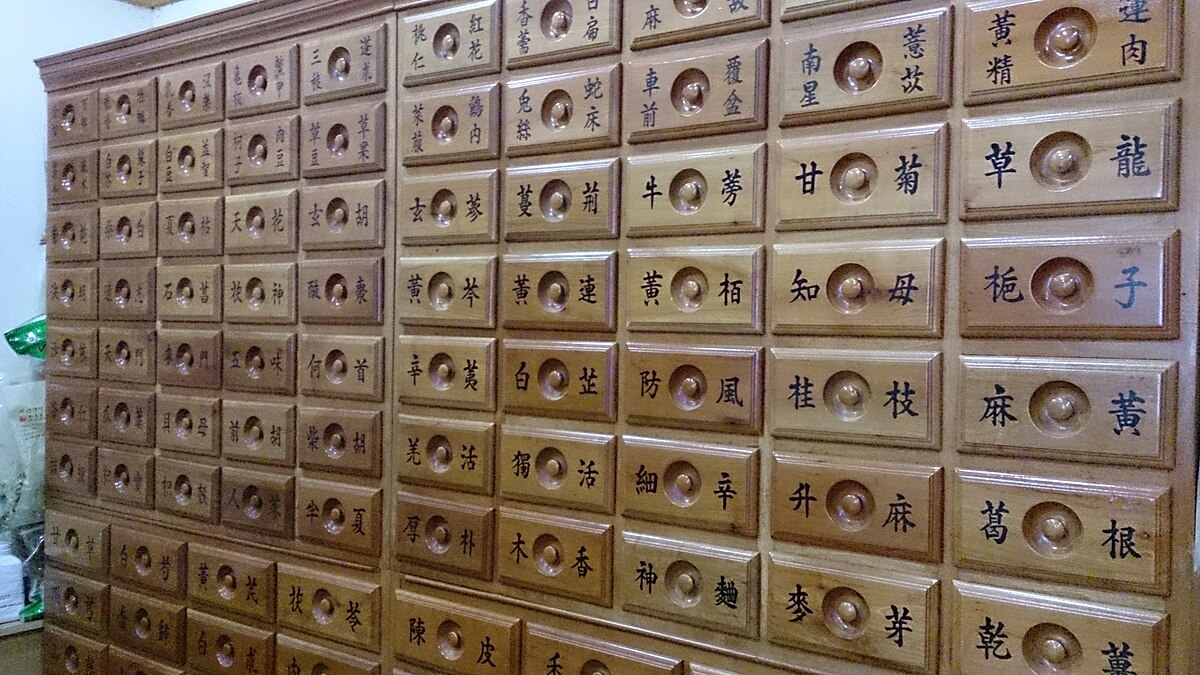
Many international patients are curious about Chinese herbal medicine in China for one simple reason: if you want to understand this part of Traditional Chinese Medicine seriously, it seems natural to access it at the source.
In practice, foreign patients can usually receive Chinese herbal medicine through hospitals, TCM hospitals, and licensed clinics without major difficulty. The real question is not whether access is possible, but how to access it safely and appropriately — in the right setting, with enough medical history shared, and clear communication about current medications and treatment goals. Herbal medicine is not just a product to buy. In clinical TCM, it is usually prescribed as part of a treatment plan based on symptoms, constitution, and medical context.
Where Foreign Patients Usually Get Herbal Medicine
Chinese herbal medicine is usually accessed through one of three settings.
TCM Hospital
A TCM hospital is often the most traditional and institutionally complete setting. Patients who want a fuller TCM-style diagnosis and a formal prescription pathway often prefer this route.
General Hospital with a TCM Department
This can be useful when the patient also has a broader medical issue and may need coordination with another hospital department.
Licensed TCM Clinic
For straightforward outpatient needs, a clinic may be enough. This can be more convenient for patients seeking practical access without a large hospital workflow.
Why the Setting Matters
Chinese herbal medicine should not be treated like a simple retail purchase, especially for international patients.
The setting matters because the practitioner needs to understand:
- The patient's main symptoms
- Current diagnosis if there is one
- Other treatment already in progress
- Current medications
- Safety concerns or interaction risks
In a better clinical setting, the prescription is more likely to reflect the full picture rather than just one symptom in isolation.
What Patients Should Prepare Before the Visit
A herbal medicine consultation often goes more smoothly when the patient can explain:
- Main symptoms or treatment goal
- How long the issue has been present
- Important medical history
- Current medications or supplements
- Whether conventional treatment is also being used
- Any allergies or prior reactions
If the case is medically complex, a short written summary can be very helpful.
Can Herbal Medicine Be Prescribed for Foreign Patients With Complex Conditions?
Sometimes yes, but caution matters much more.
This is especially true for patients who:
- Are receiving cancer treatment
- Use anticoagulants
- Take multiple prescription medications
- Have liver or kidney concerns
- Recently had surgery
In these cases, Chinese herbal medicine should not be approached casually. Interaction risk and broader medical context need to be taken seriously.
What the Prescription Process Often Looks Like
A Chinese herbal medicine visit may include:
- Registration
- Symptom and history discussion
- TCM assessment
- Prescription decision
- Herbal dispensing or pharmacy instruction
- Advice on how and when to take the medicine
- Follow-up planning if needed
The process is often more structured than many first-time patients expect.
Can Patients Just Buy Herbs Without Consultation?
In some situations, patients may be able to buy herbs or patent medicine products more casually. But for international patients who are new to Chinese herbal medicine, this is usually not the best starting point.
The safer and more useful approach is to begin with a proper consultation.
What Foreign Patients Should Pay Attention To
Patients should pay attention to:
- Whether the prescription is tailored or generic
- Whether the provider asked about medications
- Whether dosing instructions are clear
- Whether follow-up is possible if questions arise
- Whether the setting feels medically reliable
How OriEast Helps
OriEast helps international patients access Chinese herbal medicine in China through more appropriate clinical settings, with clearer communication, better preparation, and more practical coordination support.
Key Takeaways
- Foreign patients can usually access Chinese herbal medicine in China
- The right setting matters more than simple availability
- Herbal prescriptions should be based on symptoms, medical history, and current treatment context
- Complex cases require extra caution because of interaction and safety concerns
- A proper consultation is usually a better starting point than informal self-purchase
Frequently Asked Questions
Can foreigners get Chinese herbal medicine in China? Yes, usually through hospitals, TCM hospitals, or licensed clinics.
Do I need a consultation before getting herbal medicine? Usually yes, especially if you want a safer and more individualized prescription.
Can herbal medicine be used together with regular medication? Sometimes, but patients should always disclose current medications because interaction risks can matter.
Is a TCM hospital better than buying herbs directly? For most foreign patients, yes. A proper consultation is usually safer and more useful than informal self-purchase.
Do complex medical cases need more caution? Yes. Cancer treatment, anticoagulants, surgery recovery, and multi-drug use all require extra care.
Medical disclaimer: This article is for informational purposes only and does not constitute medical advice. Herbal medicine decisions should be made with a qualified practitioner who understands the patient's medical context.
