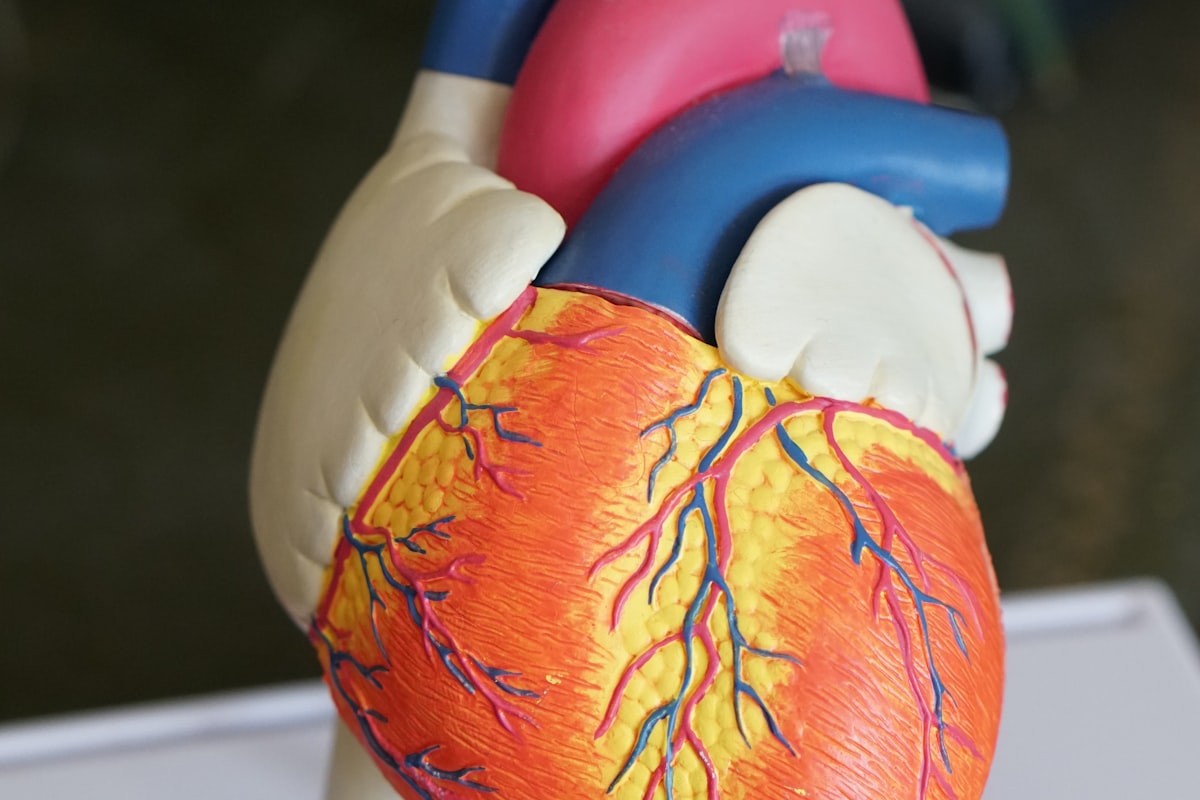
The Growing Burden of Chronic Respiratory Disease
Chronic respiratory diseases represent one of the most significant global health challenges of the 21st century. According to the Global Burden of Disease Study, more than 300 million people worldwide live with asthma, while the number of individuals affected by chronic obstructive pulmonary disease (COPD) exceeds 380 million (Lancet Respir Med, 2020;8(6):585-596). Chronic cough, defined as a cough lasting more than eight weeks, affects an estimated 10% of the adult population and remains one of the most common reasons for outpatient medical visits globally.
Conventional medicine offers powerful tools for managing these conditions. Inhaled corticosteroids (ICS), bronchodilators, and combination inhalers have transformed acute asthma care and COPD management. However, long-term reliance on these therapies comes with well-documented limitations:
- Steroid side effects: Prolonged ICS use is associated with oral candidiasis, dysphonia, adrenal suppression, osteoporosis, and increased pneumonia risk in COPD patients (PMID: 24127811).
- Incomplete symptom control: Up to 45% of asthma patients remain poorly controlled despite guideline-based therapy (PMID: 29273167).
- Disease modification gaps: Current COPD medications primarily manage symptoms but do not reverse lung function decline or address the systemic inflammatory state.
- Chronic cough resistance: Post-infectious and unexplained chronic cough frequently proves refractory to standard antitussive protocols.
These limitations have driven growing interest in complementary approaches. Traditional Chinese Medicine (TCM), with over 2,000 years of documented experience treating respiratory illness, offers a sophisticated framework for understanding and treating lung diseases. Modern clinical research is increasingly validating these approaches, and specialized respiratory TCM departments across China now treat thousands of international patients each year.
This guide examines the evidence behind TCM therapies for asthma, COPD, chronic cough, and post-COVID respiratory complications, and explains how medical travelers can access these treatments in China.
How TCM Understands Respiratory Disease
Unlike conventional medicine, which classifies respiratory diseases primarily by pathological mechanism and anatomical location, TCM uses a pattern-based diagnostic framework rooted in the concept of organ-system relationships, qi dynamics, and the interplay between the body and external pathogenic factors.
The Lung in TCM Theory
In TCM, the Lung (Fei) governs qi and respiration, controls the descending and dispersing of qi, regulates the water passages, and dominates the skin and body hair. The Lung is considered a "tender organ" (jiao zang) because it is the most externally exposed of the yin organs and therefore the most vulnerable to environmental attack.
Core Pathological Patterns
TCM practitioners identify several fundamental patterns underlying chronic respiratory disease:
Lung Qi Deficiency (Fei Qi Xu): The most common chronic pattern in asthma and COPD patients. Characterized by shortness of breath worsened by exertion, weak cough, spontaneous sweating, a weak voice, and susceptibility to colds. The tongue is typically pale with a thin white coating, and the pulse is weak, particularly at the cun (inch) position on the right wrist.
Phlegm-Damp Obstructing the Lung (Tan Shi Zu Fei): A pattern of excess marked by productive cough with copious white or clear sputum, chest oppression, wheezing, heaviness in the body, and poor appetite. Common in COPD with chronic bronchitis phenotype. The tongue is swollen with a thick, greasy white coating.
Phlegm-Heat in the Lung (Tan Re Yong Fei): An acute or subacute pattern featuring cough with yellow, thick, or foul-smelling sputum, fever, thirst, chest pain, and a rapid pulse. Frequently seen during acute exacerbations of asthma or COPD and in certain post-COVID presentations.
Kidney Not Grasping Qi (Shen Bu Na Qi): A pattern seen in advanced COPD and severe chronic asthma where the Kidney fails to "anchor" inhaled qi. Symptoms include severe dyspnea on minimal exertion, difficulty inhaling (as opposed to exhaling), cold limbs, lower back soreness, frequent urination, and exercise intolerance. Reflects the TCM understanding that the Kidney and Lung work together in respiration.
Wind-Cold Invading the Lung (Feng Han Fan Fei): An acute pattern triggered by cold exposure, presenting with chills, nasal congestion with clear discharge, itchy throat, cough with thin white sputum, and body aches. A common trigger for acute asthma episodes.
Wind-Heat Invading the Lung (Feng Re Fan Fei): An acute pattern caused by heat-type pathogenic factors, with fever, sore throat, yellow nasal discharge, dry cough or cough with sticky sputum, and thirst. Often seen at the onset of upper respiratory infections that trigger asthma exacerbations.
Yin Deficiency with Dryness (Fei Yin Xu): A pattern of chronic dryness characterized by dry nonproductive cough, scanty sticky sputum, dry throat, afternoon low-grade fever, night sweats, and a red tongue with little coating. Common in chronic dry cough and post-COVID lung presentations.
The clinical significance of pattern differentiation lies in its capacity to guide individualized treatment. Two patients with the same biomedical diagnosis of moderate persistent asthma may receive entirely different herbal prescriptions if one presents with phlegm-damp and the other with yin deficiency. This personalization is a cornerstone of TCM therapeutics.
Acupuncture for Respiratory Conditions
Mechanisms of Action
Modern research has elucidated several physiological pathways through which acupuncture affects respiratory function:
Bronchodilation: Acupuncture stimulation, particularly at lung-related points, activates the nonadrenergic noncholinergic (NANC) inhibitory nervous system, leading to release of vasoactive intestinal peptide (VIP) and nitric oxide, which relax bronchial smooth muscle (PMID: 25784672).
Anti-inflammatory effects: Acupuncture has been shown to downregulate Th2 cytokines (IL-4, IL-5, IL-13) and reduce IgE levels in asthma models. A systematic review found significant reduction in serum inflammatory markers following acupuncture treatment in COPD patients (PMID: 31456284).
Immune modulation: Acupuncture influences both innate and adaptive immunity, modulating the Th1/Th2 balance disrupted in allergic asthma. Needling at Zusanli (ST36) has been shown to activate the vagus nerve-mediated cholinergic anti-inflammatory pathway (PMID: 24642195).
Vagal tone regulation: Acupuncture at specific points modulates parasympathetic activity via the vagus nerve, influencing bronchoconstriction, mucus secretion, and airway inflammation. This mechanism is particularly relevant for cough-variant asthma (PMID: 29502759).
Mucociliary clearance: Electroacupuncture has demonstrated ability to enhance mucociliary transport, aiding sputum clearance in chronic bronchitis and COPD (PMID: 26786768).
Clinical Evidence
A landmark randomized controlled trial (RCT) published in the Annals of Internal Medicine involving 1,445 asthma patients found that acupuncture added to routine care produced clinically meaningful improvements in quality of life (Asthma Quality of Life Questionnaire) and symptom control compared to routine care alone (PMID: 28395305).
For COPD, a Cochrane-style systematic review of 12 RCTs (n = 913) concluded that acupuncture combined with conventional therapy significantly improved FEV1, 6-minute walking distance, and St. George's Respiratory Questionnaire scores compared to conventional therapy alone (PMID: 31456284).
A 2023 meta-analysis of acupuncture for chronic cough, encompassing 14 RCTs (n = 1,178), found that acupuncture significantly reduced cough frequency, cough severity scores, and Leicester Cough Questionnaire scores relative to controls, with effects persisting at 3-month follow-up (PMID: 36721873).
Key Acupoints for Respiratory Conditions
| Acupoint | Location | Primary Indications | Mechanism |
|---|---|---|---|
| Feishu (BL13) | 1.5 cun lateral to T3 spinous process | Asthma, cough, bronchitis | Back-shu point of the Lung; regulates Lung qi |
| Dingchuan (EX-B1) | 0.5 cun lateral to C7 spinous process | Acute asthma, wheezing | Extra point; strong antiasthmatic action |
| Tiantu (CV22) | Center of suprasternal fossa | Cough, throat disorders, globus | Front-mu related; descends Lung qi |
| Lieque (LU7) | 1.5 cun proximal to radial styloid | Cough, headache, neck stiffness | Luo-connecting point; opens the Lung |
| Chize (LU5) | Cubital crease, radial to biceps tendon | Cough with phlegm, asthma | He-sea point; clears Lung heat |
| Zusanli (ST36) | 3 cun below knee, 1 finger lateral to tibia | Immune support, fatigue | Boosts Wei qi; activates vagal pathway |
| Fenglong (ST40) | 8 cun above lateral malleolus | Phlegm conditions, chest oppression | Primary phlegm-resolving point |
| Shanzhong (CV17) | Midline at 4th intercostal space | Chest tightness, dyspnea | Influential point for qi; opens the chest |
| Dazhui (GV14) | Below C7 spinous process | Fever, immune regulation | Meeting point of yang channels; expels wind |
| Shenshu (BL23) | 1.5 cun lateral to L2 spinous process | Kidney-type dyspnea, chronic asthma | Back-shu of Kidney; aids qi grasping |
Treatment protocols typically involve 2-3 sessions per week during acute phases, tapering to weekly or biweekly sessions for maintenance. A standard course consists of 10-12 sessions, with many patients undergoing 2-3 courses for chronic conditions.
Chinese Herbal Medicine for Respiratory Disease
Herbal medicine is the most extensively studied modality in TCM respiratory care. Prescriptions are customized to the individual patient's pattern, but several classical formulas form the backbone of respiratory therapeutics.
Bu Fei Tang (Tonify the Lung Decoction)
Primary pattern: Lung qi deficiency
Key ingredients: Ren Shen (ginseng), Huang Qi (astragalus), Shu Di Huang (prepared rehmannia), Wu Wei Zi (schisandra), Zi Wan (aster root), Sang Bai Pi (mulberry bark)
Clinical application: Chronic stable asthma and COPD with fatigue, shortness of breath, and weak cough. A randomized trial of 120 stable COPD patients found that Bu Fei Tang combined with conventional therapy significantly improved FEV1, 6MWD, and BODE index scores compared to conventional therapy alone over 6 months (PMID: 26141078).
Su Zi Jiang Qi Tang (Perilla Seed Decoction for Directing Qi Downward)
Primary pattern: Phlegm obstructing the Lung with Kidney deficiency (upper excess, lower deficiency)
Key ingredients: Su Zi (perilla seed), Ban Xia (pinellia), Dang Gui (angelica), Hou Po (magnolia bark), Qian Hu (peucedanum), Rou Gui (cinnamon bark)
Clinical application: COPD with wheezing, copious sputum, and dyspnea worsened by exertion, combined with lower back weakness and cold limbs. Modern pharmacological studies show perilla seed contains rosmarinic acid with anti-inflammatory and anti-allergic properties (PMID: 25234529).
Ding Chuan Tang (Arrest Wheezing Decoction)
Primary pattern: Wind-cold externally, phlegm-heat internally
Key ingredients: Ma Huang (ephedra), Bai Guo (ginkgo nut), Su Zi (perilla seed), Xing Ren (apricot kernel), Huang Qin (scutellaria), Kuan Dong Hua (tussilago), Sang Bai Pi (mulberry bark), Ban Xia (pinellia), Gan Cao (licorice)
Clinical application: Acute asthma with cough, wheezing, and yellow sputum. This formula is one of the most studied TCM antiasthmatic prescriptions. A systematic review of 7 RCTs (n = 582) found Ding Chuan Tang significantly improved peak expiratory flow rate and reduced asthma symptom scores compared to controls (PMID: 29057559). Its key ingredient, ephedra, contains ephedrine and pseudoephedrine, which are well-established sympathomimetic bronchodilators.
Er Chen Tang (Two-Aged Decoction)
Primary pattern: Phlegm-damp accumulation
Key ingredients: Ban Xia (pinellia), Chen Pi (tangerine peel), Fu Ling (poria), Gan Cao (licorice)
Clinical application: The foundational phlegm-resolving formula, used as a base prescription for chronic bronchitis with copious clear or white sputum, chest congestion, and nausea. Chen Pi (aged tangerine peel) has been shown to contain nobiletin and tangeretin, polymethoxyflavones with anti-inflammatory and mucolytic properties (PMID: 27068746).
Yu Ping Feng San (Jade Windscreen Powder)
Primary pattern: Wei qi (defensive qi) deficiency with susceptibility to external pathogens
Key ingredients: Huang Qi (astragalus), Bai Zhu (atractylodes), Fang Feng (saposhnikovia)
Clinical application: Prevention of asthma and COPD exacerbations in patients who catch colds easily. This simple but powerful formula has attracted significant research attention. A multicenter RCT published in the Journal of Allergy and Clinical Immunology demonstrated that astragalus-based formulations reduced the frequency and severity of upper respiratory infections in immunocompromised patients (PMID: 27744029). A separate trial of 240 COPD patients found Yu Ping Feng San granules significantly reduced acute exacerbation frequency over 1 year (PMID: 30132384).
Emerging Herbal Research
Beyond classical formulas, single-herb and standardized extract research continues to expand:
- Astragalus (Huang Qi): A 2024 systematic review of 15 RCTs found astragalus-containing formulas significantly improved FEV1 and reduced exacerbation frequency in stable COPD (PMID: 38215862).
- Cordyceps sinensis: Clinical trials show improvement in exercise tolerance and oxygen utilization in COPD patients, potentially through mitochondrial support (PMID: 27445340).
- Dan Shen (Salvia miltiorrhiza): Demonstrated anti-fibrotic effects in pulmonary fibrosis models, with potential application for post-COVID fibrotic lung changes (PMID: 33569175).
Other TCM Modalities for Respiratory Health
Moxibustion and "Winter Disease, Summer Treatment" (Dong Bing Xia Zhi)
Moxibustion, the burning of dried mugwort (Artemisia vulgaris) on or near acupuncture points, is considered particularly important for respiratory conditions associated with cold and deficiency patterns.
The most distinctive application is the "Winter Disease, Summer Treatment" (dong bing xia zhi) program, a uniquely Chinese medical tradition based on the TCM principle that diseases that worsen in winter can be most effectively treated during the peak of summer heat (the "san fu" days, the three hottest periods of the lunar calendar, typically falling in July and August).
The treatment involves applying herbal pastes containing warming substances such as Bai Jie Zi (white mustard seed), Yan Hu Suo (corydalis), Xi Xin (asarum), and Gan Jiang (dried ginger) to back-shu points (BL13 Feishu, BL20 Pishu, BL23 Shenshu) during the san fu days. The warm nature of both the herbs and the season is believed to dispel cold-damp pathogens lodged deep in the Lung and strengthen yang qi for the coming winter.
This practice is now offered as a formal program in virtually every major TCM hospital in China. A multicenter prospective cohort study involving 2,038 asthma patients found that three consecutive years of san fu moxibustion paste treatment significantly reduced winter asthma exacerbation frequency (OR 0.49, 95% CI 0.36-0.67) and decreased rescue inhaler use (PMID: 30245889).
Cupping Therapy
Cupping, particularly along the Bladder meridian on the back, is used as adjunctive therapy for respiratory conditions. The negative pressure created by cupping is believed to promote qi and blood circulation in the lung region, loosen phlegm, and relieve bronchospasm.
A systematic review of 7 RCTs found cupping combined with conventional therapy produced modest but significant improvements in cough severity and sputum production in chronic bronchitis patients compared to conventional therapy alone (PMID: 29869527). Cupping is generally used as a supportive therapy rather than a standalone treatment.
TCM Breathing Exercises (Tu Na, Qi Gong)
Traditional Chinese breathing exercises, including Liuzijue (Six Healing Sounds), Baduanjin (Eight Brocades), and medical Tai Chi, incorporate diaphragmatic breathing, pursed-lip breathing, and coordinated movement patterns that overlap with modern pulmonary rehabilitation principles.
Liuzijue involves six specific exhalation sounds (xu, he, hu, si, chui, xi), each corresponding to a different organ system. The "si" sound specifically targets the Lung. A 2019 RCT of 120 stable COPD patients found 6 months of Liuzijue practice significantly improved FEV1, FEV1/FVC ratio, 6MWD, and SGRQ scores compared to conventional pulmonary rehabilitation alone (PMID: 30819101).
Baduanjin, a set of eight gentle movements coordinated with breathing, was shown in a 2021 meta-analysis of 16 RCTs (n = 1,205) to significantly improve lung function parameters, exercise capacity, and quality of life in COPD patients (PMID: 33857067).
Dietary Therapy (Shi Liao)
TCM dietary therapy for respiratory health follows the principle that food and medicine share the same origin (yao shi tong yuan). Key dietary recommendations include:
- Pear and lily bulb soup (Li Zhi Bai He Tang): For dry cough and yin deficiency. Pear moistens the Lung; lily bulb nourishes Lung yin.
- White fungus with lotus seed (Yin Er Lian Zi Geng): For chronic dry cough and post-illness recovery. White fungus (Tremella) contains polysaccharides with demonstrated immunomodulatory effects.
- Ginger and brown sugar tea: For wind-cold cough with clear nasal discharge.
- Loquat leaf tea (Pi Pa Ye Cha): For cough with phlegm. Loquat leaves contain amygdalin and ursolic acid with antitussive properties.
- Astragalus and jujube porridge: For qi deficiency with frequent colds. Strengthens Wei qi.
Patients are typically advised to avoid cold and raw foods, dairy products (considered phlegm-generating in TCM), and excessive sweet or greasy foods during active respiratory illness.
Condition-Specific TCM Treatment Approaches
Asthma: Acute vs. Chronic Management
Acute phase (Fa Zuo Qi): Treatment focuses on resolving the branch (biao) symptoms. Primary strategies include:
- Opening the Lung and calming wheezing
- Expelling pathogenic factors (wind-cold or wind-heat)
- Resolving phlegm
- Formulas: Ding Chuan Tang (cold-type), Ma Xing Shi Gan Tang (heat-type)
- Acupuncture: Dingchuan (EX-B1), Tiantu (CV22), Lieque (LU7) with reducing technique
Chronic stable phase (Huan Jie Qi): Treatment addresses the root (ben) deficiency:
- Tonifying Lung qi: Bu Fei Tang, Yu Ping Feng San
- Strengthening Spleen to resolve phlegm: Liu Jun Zi Tang
- Nourishing Kidney to grasp qi: Jin Gui Shen Qi Wan (for yang deficiency) or Qi Wei Du Qi Wan (for yin deficiency)
- Moxibustion at Feishu (BL13), Shenshu (BL23), Zusanli (ST36)
This biphasic approach, treating the branch during acute episodes and the root during remission, is a fundamental TCM treatment principle for asthma. The goal is to progressively reduce exacerbation frequency and severity over repeated treatment cycles.
COPD: Slowing Progression and Improving Quality of Life
COPD in TCM is understood as a disease involving multiple organ systems, primarily Lung, Spleen, and Kidney, with phlegm and blood stasis as pathological products. Treatment varies by GOLD stage:
Early-stage (GOLD I-II): Focus on Lung qi tonification and phlegm resolution. Yu Ping Feng San for exacerbation prevention. Liuzijue breathing exercises.
Moderate-stage (GOLD II-III): Combined Lung-Spleen treatment. Bu Zhong Yi Qi Tang (for Spleen qi deficiency contributing to phlegm production). Acupuncture for symptom management. Pulmonary rehabilitation with Tai Chi or Baduanjin.
Advanced-stage (GOLD III-IV): Kidney supplementation becomes essential. Su Zi Jiang Qi Tang for upper excess/lower deficiency. Cordyceps supplementation for exercise tolerance. Comprehensive integrative care.
A notable 2020 multicenter RCT (n = 352) published in COPD: Journal of Chronic Obstructive Pulmonary Disease found that TCM treatment guided by pattern differentiation, combined with standard GOLD guideline therapy, reduced acute exacerbation frequency by 32% over 1 year compared to GOLD guideline therapy alone (PMID: 32469258).
Chronic Cough: Identifying Patterns and Herbal Solutions
TCM excels in treating chronic cough that resists conventional diagnosis or treatment. Pattern identification is particularly important:
| Pattern | Cough Character | Sputum | Key Formula |
|---|---|---|---|
| Wind-cold lingering | Itchy throat, worse at night/morning | Thin, white | Zhi Sou San |
| Wind-dryness | Dry, tickling cough | Scanty or absent | Sang Xing Tang |
| Liver fire attacking Lung | Spasmodic, triggered by anger | Difficult to expectorate | Xie Bai San + Long Dan Xie Gan Tang |
| Phlegm-damp | Productive, worse after eating | Copious, white | Er Chen Tang + San Zi Yang Qin Tang |
| Lung yin deficiency | Dry cough, worse at night | Sticky, scanty | Bai He Gu Jin Tang |
| Stomach reflux (GERD-related) | Worse after meals or lying down | Sour taste | Zuo Jin Wan + Ban Xia Hou Po Tang |
A 2022 RCT of 186 chronic cough patients (cough >8 weeks, negative chest X-ray) found that individualized TCM herbal treatment achieved a clinical effective rate of 87.1% compared to 62.4% in the conventional antitussive group (PMID: 35642847).
Post-COVID Respiratory Issues
Long COVID respiratory symptoms, including persistent cough, dyspnea, fatigue, and exercise intolerance, have become a major clinical challenge. TCM has been actively deployed in China for post-COVID recovery since 2020.
The predominant TCM patterns seen in post-COVID respiratory patients are:
- Qi and yin deficiency: Fatigue, dry cough, shortness of breath, dry mouth. Formula: Sheng Mai San + Bai He Gu Jin Tang.
- Lung-Spleen qi deficiency with residual dampness: Fatigue, loose stools, residual cough with white sputum. Formula: Shen Ling Bai Zhu San.
- Blood stasis in the Lung collaterals: Chest tightness, stabbing chest pain, dark complexion. Formula: Xue Fu Zhu Yu Tang.
A prospective cohort study of 150 post-COVID patients treated with integrated TCM-conventional care at a Shanghai hospital showed significant improvement in 6MWD (mean improvement 68.4m), mMRC dyspnea scale, and DLCO compared to conventional rehabilitation alone (PMID: 35580103).
TCM vs. Conventional Treatment: Comparison
| Aspect | Conventional Medicine | Traditional Chinese Medicine | Integrative Approach |
|---|---|---|---|
| Primary goal | Symptom control, airway management | Pattern correction, constitutional strengthening | Comprehensive disease management |
| Acute bronchospasm | Rapid relief (SABA, systemic steroids) | Slower onset; supportive role | Conventional for acute; TCM for prevention |
| Long-term control | ICS, LABA, biologics | Herbal formulas, acupuncture, lifestyle | Reduced medication burden with TCM adjunct |
| Exacerbation prevention | Step-up therapy, vaccination | Yu Ping Feng San, san fu treatment | Multi-layered prevention strategy |
| Side effect profile | Steroid effects, tachycardia, osteoporosis | Generally mild (GI upset, rare allergic reaction) | Reduced steroid dose may lower side effects |
| Personalization | Guideline-based stepwise approach | Highly individualized by pattern | Best of both frameworks |
| Exercise rehabilitation | Pulmonary rehab programs | Tai Chi, Qi Gong, Liuzijue | Enhanced exercise outcomes |
| Inflammation management | Targeted (anti-IL5, anti-IgE) | Systemic anti-inflammatory modulation | Complementary pathways |
| Cost (long-term) | High (biologics: $15,000-$40,000/year) | Moderate ($2,000-$5,000/year) | Potential overall cost reduction |
| Evidence level | Strong (multiple large RCTs, guidelines) | Growing (increasing RCTs, systematic reviews) | Emerging integrative research |
The Integrative Approach: Combining TCM with Conventional Therapy
The most effective approach to chronic respiratory disease management increasingly involves thoughtful integration of TCM and conventional therapies. This is not an either-or proposition. Key principles of integration include:
Maintain essential conventional therapy: Patients should never abruptly stop inhaler medications. Controller medications (ICS/LABA) form the safety foundation while TCM works on constitutional improvement.
TCM as add-on therapy: Research consistently shows the greatest benefit when TCM modalities are added to guideline-based conventional care rather than used as replacements. The goal is to achieve better control at lower medication doses.
Stepwise integration protocol:
- Weeks 1-4: Begin acupuncture (2-3x/week) and herbal formula alongside existing medications. Establish baseline symptom scores.
- Months 2-3: If symptom control improves, discuss potential ICS dose reduction with the supervising physician. Continue TCM therapy.
- Months 4-6: Optimize herbal formula based on evolving pattern. Introduce Qi Gong or Tai Chi. Evaluate exacerbation frequency.
- Long-term: Maintenance acupuncture (biweekly to monthly), seasonal herbal adjustments, daily breathing exercises, annual san fu treatment.
Communication between practitioners: Ideal integrative care involves a TCM physician and a pulmonologist working collaboratively. Major TCM hospitals in China typically have both on staff, facilitating coordinated care.
Herb-drug interaction awareness: While most TCM respiratory formulas have favorable safety profiles, certain interactions require attention. Ma Huang (ephedra) can potentiate sympathomimetic effects of beta-agonists. Gan Cao (licorice) in large doses may affect corticosteroid metabolism. Qualified TCM practitioners manage these interactions as part of standard practice.
Respiratory TCM Treatment in China
Specialized Departments and Programs
China's major TCM hospitals maintain dedicated respiratory (Fei Bing Ke) departments staffed by physicians with dual training in TCM and conventional respiratory medicine. Leading centers include:
- Guangdong Provincial Hospital of Chinese Medicine (Guangzhou): One of the largest TCM respiratory departments in China, with a dedicated research unit for COPD and asthma integrative protocols.
- China Academy of Chinese Medical Sciences Xiyuan Hospital (Beijing): Known for its post-COVID respiratory rehabilitation program and clinical research.
- Shanghai University of TCM Longhua Hospital (Shanghai): Strong in chronic cough treatment and herbal formula development.
- Chengdu University of TCM Affiliated Hospital (Chengdu): Renowned for its san fu (winter disease summer treatment) program, treating thousands of patients annually.
The San Fu Treatment Experience
International patients specifically travel to China for the san fu program, which typically runs from early July through mid-August. A standard program includes:
- 3 herbal paste applications on the designated san fu days (initial, middle, and final fu periods), each spaced approximately 10 days apart
- Concurrent acupuncture and moxibustion sessions
- Herbal medicine tailored to the individual pattern
- Dietary and lifestyle guidance for the winter season ahead
For optimal results, practitioners recommend completing three consecutive annual cycles of san fu treatment. Many international patients plan annual medical trips to coincide with the treatment window.
What to Expect During a Treatment Course
A typical respiratory TCM treatment course for an international patient in China involves:
- Initial consultation (60-90 minutes): Comprehensive TCM assessment including pulse diagnosis, tongue examination, and detailed symptom history. Western medical records and pulmonary function tests are reviewed.
- Treatment plan development: Individualized herbal formula prescription and acupuncture protocol based on pattern differentiation.
- Active treatment phase (2-4 weeks): Daily or every-other-day acupuncture, daily herbal decoctions, Qi Gong instruction, dietary therapy.
- Reassessment: Follow-up pulmonary function testing, symptom score comparison, formula adjustment.
- Discharge plan: Take-home herbal granules (typically 2-3 months' supply), acupressure self-care instructions, dietary guidelines, and telemedicine follow-up schedule.
Cost Comparison
| Treatment Component | Cost in China (USD) | Cost in USA (USD) | Cost in Japan (USD) |
|---|---|---|---|
| Initial TCM respiratory consultation | $30 - $80 | $150 - $350 | $100 - $250 |
| Acupuncture session | $15 - $40 | $75 - $200 | $50 - $120 |
| Herbal formula (per month) | $60 - $150 | $200 - $500 | $150 - $350 |
| San fu paste treatment (3 sessions) | $50 - $120 | Not widely available | Not widely available |
| 2-week comprehensive program | $1,500 - $3,500 | $8,000 - $15,000 | $5,000 - $10,000 |
| 4-week comprehensive program | $2,500 - $5,500 | $15,000 - $28,000 | $8,000 - $18,000 |
| Pulmonary function testing | $30 - $60 | $200 - $500 | $100 - $300 |
| CT chest (if needed) | $60 - $120 | $500 - $3,000 | $200 - $600 |
Prices are approximate ranges as of 2026. Costs vary by hospital tier and city. Comprehensive programs typically include consultations, daily acupuncture, herbal medicine, and Qi Gong instruction but exclude travel and accommodation.
The cost advantage is particularly striking for patients requiring extended treatment courses or those interested in the san fu program, which is rarely available outside of China and Chinese diaspora communities.
Frequently Asked Questions
Can TCM cure asthma or COPD?
TCM does not claim to "cure" asthma or COPD in the conventional sense of eliminating the disease entirely. However, TCM treatment can significantly reduce symptom severity, decrease exacerbation frequency, improve lung function parameters, enhance quality of life, and in some cases allow reduction of conventional medication doses. For asthma, some patients, particularly children and those with mild disease, may achieve long-term remission with sustained TCM treatment. For COPD, the goal is to slow progression and maximize functional capacity.
Is it safe to take Chinese herbal medicine alongside my inhalers?
Yes, in most cases. Qualified TCM physicians are trained to prescribe herbal formulas that complement rather than conflict with conventional respiratory medications. However, it is essential that your TCM practitioner knows all medications you are taking, including inhalers, oral corticosteroids, and biologics. Certain herbs require dose adjustment or avoidance with specific medications. Never stop prescribed inhalers without consulting your pulmonologist.
How long does TCM respiratory treatment take to show results?
Timelines vary by condition and severity. Acupuncture may produce noticeable symptomatic improvement within 2-4 sessions for cough and mild wheezing. Herbal medicine typically requires 2-4 weeks for initial improvement in chronic conditions. For comprehensive COPD management and significant exacerbation reduction, 3-6 months of consistent treatment is generally needed. The san fu program requires a minimum 3-year commitment for optimal results.
What is the "winter disease, summer treatment" program and who is it suitable for?
The san fu (winter disease, summer treatment) program involves applying warming herbal pastes to specific acupoints during the hottest days of summer. It is best suited for patients with cold-type respiratory conditions: asthma worsened by cold weather, chronic bronchitis with white sputum, allergic rhinitis with clear nasal discharge, and cold-susceptible constitutions. It is less appropriate for patients with heat-type patterns (yellow sputum, fever-predominant symptoms) or those with skin sensitivities to herbal pastes.
Can children receive TCM treatment for asthma?
Yes. Pediatric respiratory conditions are one of the most common areas of TCM practice in China. Treatment is modified for children: acupuncture uses thinner needles with shorter retention times or is replaced with pediatric tuina (massage), laser acupuncture, or acupoint application (tiefu). Herbal doses are adjusted by age and weight. Several RCTs have demonstrated the efficacy and safety of TCM for childhood asthma (PMID: 30245889).
Are there any side effects of TCM respiratory treatment?
TCM treatments are generally well tolerated. Possible side effects include mild gastrointestinal discomfort from herbal medicine (typically resolves with formula adjustment), minor bruising from acupuncture, skin redness or blistering from moxibustion or san fu paste application (usually mild and self-limiting), and temporary symptom fluctuation during the early treatment period. Serious adverse events are rare when treatment is provided by qualified practitioners.
Can TCM help with post-COVID breathing problems?
Yes, TCM has been extensively used in China for post-COVID respiratory rehabilitation since 2020, and several clinical studies support its effectiveness. Treatment typically addresses qi and yin deficiency, residual dampness, and blood stasis using herbal formulas, acupuncture, and Qi Gong breathing exercises. Many major TCM hospitals in China now have dedicated post-COVID recovery programs.
How do I choose a hospital for respiratory TCM treatment in China?
Look for Grade III-A TCM hospitals (the highest tier in China's hospital classification system) with dedicated respiratory (Fei Bing Ke) departments. Key factors include the department's clinical volume, research publications, availability of international patient services (including interpreters), and whether the hospital offers integrated TCM-Western medicine respiratory care. OriEast can help match you with the most appropriate facility based on your specific condition, treatment goals, and travel preferences.
Do I need to speak Chinese to receive treatment in China?
Major TCM hospitals in Beijing, Shanghai, Guangzhou, and other first-tier cities have international patient departments with English-speaking coordinators. OriEast provides medical interpretation services and treatment coordination to ensure clear communication between you and your medical team throughout your stay.
Will my insurance cover TCM treatment in China?
Coverage varies significantly by insurance plan and country of origin. Some international health insurance plans cover TCM treatments, particularly when delivered in accredited hospital settings. Treatment at Grade III-A hospitals in China generates formal medical records and invoices that facilitate insurance reimbursement claims. Contact your insurance provider before traveling, and ask OriEast about documentation support for insurance claims.
Important Disclaimer
This article is provided for educational and informational purposes only. It does not constitute medical advice, diagnosis, or treatment recommendations. The information presented here should not be used as a substitute for professional medical consultation.
Regarding your current medications: Never discontinue, reduce, or modify prescribed respiratory medications (including inhalers, oral corticosteroids, or biologics) without direct guidance from your prescribing physician. Abrupt discontinuation of controller medications can lead to serious, potentially life-threatening exacerbations.
Regarding TCM treatment: While the clinical evidence cited in this article demonstrates promising results for TCM in respiratory care, outcomes vary between individuals. TCM treatment should be provided by licensed, qualified practitioners. Herbal medicines are pharmacologically active substances that can interact with conventional medications and may be contraindicated in certain conditions.
Regarding medical travel: International patients should ensure they have comprehensive travel insurance, carry complete medical records, and maintain communication with their home-country physicians throughout treatment abroad.
The clinical studies referenced in this article are cited for informational purposes. Inclusion of a study does not imply endorsement of its conclusions, and the evidence base for TCM continues to evolve. Always consult qualified healthcare professionals for personalized medical advice.
OriEast facilitates connections between international patients and accredited medical institutions in China. We do not provide medical advice or treatment directly. All medical decisions should be made in consultation with qualified healthcare providers.