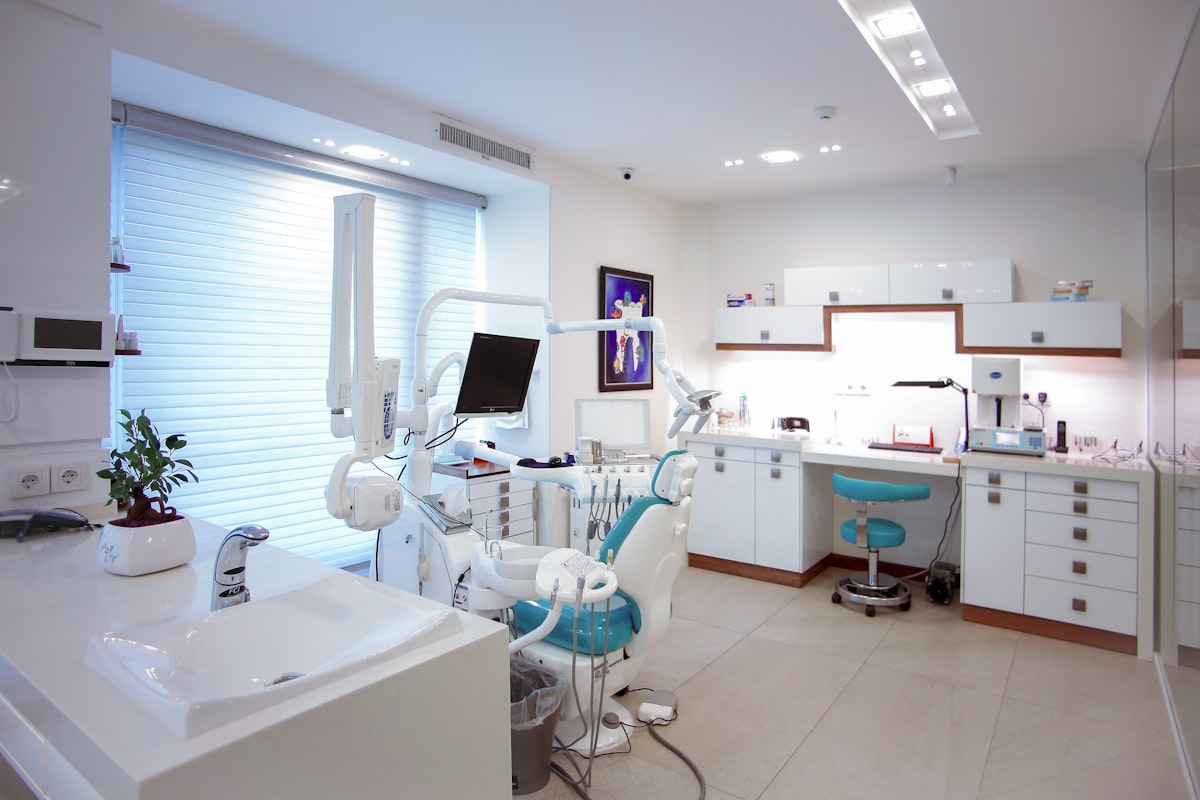
Introduction: Why Dental Tourism Is Booming in 2026
Dental care remains one of the largest out-of-pocket healthcare expenses in the developed world. In the United States, a single dental implant can cost between $3,000 and $6,000, while a full mouth restoration can easily exceed $50,000. With dental insurance coverage often capped at $1,000 to $2,000 per year, millions of patients find themselves priced out of necessary treatments at home. The result is a rapidly growing global dental tourism industry that shows no signs of slowing down.
According to data from Patients Beyond Borders, the global dental tourism market was valued at over $5.6 billion in 2024 and is projected to grow at a compound annual rate of 12.8% through 2030. An estimated 900,000 Americans alone traveled abroad for dental care in 2025, joining patients from the UK, Australia, Canada, and Japan who are increasingly looking overseas for affordable, high-quality treatment. The math is compelling: even after accounting for flights, hotels, and meals, patients routinely save 50% to 80% compared to domestic prices.
But cost is only part of the story. Today's dental tourists are not simply bargain hunters. They are informed consumers seeking the intersection of advanced technology, internationally accredited facilities, experienced practitioners, and transparent pricing. Countries that once attracted patients on price alone now compete on digital scanning, CAD/CAM same-day restorations, robotic implant placement, and comprehensive aftercare programs. The landscape has matured considerably, and the best destinations offer clinical outcomes that meet or exceed those in the patient's home country.
This guide provides an evidence-based, country-by-country comparison of the six most popular dental tourism destinations in 2026: China, Mexico, Turkey, Thailand, Hungary, and Costa Rica. We examine costs, quality indicators, safety records, logistics, and patient experience to help you make an informed decision about where to get dental work abroad.
How to Evaluate a Dental Tourism Destination
Before comparing individual countries, it is essential to understand the criteria that separate a good dental tourism destination from a risky one. Price should never be the sole deciding factor. Here are the five pillars of evaluation that experienced dental tourists and industry analysts use.
1. Clinical Quality and Accreditation
The most reliable proxy for clinical quality is international accreditation. Joint Commission International (JCI) accreditation is the gold standard, requiring hospitals and clinics to meet over 1,400 patient safety and quality benchmarks. ISO certification (particularly ISO 9001 for quality management) is another important marker. Beyond institutional accreditation, look for dentists who hold credentials from recognized international bodies, have completed postgraduate training in their specialty, and can demonstrate continuing education.
2. Cost Transparency
Reputable dental tourism destinations offer itemized, upfront pricing that includes consultations, diagnostics (X-rays, CT scans), the procedure itself, materials used (brand of implant, type of ceramic), laboratory fees, follow-up appointments, and any necessary medication. Be cautious of destinations or clinics that provide vague estimates or bundle everything into a single opaque fee. The best clinics will provide a detailed treatment plan after reviewing your dental records remotely, before you commit to travel.
3. Patient Safety and Regulatory Environment
A country's regulatory environment matters. Consider whether the government actively oversees dental practice standards, whether adverse event reporting is mandatory, and whether there are clear legal pathways for patients in the event of malpractice. Countries with mature healthcare regulatory frameworks provide stronger protections for international patients. Infection control standards, sterilization protocols, and the use of FDA-cleared or CE-marked materials are non-negotiable.
4. Travel Logistics and Accessibility
Practical factors significantly impact the overall dental tourism experience. Direct flight availability, visa requirements, average travel time, and local transportation infrastructure all play a role. Some dental procedures require multiple visits over several weeks (particularly implant placement, which involves a healing period before the final crown is placed). Consider whether you can realistically manage the travel schedule required for your specific treatment plan.
5. Language and Communication
Clear communication with your dental team is critical for both safety and satisfaction. English-speaking staff, bilingual treatment coordinators, and the availability of translated medical documents reduce the risk of misunderstandings. Some destinations have developed robust international patient departments specifically to address the language and cultural needs of foreign visitors.
Country-by-Country Comparison
China: Advanced Technology Meets Aggressive Pricing
China has emerged as one of the most compelling dental tourism destinations in the world, driven by massive investment in healthcare infrastructure, cutting-edge dental technology, and costs that consistently undercut most competitors. The country's dental sector has undergone a transformation over the past decade, with major cities like Shanghai, Beijing, Shenzhen, and Chengdu now home to world-class dental hospitals that rival or exceed facilities in Europe and North America.
Strengths:
- Technology leadership. China is at the forefront of digital dentistry. Many top-tier dental hospitals use intraoral 3D scanners, cone-beam computed tomography (CBCT), CAD/CAM milling for same-day crowns and veneers, and AI-assisted treatment planning. Robotic dental implant systems, pioneered by Chinese research institutions, are increasingly available at leading facilities, offering sub-millimeter placement accuracy that surpasses manual methods.
- JCI and ISO accreditation. China has more JCI-accredited hospitals than any other country in Asia. Major dental departments within these hospitals operate under the same accreditation umbrella, ensuring consistent quality management, infection control, and patient safety protocols.
- Scale and specialization. Chinese dental hospitals are often large, multi-department facilities with specialists in implantology, prosthodontics, orthodontics, and oral surgery working under one roof. This integrated model allows for complex, multi-disciplinary treatment plans to be executed efficiently during a single trip.
- Material quality. Top Chinese dental clinics offer the same premium implant brands used globally, including Straumann (Switzerland), Nobel Biocare (Sweden/USA), and Osstem (South Korea), alongside high-quality domestic alternatives that have received NMPA (National Medical Products Administration) approval.
- Combined medical and cultural tourism. China offers an unparalleled opportunity to combine dental treatment with cultural exploration. From the Great Wall and Forbidden City in Beijing to the futuristic skyline of Shanghai, patients can turn a medical trip into a memorable travel experience.
Typical Costs (2026 estimates):
| Procedure | Price Range (USD) |
|---|---|
| Single dental implant (including crown) | $800 - $1,500 |
| Porcelain crown | $200 - $400 |
| Porcelain veneer (per tooth) | $300 - $500 |
| All-on-4 full arch | $5,000 - $9,000 |
| Root canal treatment | $150 - $300 |
| Teeth whitening (professional) | $150 - $300 |
| Dental bone graft | $300 - $600 |
| Full set of zirconia crowns (upper + lower) | $4,000 - $8,000 |
Considerations: While first-tier cities have well-developed international patient services with English-speaking coordinators, language can be a barrier at smaller or less internationally oriented clinics. Working with a medical tourism facilitator, such as OriEast, can solve this issue entirely, providing end-to-end support from treatment planning to travel logistics. China's 144-hour transit visa exemption policy also makes short medical trips logistically convenient for citizens of many countries.
Mexico: Proximity Advantage for North Americans
Mexico has long been the default dental tourism destination for Americans and Canadians, largely due to geographic proximity. Border cities like Tijuana, Los Algodones, and Ciudad Juarez have entire districts built around serving international dental patients. The country offers solid value, experienced dentists (many trained in the US), and the convenience of a short drive or flight from most US cities.
Strengths:
- Geographic proximity to the United States and Canada, with some clinics reachable by car.
- Large number of dentists with US or Canadian training and credentials.
- Well-established dental tourism infrastructure in border towns, with English widely spoken in tourist-facing clinics.
- Growing number of modern facilities with digital equipment.
Typical Costs (2026 estimates):
| Procedure | Price Range (USD) |
|---|---|
| Single dental implant (including crown) | $900 - $1,800 |
| Porcelain crown | $250 - $500 |
| Porcelain veneer (per tooth) | $350 - $550 |
| All-on-4 full arch | $7,000 - $12,000 |
| Root canal treatment | $200 - $400 |
Drawbacks:
- Quality is highly variable. The sheer volume of dental clinics in border towns means the range from excellent to substandard is wide. Due diligence is essential.
- Fewer JCI-accredited dental facilities compared to Asian competitors. Most dental tourism in Mexico occurs in standalone clinics rather than accredited hospital settings.
- Safety concerns in certain border regions can deter some travelers, particularly those unfamiliar with the area.
- Technology adoption lags behind leading Chinese and Turkish facilities, though top-tier clinics in Mexico City and Guadalajara are exceptions.
- Limited options for combining dental care with advanced medical procedures under one roof.
Turkey: The European Alternative
Turkey has positioned itself as a dental tourism powerhouse, particularly for patients from Europe, the Middle East, and increasingly from the UK. Istanbul, Antalya, and Izmir host hundreds of dental clinics marketing aggressively to international patients. The country benefits from a favorable exchange rate, skilled practitioners, and a well-developed tourism industry that makes combining dental work with a holiday appealing.
Strengths:
- Competitive pricing, often the lowest in Europe.
- Strong marketing infrastructure with polished international patient services.
- Many dentists trained in European universities.
- Istanbul and Antalya are popular tourist destinations with excellent hospitality infrastructure.
- Growing number of clinics offering all-inclusive dental tourism packages.
Typical Costs (2026 estimates):
| Procedure | Price Range (USD) |
|---|---|
| Single dental implant (including crown) | $500 - $1,200 |
| Porcelain crown | $150 - $350 |
| Porcelain veneer (per tooth) | $250 - $450 |
| All-on-4 full arch | $4,500 - $9,000 |
| Root canal treatment | $100 - $250 |
Drawbacks:
- The aggressive marketing culture has led to well-documented cases of over-treatment, particularly in cosmetic dentistry. Reports of clinics recommending unnecessary veneer preparations (shaving down healthy teeth) are a recurring concern raised by dental professionals in the UK and Europe.
- Quality control is inconsistent. The rapid proliferation of dental tourism clinics has outpaced regulatory oversight in some areas.
- While headline prices are low, some clinics use bait-and-switch tactics, quoting low prices for budget materials and upselling premium options upon arrival.
- Long travel distance for patients from the Americas or East Asia.
- Post-treatment follow-up can be challenging given the distance, and warranty claims have been reported as difficult to enforce.
Thailand: The Established Asian Hub
Thailand has been a pioneer in medical and dental tourism for over two decades. Bangkok, Phuket, and Chiang Mai are well-known destinations with international hospitals that cater specifically to foreign patients. The country's reputation for hospitality, combined with its tourism appeal, makes it a popular choice for patients who want to combine dental work with a tropical holiday.
Strengths:
- Mature dental tourism industry with decades of experience serving international patients.
- Several JCI-accredited hospitals with dedicated dental centers, including Bumrungrad International Hospital in Bangkok.
- High standard of patient care and hospitality, often described as a "five-star" healthcare experience.
- English widely spoken in international-facing medical facilities.
- Excellent tourism infrastructure.
Typical Costs (2026 estimates):
| Procedure | Price Range (USD) |
|---|---|
| Single dental implant (including crown) | $1,000 - $2,500 |
| Porcelain crown | $300 - $600 |
| Porcelain veneer (per tooth) | $350 - $600 |
| All-on-4 full arch | $8,000 - $14,000 |
| Root canal treatment | $200 - $400 |
Drawbacks:
- Thailand is among the more expensive dental tourism destinations, particularly at internationally accredited hospitals. The price advantage over the US or Australia, while still significant, is narrower than in China, Turkey, or Mexico.
- The highest-quality facilities are concentrated in Bangkok. Clinics in popular tourist areas like Phuket may not offer the same level of expertise for complex procedures.
- Long travel distance from North America and Europe increases overall trip cost and time commitment.
- The tropical climate and food culture, while appealing, can occasionally pose post-procedure recovery challenges for some patients.
Hungary: Europe's Dental Capital
Hungary, and Budapest in particular, has been called the "dental capital of Europe." The country has a long tradition of dental education and a high density of dental professionals per capita. For European patients, Budapest offers the combination of EU regulatory standards, short travel distances, and significantly lower costs than Western Europe.
Strengths:
- Operates within the European Union regulatory framework, providing a familiar legal and quality environment for European patients.
- World-renowned dental education system, with Semmelweis University consistently ranked among Europe's top dental schools.
- Budapest is a beautiful, accessible European capital with excellent tourism appeal.
- Short, inexpensive flights from most European cities.
- Many clinics offer airport transfers, accommodation packages, and multilingual staff.
Typical Costs (2026 estimates):
| Procedure | Price Range (USD) |
|---|---|
| Single dental implant (including crown) | $800 - $1,600 |
| Porcelain crown | $250 - $500 |
| Porcelain veneer (per tooth) | $350 - $550 |
| All-on-4 full arch | $6,000 - $11,000 |
| Root canal treatment | $150 - $300 |
Drawbacks:
- Pricing advantage is strongest for Western Europeans. For patients from North America, Asia, or Oceania, the cost of transatlantic flights can erode savings.
- Not all clinics are created equal. The dental tourism boom has led to a proliferation of clinics with varying standards, and some have been criticized for prioritizing volume over quality.
- Hungary does not benefit from the same level of advanced dental technology adoption seen in leading Chinese facilities, particularly in areas like robotic implantology and AI-assisted planning.
- Limited appeal as a travel destination compared to countries with warmer climates or more diverse cultural attractions.
- Communication can be challenging at smaller clinics where English proficiency varies.
Costa Rica: The Americas' Boutique Option
Costa Rica has carved out a niche as a quality-focused dental tourism destination for North American patients. San Jose and its surrounding areas host a number of well-regarded dental clinics, many staffed by dentists who trained in the United States. The country's reputation for political stability, natural beauty, and a welcoming attitude toward foreign visitors makes it an attractive option.
Strengths:
- Short flights from most US cities (2-5 hours), with no jet lag for North American patients.
- Many dentists are US-trained or hold US board certifications.
- Strong reputation for quality and patient care in a smaller, more personal clinical setting.
- Stable political environment and a well-developed tourism economy.
- Beautiful natural environment for recovery and relaxation.
Typical Costs (2026 estimates):
| Procedure | Price Range (USD) |
|---|---|
| Single dental implant (including crown) | $900 - $1,500 |
| Porcelain crown | $300 - $500 |
| Porcelain veneer (per tooth) | $350 - $550 |
| All-on-4 full arch | $8,000 - $12,000 |
| Root canal treatment | $250 - $400 |
Drawbacks:
- Smaller market with fewer clinics to choose from, which can mean longer wait times for appointments.
- Limited options for complex, multi-specialty dental work. Patients needing extensive treatments may find fewer large-scale facilities compared to China or Thailand.
- Costs are higher than Mexico, Turkey, and China for comparable procedures.
- Fewer internationally accredited facilities.
- Not a practical option for patients from Europe, Asia, or Oceania due to travel distance and cost.
Comprehensive Cost Comparison Table
The following table provides a side-by-side comparison of average dental procedure costs across all six countries, with US prices included as a benchmark. All figures are in USD and represent mid-range estimates at reputable, internationally oriented clinics as of 2026.
| Procedure | USA | China | Mexico | Turkey | Thailand | Hungary | Costa Rica |
|---|---|---|---|---|---|---|---|
| Single implant + crown | $3,000 - $6,000 | $800 - $1,500 | $900 - $1,800 | $500 - $1,200 | $1,000 - $2,500 | $800 - $1,600 | $900 - $1,500 |
| Porcelain crown | $800 - $1,500 | $200 - $400 | $250 - $500 | $150 - $350 | $300 - $600 | $250 - $500 | $300 - $500 |
| Porcelain veneer | $900 - $2,000 | $300 - $500 | $350 - $550 | $250 - $450 | $350 - $600 | $350 - $550 | $350 - $550 |
| All-on-4 full arch | $20,000 - $35,000 | $5,000 - $9,000 | $7,000 - $12,000 | $4,500 - $9,000 | $8,000 - $14,000 | $6,000 - $11,000 | $8,000 - $12,000 |
| Root canal | $700 - $1,200 | $150 - $300 | $200 - $400 | $100 - $250 | $200 - $400 | $150 - $300 | $250 - $400 |
| Teeth whitening | $400 - $800 | $150 - $300 | $200 - $350 | $150 - $300 | $250 - $400 | $200 - $350 | $200 - $350 |
Key takeaway: China and Turkey offer the most competitive pricing across nearly all procedure categories. However, when factoring in technology, accreditation, and overall value (including the tourism experience), China consistently delivers the strongest combination of low cost and high quality.
How to Choose: A Decision Framework
Choosing the right country for dental work abroad depends on your individual priorities. Use the following framework to narrow down your options.
Step 1: Define Your Treatment Needs
Start by understanding the complexity of your dental work. Simple procedures like crowns, veneers, or basic fillings can be done competently in most destinations. Complex procedures like full-mouth restorations, multiple implants, bone grafting, or sinus lifts require advanced facilities, multi-specialty teams, and extended treatment timelines. For complex work, prioritize countries with large, accredited dental hospitals over small standalone clinics.
Step 2: Set Your Budget (Including Travel)
Calculate the total cost of your dental trip, not just the procedure price. Include round-trip flights, accommodation (factor in the length of stay required for your treatment plan), meals, local transportation, travel insurance, and a contingency fund for unexpected costs. A country with slightly higher dental prices but cheaper flights may end up being more affordable overall.
Step 3: Assess Your Risk Tolerance
Consider how important regulatory oversight and legal protections are to you. If you prioritize operating within a familiar legal framework, Hungary (EU regulations) or Costa Rica (strong ties to US dental standards) may appeal. If you are comfortable with a different regulatory environment but want the assurance of international accreditation, China's JCI-accredited hospitals offer robust protections.
Step 4: Consider the Travel Experience
For many dental tourists, the trip is also a vacation. If cultural exploration, cuisine, and sightseeing matter to you, China and Thailand offer the richest experiences. If you prefer minimal travel disruption, Mexico and Costa Rica are the most convenient options for North Americans. European patients will find Hungary the easiest logistically.
Step 5: Evaluate Communication and Support
If language barriers concern you, look for destinations with strong international patient infrastructure. China's top dental tourism hospitals have dedicated English-speaking coordinators, and working with a facilitator like OriEast eliminates communication barriers entirely. Mexico and Costa Rica also offer strong English support. Turkey and Hungary have improving but less consistent English proficiency outside of top clinics.
Quick-Reference Decision Guide
| Your Priority | Best Choice | Runner-Up |
|---|---|---|
| Lowest overall cost | China | Turkey |
| Most advanced technology | China | Thailand |
| Closest to North America | Mexico | Costa Rica |
| Closest to Europe | Hungary | Turkey |
| Best combined vacation | China | Thailand |
| Most complex dental work | China | Hungary |
| US-trained dentists | Costa Rica | Mexico |
| Strongest accreditation | China (JCI) | Thailand (JCI) |
Why China Is Emerging as a Top Choice for Dental Tourism
While each country on this list has legitimate strengths, China stands out as the destination where the most factors align favorably for the broadest range of dental tourists. Here is why the country is gaining rapid momentum in the dental tourism space.
Unmatched Technology Adoption
China's investment in dental technology is unparalleled. The country is home to some of the world's first commercially deployed robotic dental implant systems, which use AI-guided navigation to place implants with sub-millimeter precision. Digital workflows, from intraoral scanning to CAD/CAM milling to 3D-printed surgical guides, are standard at top-tier facilities, not premium add-ons. This technology translates directly into better clinical outcomes: more accurate implant placement, better-fitting restorations, faster healing, and fewer complications.
Hospital-Grade Dental Care
Unlike many dental tourism destinations where treatment occurs in standalone clinics, China's leading dental facilities are often departments within large, JCI-accredited hospitals. This means patients have immediate access to emergency medical services, anesthesiologists, advanced imaging, and specialists in adjacent fields (oral and maxillofacial surgery, ENT, etc.) if needed. For patients undergoing complex or extensive dental work, this hospital-grade environment provides a significant safety advantage.
Transparent, Competitive Pricing
China's dental prices are not artificially low due to compromised materials or undertrained practitioners. They reflect the country's lower cost of living, government investment in healthcare infrastructure, and the sheer scale of its dental industry. Premium imported implant systems (Straumann, Nobel Biocare) are available at prices that are 60% to 80% lower than in the US, not because the implants themselves are cheaper, but because the associated clinical costs (surgeon fees, facility fees, laboratory costs) are dramatically lower.
A Complete Travel Experience
China offers something that few other dental tourism destinations can match: a travel experience that is genuinely world-class in its own right. Whether you are exploring Beijing's imperial palaces, walking along the Shanghai Bund, cycling through the rice terraces of Guilin, or sampling Sichuan cuisine in Chengdu, your dental trip becomes a cultural adventure. China's high-speed rail network makes it easy to combine treatment in one city with tourism in another, and the 144-hour visa-free transit policy simplifies entry for citizens of over 50 countries.
Dedicated International Patient Services
Recognizing the growing demand from international patients, China's leading dental hospitals have invested heavily in international patient departments. These provide English-speaking coordinators, translated medical documents, assistance with appointment scheduling, and support with travel logistics. Platforms like OriEast take this a step further, offering end-to-end concierge services that handle everything from initial consultation and treatment planning to flight booking, hotel arrangements, airport transfers, and in-person interpretation during appointments.
Growing Track Record
China treated an estimated 1.2 million international medical tourists in 2025, with dental procedures ranking among the top five most sought-after treatments. Patient satisfaction data from JCI-accredited facilities consistently shows outcomes comparable to those at leading institutions in the US, Germany, and Japan. As more patients share their positive experiences online, China's reputation as a dental tourism destination continues to build.
Frequently Asked Questions
Is dental work abroad safe?
Dental work abroad can be very safe when you choose an accredited facility with qualified practitioners. The key is due diligence: verify the clinic's accreditation (JCI, ISO), check the dentist's credentials and training, read independent patient reviews, and confirm that the clinic uses internationally recognized implant and material brands. Working with a reputable medical tourism facilitator adds another layer of safety by vetting providers on your behalf.
How much can I save on dental implants by going abroad?
Savings vary by destination and procedure, but most dental tourists save between 50% and 80% compared to US prices. For a single dental implant with crown, you might pay $3,000 to $6,000 in the US versus $800 to $1,500 in China. For extensive work like All-on-4, the savings can be $15,000 to $25,000 or more. Even after factoring in travel costs, the net savings are substantial for most procedures.
How long do I need to stay abroad for dental implants?
The timeline depends on your specific treatment plan. For implants, the traditional approach requires two trips: one for implant placement (3-5 days) and a return visit 3-6 months later for the permanent crown after the implant has integrated with the bone. Some clinics offer immediate-load implants where a temporary crown is placed on the same day, requiring only one extended visit of 5-7 days. Simpler procedures like crowns and veneers can often be completed in 3-5 days.
What happens if something goes wrong after I return home?
Reputable dental tourism clinics offer warranties on their work, typically ranging from 2 to 10 years depending on the procedure. In the event of a complication, the clinic will usually cover the cost of corrective treatment. Some offer to reimburse reasonable local treatment costs if returning to the original clinic is impractical. Before committing to treatment, always clarify the clinic's warranty terms and aftercare policy in writing. Working with a facilitator like OriEast provides an additional layer of recourse and advocacy.
Are dental materials used abroad the same quality as in the US?
At reputable clinics, yes. Leading dental tourism facilities in China, Thailand, Hungary, and other top destinations use the same premium implant systems (Straumann, Nobel Biocare, Osstem) and ceramic materials (e.max, zirconia) used by top dentists in the US and Europe. Always ask your clinic to specify the exact brand and model of implant or material being used, and verify that it carries FDA clearance, CE marking, or equivalent regulatory approval.
Do I need a referral or dental records to get treatment abroad?
A formal referral is not required, but providing your existing dental records, including recent X-rays or panoramic radiographs, is highly recommended. Most dental tourism clinics offer free remote consultations where they review your records and provide a preliminary treatment plan and cost estimate before you commit to travel. This allows you to make an informed decision and arrive with a clear plan in place.
Can I combine dental work with other medical procedures in China?
Yes, and this is one of China's unique advantages. Because dental care is often provided within large, multi-specialty hospitals, patients can coordinate dental treatment with other medical services such as health checkups, ophthalmology, dermatology, or traditional Chinese medicine. This integrated approach is particularly valuable for patients who want to address multiple health needs in a single trip.
Is the language barrier a problem in China?
At top-tier dental hospitals in major Chinese cities, dedicated international patient departments employ English-speaking coordinators who accompany patients throughout the treatment process. Additionally, medical tourism facilitators like OriEast provide professional medical interpreters and handle all communication between patients and their dental team. Many Chinese dentists at internationally oriented hospitals also speak conversational English, having trained or attended conferences abroad. While the language barrier is a valid concern, it is a solved problem at the facilities most dental tourists will visit.
How do I verify a clinic's credentials before traveling?
Start by checking JCI accreditation status on the Joint Commission International website. Verify the dentist's credentials through the relevant national medical board. Look for independent reviews on Google, Trustpilot, and dental tourism forums. Ask the clinic for before-and-after photos of previous patients, and request references you can contact directly. A reputable medical tourism facilitator will have already completed this vetting process for their partner clinics.
What about dental tourism insurance?
Several insurance companies now offer specific dental tourism coverage, or you can purchase comprehensive travel medical insurance that includes dental complications. Some dental tourism facilitators include basic treatment guarantees as part of their service package. It is strongly recommended to have some form of coverage in place before traveling, even if you are visiting a top-rated facility.
Making Your Decision
Dental tourism in 2026 offers more options, better quality, and greater value than at any point in history. Each of the six countries profiled in this guide has genuine strengths and a track record of serving international dental patients successfully. Your optimal choice depends on your geographic location, treatment complexity, budget, and personal travel preferences.
For patients seeking the best overall combination of advanced technology, comprehensive hospital-grade care, competitive pricing, and a rich travel experience, China represents an increasingly compelling choice. The country's continued investment in healthcare infrastructure, international accreditation, and patient services has transformed it from an emerging option into a leading dental tourism destination.
Whatever destination you choose, the principles of informed decision-making remain the same: verify credentials, demand transparency, understand your treatment plan fully, and work with trusted partners who prioritize your safety and satisfaction above all else.
Considering dental treatment in China? Contact OriEast for a free consultation and personalized treatment plan from our network of JCI-accredited dental hospitals.
Medical Disclaimer: This article is provided for informational and educational purposes only and does not constitute medical advice, diagnosis, or treatment recommendations. The cost estimates, statistics, and clinical information presented are based on publicly available data and industry reports as of the publication date and may not reflect current pricing or conditions at any specific facility. Dental treatment outcomes vary based on individual health conditions, the specific procedures performed, and the skill of the treating practitioner. Always consult with a qualified dental professional regarding your specific dental health needs before making treatment decisions. OriEast facilitates connections between patients and accredited healthcare providers but does not provide dental treatment directly. Patients are responsible for conducting their own due diligence when selecting a dental care provider, whether domestic or abroad.